
Can we ever truly talk about prison safety without acknowledging that our systems are designed like a pressure cooker with the lid welded shut? When the infrastructure holding thousands of human beings is stretched to four times its capacity, you don’t need a complex sociological theory to predict an explosion; you just need to look at the math.
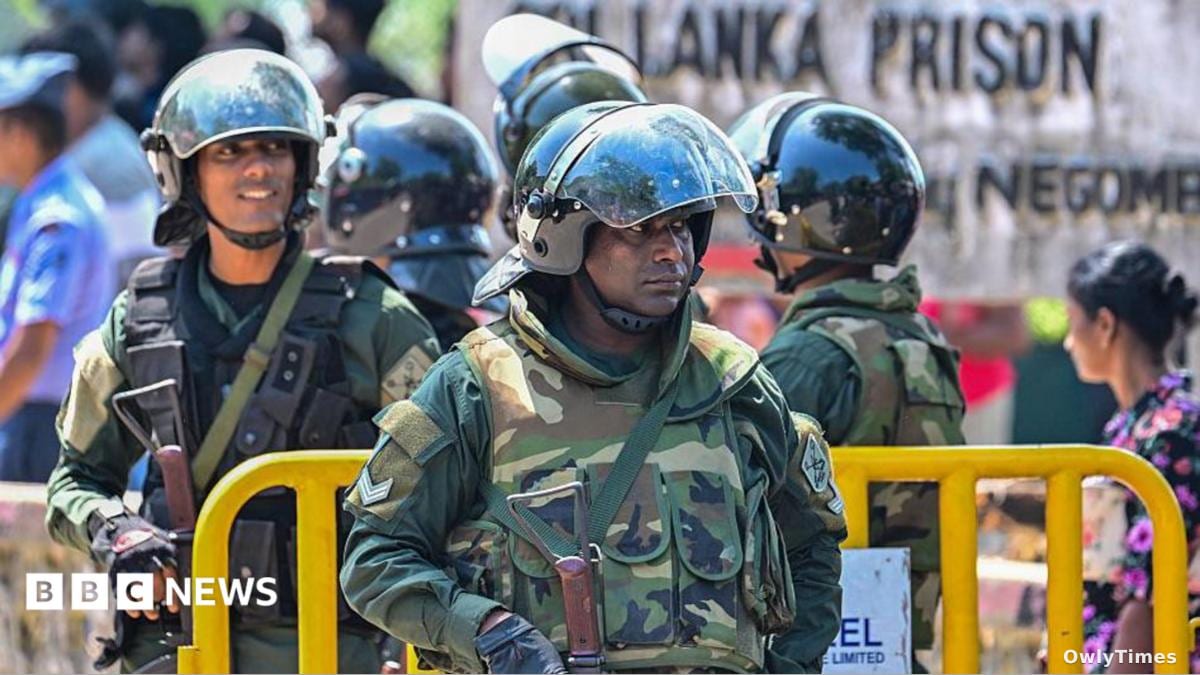
The real story here isn’t just the tragedy at Negombo Prison—it’s the systemic failure of a carceral system that has become a tinderbox. According to The Guardian, the death toll from the two-day riot has reached 26, including seven guards. This figure is corroborated by the BBC, though early reports from outlets like Euronews and the Associated Press via ABC News initially placed the numbers lower at 19 and 25, respectively. Such discrepancies in real-time reporting are common in chaotic situations, but the consensus on the casualty count—over 100 injured—remains consistent across all accounts.
The violence, which began Sunday and escalated through Monday, was reportedly triggered by a dispute over an inmate acting as an informant regarding a drug trafficking operation, as noted by the BBC. What started as a clash between rival gangs quickly spiraled into a broader security crisis. The Guardian reports that prisoners managed to seize guards' weapons, a detail that explains why hospital director Pushpa Gamlath reported treating victims for both severe bruises and gunshot wounds.
The human cost is exacerbated by the sheer density of these facilities. The Independent and ABC News highlight a stark reality: Sri Lankan prisons are holding upwards of 39,000 to 41,250 inmates in facilities with a total capacity of roughly 10,000. For the ordinary citizen, this is the equivalent of trying to pack four families into a studio apartment and then acting surprised when the plumbing—and the occupants—reach a breaking point. As noted by Euronews, this is the deadliest such incident in over five years, recalling the grim precedent of the 2020 COVID-19 era riots that killed 11.
While the immediate chaos may be subsiding, the government’s response is already moving toward bureaucratic containment. Justice Minister Harshana Nanayakkara has announced that a three-member team, headed by a retired supreme court justice, will investigate the incident, per The Guardian. Meanwhile, families remain in the dark; the BBC reports that relatives gathered outside the prison gates on Monday, desperate for information on whether their loved ones were among the dead or the wounded.
The next concrete signal to watch is the release of the findings from the government-appointed investigative team, which will determine if this riot acts as a catalyst for systemic prison reform or is merely filed away as a tragic, inevitable byproduct of a broken system.