
Is the digital age supposed to bring us closer together, or just provide a faster, more efficient way to broadcast our deepest prejudices? While we often talk about technology as a bridge, the real story here isn't the efficiency of social media-fueled mobilization — it’s the way economic anxiety is being weaponized to dismantle the physical safety of migrant communities in South Africa.
According to Al Jazeera, the Nigerian government has officially put South African authorities on notice, warning that "all options remain on the table" if the ongoing xenophobic violence against its citizens is not addressed. This diplomatic escalation follows the deaths of two Nigerian nationals, Musa Yunana Joe and Charles Iroegbu, on June 28. While The Independent clarifies that Iroegbu died following "gruesome interrogation techniques" by the Tshwane Metro police, the South African government maintains that Joe’s death in the city of eMalahleni was unrelated to the broader anti-immigrant protests.
The disconnect between official narratives is stark. ABC News notes that the South African police did not immediately respond to requests for comment regarding the specifics of these deaths, though the South African foreign ministry spokesperson, Chrispin Phiri, has since requested that Nigeria submit "actionable information" to aid in an investigation. This friction mirrors a wider diplomatic breakdown; Al Jazeera reports that Mozambique and South Africa are currently disputing the death toll of Mozambican citizens, with the former claiming five deaths and the latter insisting the number is only two.
Behind the diplomatic cables and death tolls lies a reality that feels uncomfortably familiar to anyone who has watched how online echo chambers translate into real-world chaos. Protesters are leveraging digital platforms to coordinate marches and enforce unofficial deadlines for foreigners to exit the country, a movement The Independent reports is being partially whipped up by politicians eager to exploit economic grievances ahead of upcoming municipal elections. It is a classic Silicon Valley-style disruption model applied to social cohesion: create a clear "other," blame them for structural failures like a 38 percent unemployment rate, and watch the offline systems buckle.
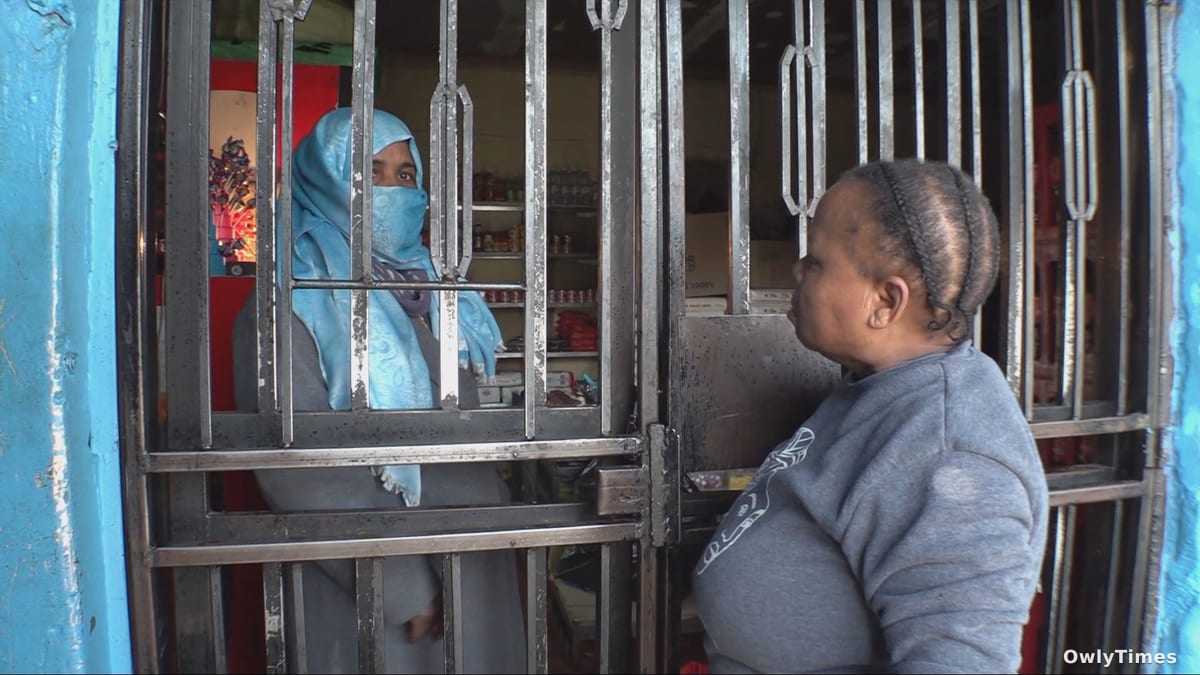
For the ordinary migrant, this means the infrastructure of daily life—shops, homes, and transit—has become a gauntlet. The Independent highlights eyewitness accounts from Johannesburg suburbs where mobs as young as 14 are chanting for evictions. This is not just a localized flare-up; it is a sustained, coordinated campaign that has already forced tens of thousands of foreigners to repatriate. As Al Jazeera notes, Nigeria alone has evacuated hundreds of its citizens, while Uganda’s High Commission has announced a fourth round of voluntary repatriations.
The data provided by experts like Professor Jo Vearey of the University of the Witwatersrand serves as a sobering reality check: foreign-born individuals make up only about four percent of the South African population. Removing this group, as protesters demand, would do nothing to resolve the country's systemic unemployment. The next measurable signal of this crisis will come from the results of the investigation into Iroegbu’s death, which the South African body investigating police conduct confirmed to The Independent is currently underway. Until then, the "options" mentioned by the Nigerian foreign ministry remain a looming threat, suggesting that this regional instability is only just beginning to tighten its grip.