
Is our digital-first infrastructure actually prepared for the analog reality of a changing climate? While Silicon Valley spends its cycles chasing the next generative AI breakthrough, the residents of the U.S. Pacific territories are dealing with a far more immediate form of "data processing": the brute-force impact of Super Typhoon Bavi.
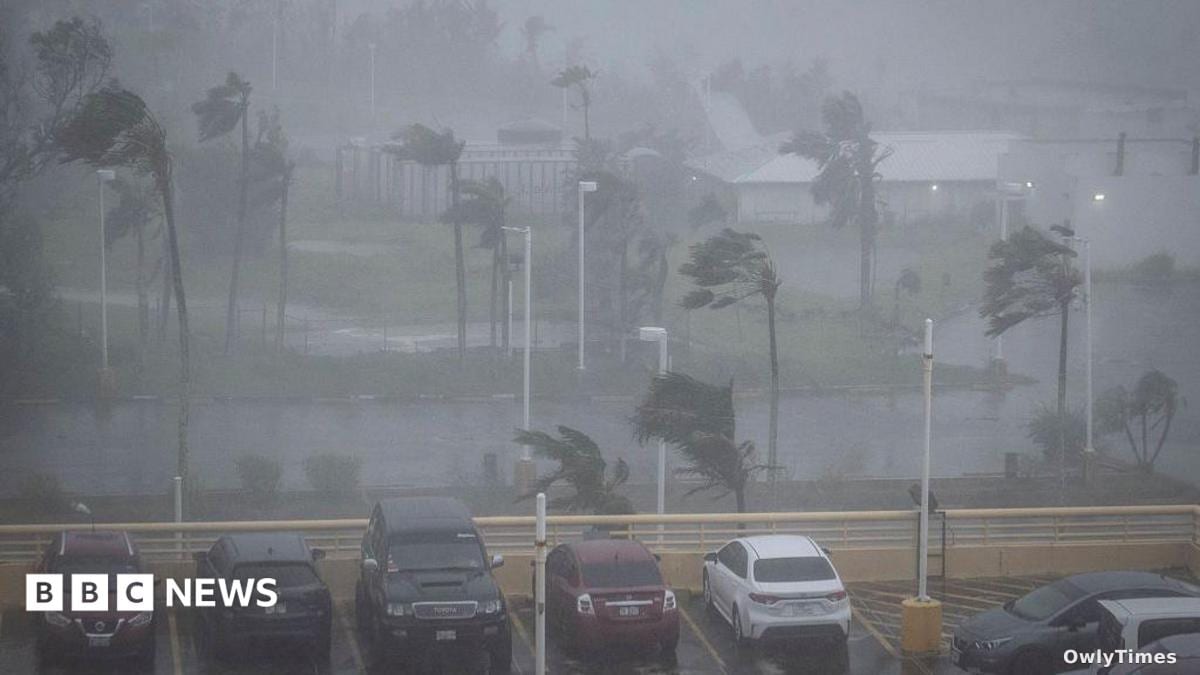
The real story here isn't just the raw power of the storm—it’s the fragility of a region still trying to reboot after a previous disaster. Super Typhoon Bavi made landfall on Monday, July 6, 2026, hitting the island of Rota with what the National Weather Service (NWS) described as "catastrophic" wind speeds. While the BBC reports that Rota is roughly 50km north-east of Guam, NPR provides a slightly more granular distance of 40 miles. Regardless of the measurement, the impact was uniform: widespread destruction across the Northern Mariana Islands and Guam.
A System Stretched to Its Breaking Point
Both the BBC and CBS News emphasize that this event is compounded by the lingering scars of Super Typhoon Sinlaku, which struck the region in April. That earlier storm left 17 people dead and caused an estimated $1.5 billion in damages, according to the BBC. Because recovery remains incomplete, the infrastructure was already brittle; NPR notes that many residents on Saipan and Tinian were still without power two-and-a-half months after Sinlaku, creating a scenario where shelters were packed and forced to turn people away.
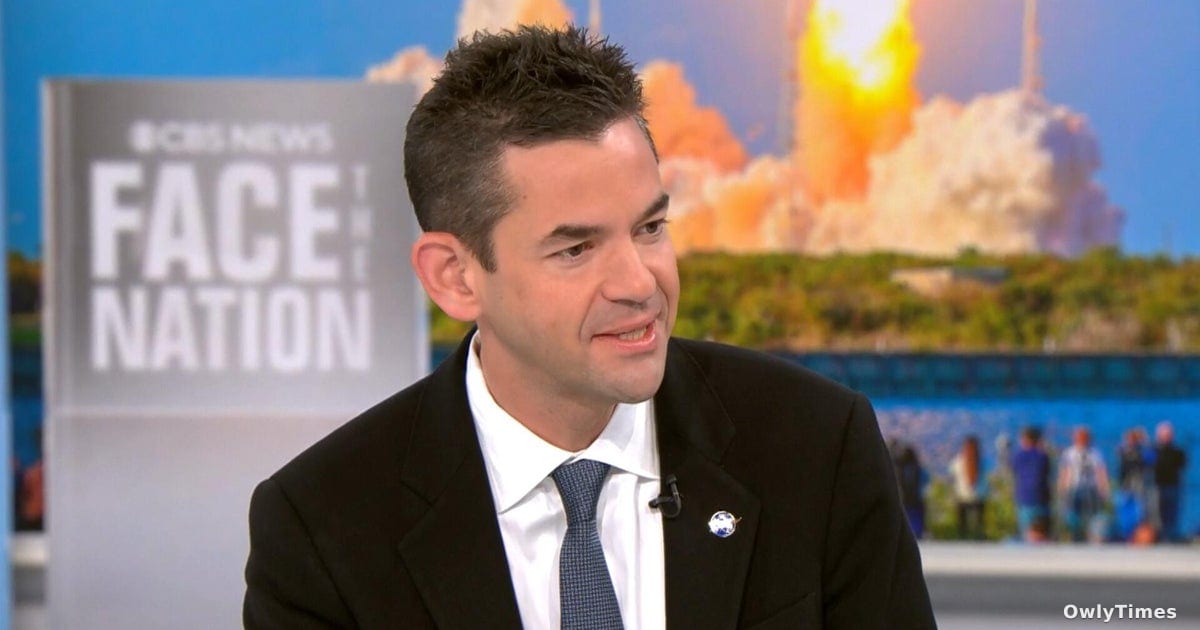
The technical specifications of Bavi are staggering. CBS News cites NWS meteorologist Edwin Montvila, who warned that the Category 5 storm could produce sustained winds of 180 mph with gusts reaching 215 mph. Meanwhile, NPR reports that the Joint Information Center confirmed 180 mph sustained winds as of 7 a.m. Monday. Discrepancies in forecast intensity vs. recorded reality are common in high-velocity weather events, but the consensus on the "super typhoon" classification—defined by the Joint Typhoon Warning Center as sustained winds of 150 mph or greater—remains undisputed across all reports.
The Human Cost of High-Tech Warnings
For the average user, "extreme weather" is a notification on a smartphone; for the 170,000 residents of Guam, it is a life-or-death logistical puzzle. CBS News highlights that Guam Gov. Lou Leon Guerrero urged residents to avoid the roads, while local meteorologist Landon Aydlett told NPR he had been awake for nearly 24 hours tracking the storm. There is a distinct tension between the clinical, data-driven warnings issued by the NWS and the lived experience of the locals. The Rev. Francis Hezel, speaking to CBS News, suggested that while warnings are necessary, there is a point where they become an exercise in managing fear rather than just communicating risk.
What Happens When the Grid Goes Dark
The immediate, measurable signal to watch now is the recovery of the power grid and the status of the emergency shelters. As the BBC noted, shelters on Guam reached capacity as early as Sunday afternoon, forcing the redirection of vulnerable populations. With the Port Authority of Guam suspending operations and the Andersen Air Force Base limiting access to essential personnel only, the logistical pipeline for aid is effectively frozen until the winds drop below tropical storm force. Expect the next phase of this story to be defined by the disparity between the "concrete-home" resilience mentioned by Hezel and the reality for those in substandard housing, as the true scale of the structural damage emerges once the NWS officially clears the region of danger.