
$300 Billion at Risk: How Dubai Holds Iran’s Economic Lifeline
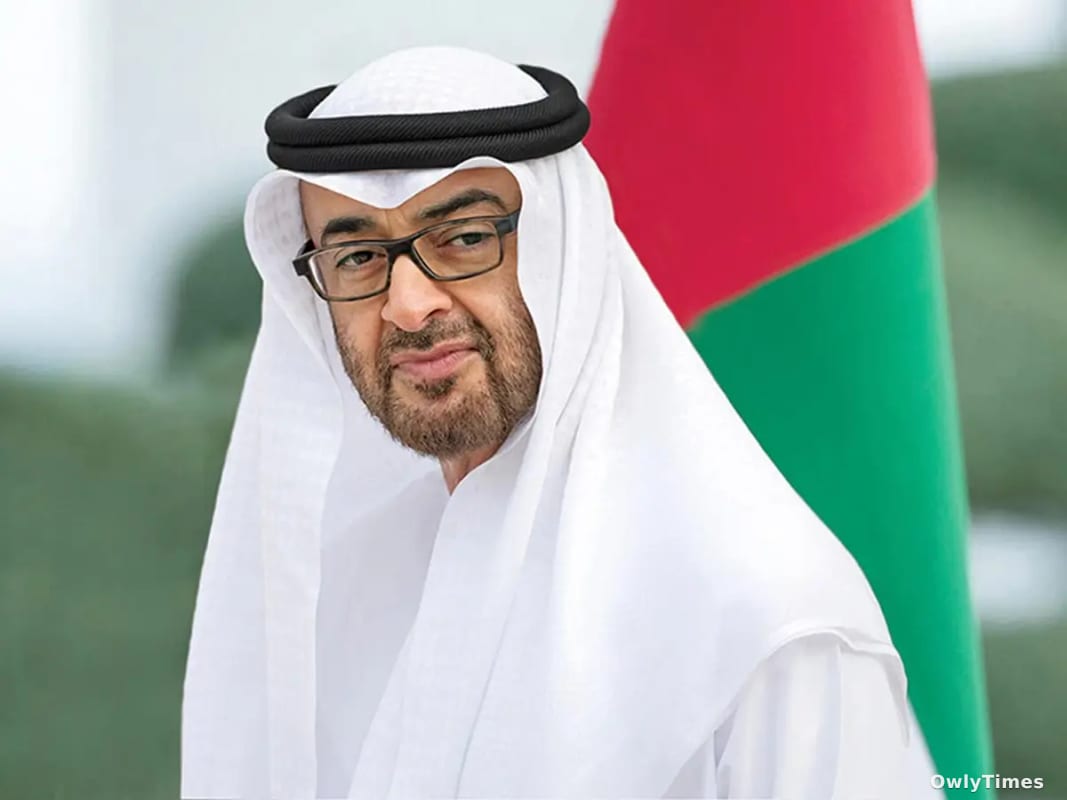
$300 billion. That’s a conservative estimate of the assets flowing through the Islamic Revolutionary Guard Corps’ (IRGC) shadow banking network within the United Arab Emirates, and it’s the leverage Sheikh Mohamed bin Zayed (MBZ) now wields with surgical precision. While global attention focuses on potential military escalation following recent attacks, the real pressure point isn’t in the Strait of Hormuz – it’s in the commercial districts of Dubai. The recent strikes against Emirati soil haven’t triggered immediate airstrikes, but they have provided MBZ with the justification to dismantle the financial infrastructure that has, for decades, allowed Iran to circumvent international sanctions.
Original reporting: wionews.com.
For years, heavily sanctioned Iran has treated Dubai as its “offshore lung,” a critical access point to the global financial system. Unable to utilize Western banking channels, the regime has relied on the UAE’s robust financial infrastructure to conduct international trade. This isn’t a matter of minor infractions; the scale is immense. According to internal UAE intelligence assessments, the IRGC operates a sprawling network of front companies and shell entities, largely concealed within the country’s free-trade zones. These aren’t simply paper companies; they represent billions in assets, meticulously built to bypass US sanctions and funnel funds to Tehran. The key difference now is that MBZ has both the motive and the political cover to act decisively.
The most immediate impact will be felt in the flow of US dollars. Iran’s regime requires hard currency – specifically dollars – to maintain internal security and pay its security forces. This demand is met through a complex web of covert “Hawala” networks and specific currency exchange houses, concentrated in areas like Deira, Dubai. Shutting down these specific exchange corridors isn’t a broad sanction; it’s a targeted constriction of the dollar pipeline, designed to choke off the regime’s access to the world’s reserve currency. This isn’t theoretical. In 2022, similar crackdowns on Hawala networks in Iraq led to a 15% drop in the Iranian Rial’s value within a single month, demonstrating the sensitivity of this financial artery.
Beyond currency controls, the UAE is poised to initiate what amounts to an “oligarch purge.” The IRGC’s financial operations depend on a network of elite middlemen, smugglers, and fixers who reside in Dubai’s luxury real estate market. Expect mass deportations, the immediate cancellation of “Golden Visas” – a program offering long-term residency to investors – and the seizure of high-value properties, particularly on Palm Jumeirah. This isn’t simply about punishing individuals; it’s about dismantling the infrastructure that facilitates illicit financial flows. The precedent exists: similar asset seizures targeting Russian oligarchs following the invasion of Ukraine demonstrated the UAE’s willingness to act when geopolitical interests align.
However, the financial pressure extends beyond direct asset seizures. A significant portion of Iran’s illicit wealth is generated by its “shadow fleet” – a collection of aging, uninsured oil tankers that conduct covert ship-to-ship transfers in waters near the UAE, particularly off the coast of Fujairah. The UAE Navy and port authorities can legally disrupt this activity by denying maritime services, tracking vessel transponders, and impounding ships with falsified documentation. This effectively blinds the fleet, crippling Iran’s ability to export oil – its primary source of revenue. Data from Lloyd’s List Intelligence shows a 20% increase in shadow tanker activity in the region over the past year, highlighting the scale of this operation and the potential impact of UAE intervention.
The cascading effect of these actions will be a catastrophic devaluation of the Iranian Rial. Already struggling with hyperinflation following the recent period of political instability, the Rial is poised to crash. A worthless currency makes it impossible for the IRGC to buy loyalty, suppress domestic unrest, or fund its regional proxies. This is where the true strategic impact lies. The billions of dollars covertly routed through Dubai aren’t just sustaining the Iranian economy; they are directly funding groups like Hezbollah in Lebanon, the Houthis in Yemen, and various Iraqi militias – collectively known as the “Axis of Resistance.”
What this means for your wallet: watch for a ripple effect in global oil prices. A significant disruption to Iranian oil exports, coupled with increased regional instability, could easily push crude oil above $100 a barrel. More importantly, monitor the stability of the Rial. If it collapses, it will signal that MBZ’s financial offensive is succeeding, and the geopolitical landscape in the Middle East is about to undergo a dramatic shift. The question now isn’t if the UAE will act, but how quickly and how comprehensively it will dismantle Iran’s financial lifeline.