
Beyond the White Coat: Why Medical Student Research Matters Now More Than Ever
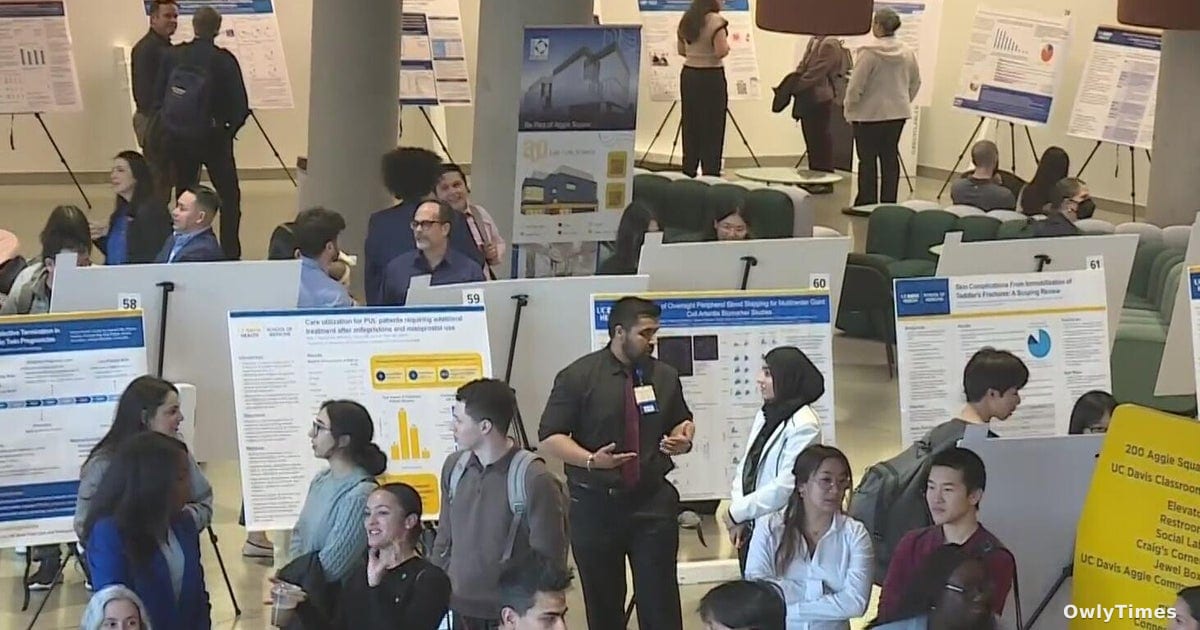
The narrative around medical training often centers on clinical skills – diagnosis, treatment, bedside manner. But a recent research forum at UC Davis’ Aggie Square, reported by CBS Sacramento on March 5, 2026, highlights a critical, often underappreciated component: rigorous scientific investigation. This isn’t simply an academic exercise for aspiring physicians; it’s a necessary response to a healthcare landscape increasingly defined by disparities, evolving understandings of chronic conditions, and a public grappling with misinformation. The projects unveiled by students at UC Davis aren’t just potential “life-changing discoveries,” as Susan Murin, dean of the UC Davis School of Medicine, suggests – they’re a demonstration of a shift in medical education towards proactive problem-solving, rather than reactive treatment.
Source material: CBS News.
The forum showcased a diverse range of investigations, from disparities in skin cancer diagnosis to the health impacts of cannabis use, and the efficacy of mobile pediatric clinics. Aliyah Parker, a dermatology student, is focusing on a particularly pressing issue: the delayed diagnosis of skin cancer in communities of color. This isn’t a novel observation – research consistently demonstrates later-stage diagnoses in these populations – but Parker’s work aims to understand why this disparity persists. The implication is that simply increasing access to dermatological care isn’t enough; cultural sensitivity, targeted outreach, and addressing systemic biases within the healthcare system are likely crucial components of a solution. This focus on the “why” is what elevates the research beyond descriptive epidemiology and into the realm of actionable public health intervention.
Another project, led by medical student Maxim Orlov, tackles the complex and often stigmatized topic of cannabis use. Orlov and his team are attempting to move beyond anecdotal evidence and societal preconceptions by gathering “actual scientific data” on the health impacts of cannabis. This is a particularly timely endeavor, given the ongoing debate surrounding cannabis legalization and the limited, often conflicting, research available. It’s important to note that the study isn’t necessarily pro-cannabis; rather, it’s a commitment to evidence-based understanding, a critical step in informing responsible policy and patient care. Headlines might suggest a simple “cannabis is good/bad” outcome, but the true value lies in the nuanced data that will emerge, potentially clarifying specific risks and benefits for different populations.
The practical implications of student research were also evident in the work of Ellie Kim and colleagues, who are evaluating the effectiveness of mobile pediatric health clinics serving students at Rancho Cordova Elementary School. Their initial findings – that many students lacked established primary care providers or health insurance – underscore a significant access-to-care gap. This isn’t a revelation for public health officials, but the student-led study provides localized data, demonstrating the need for innovative solutions like mobile clinics. The $330 million in research funding awarded to the UC Davis School of Medicine last year, placing it among the top 20 nationally, clearly supports this kind of community-engaged research. However, funding alone doesn’t guarantee impact; the success of these projects hinges on translating research findings into tangible improvements in patient care.
Limitations to Consider
While the enthusiasm surrounding these student projects is warranted, it’s crucial to acknowledge inherent limitations. These are, after all, preliminary studies conducted by students, not fully-fledged clinical trials. Sample sizes may be small, methodologies may be evolving, and the potential for bias must be carefully considered. For example, the mobile clinic study relies on data from a single elementary school, limiting the generalizability of the findings to other communities. Similarly, the cannabis research will need to account for a wide range of variables – dosage, frequency of use, individual health conditions – to draw meaningful conclusions. The CBS Sacramento report doesn’t detail the specific methodologies employed, making a thorough assessment of these limitations difficult.
The Future of Medical Inquiry
The work presented at Aggie Square isn’t just about answering specific research questions; it’s about cultivating a generation of physician-scientists who are equipped to critically evaluate evidence, identify knowledge gaps, and contribute to the ongoing evolution of medical knowledge. The next crucial step will be to see how these initial findings are refined and expanded upon. Will Aliyah Parker’s research lead to the development of culturally tailored skin cancer screening programs? Will Maxim Orlov’s data inform evidence-based guidelines for cannabis use? And, perhaps most importantly, will the success of these student-led initiatives inspire other medical schools to prioritize research training and community engagement? The question facing healthcare providers and policymakers now isn’t simply what these students discovered, but how we can leverage their insights to build a more equitable and effective healthcare system for all.