
Is the American labor market finally hitting a structural wall, or is this just a classic case of Wall Street misreading the tea leaves?
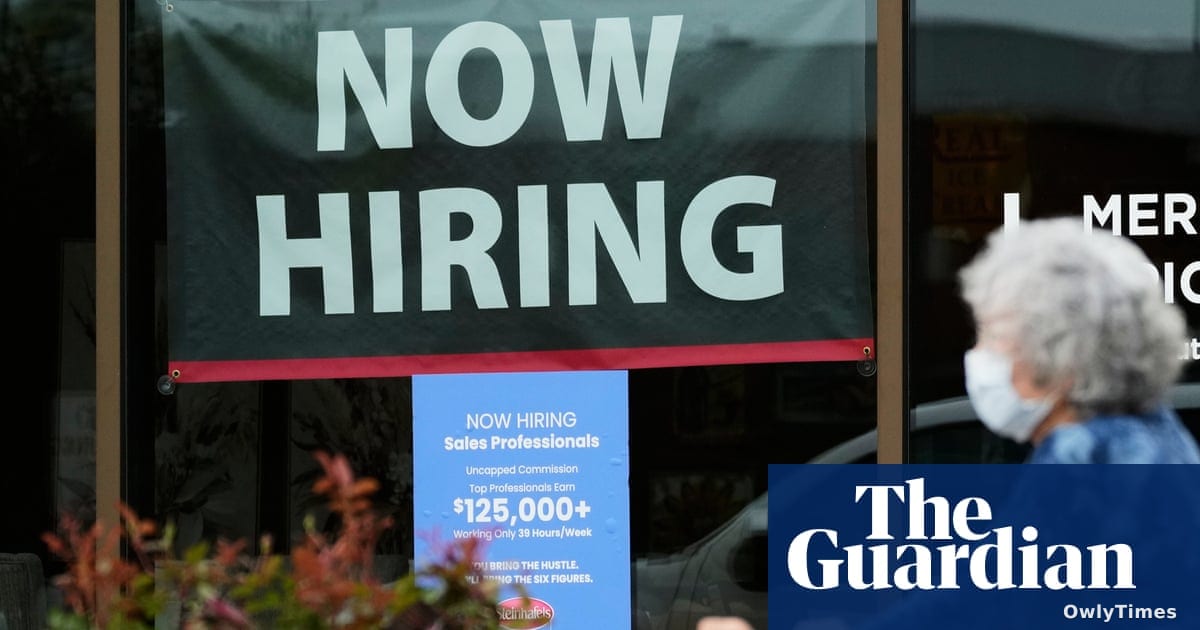
The real story here isn’t just the headline-grabbing figure of 57,000 new jobs added in June—it’s the stark disconnect between the official data and the reality of a U.S. economy that seems to be running on fumes. While economists polled by FactSet had anticipated a gain of 100,000, and the CNBC consensus forecast sat at 115,000, the actual numbers delivered by the Bureau of Labor Statistics represent a sharp cooling of the hiring engine. To make matters worse, the government quietly revised downward the job growth for April and May by a combined 74,000, according to both The Guardian and CBS News.
The World Cup Hiring Paradox
The most baffling anomaly in this month’s report is the leisure and hospitality sector, which shed 61,000 jobs. This decline was particularly jarring because, as CNBC notes, Goldman Sachs had estimated a 40,000-job boost for the industry tied to the World Cup. The industry’s failure to hire is a real-world reminder that technical models often break when faced with human behavior; as Jamie Cox, managing partner for Harris Financial Group, told CBS News, "There is zero chance leisure and hospitality posts a negative print in the midst of the World Cup." Whether this is a statistical glitch or a sign that businesses are becoming deeply cautious about seasonal spending remains the primary point of contention among analysts.
Behind the Unemployment Mirage
While the unemployment rate ticked down to 4.2%, readers shouldn't mistake this for a sign of a roaring market. As CNBC highlights, the drop was driven largely by a slump in labor force participation, which fell to 61.5%—the lowest level since March 2021. The Guardian corroborates this, reporting that 720,000 people left the labor force entirely. For the average worker, this means the "low hire, low fire" mode described by the Bureau of Labor Statistics is effectively a state of limbo where opportunities are stagnant and confidence in finding new work is eroding.
The Federal Reserve’s Narrow Path
For the tech sector and broader markets, these figures act as a release valve on interest rate anxiety. Federal Reserve Chair Kevin Warsh has been vocal about his focus on "price stability," but the soft June data suggests the central bank has little incentive to tighten the screws further. While The Guardian points out that Fed members projected at least one rate hike earlier this year, CNBC reports that traders have already removed a potential September hike from their expectations. As Chris Low, chief economist at FHN Financial, told CBS News, there is currently "not enough job strength to suggest the Fed should hike... but neither is there enough weakness to justify cuts."
We are currently in a high-stakes waiting game. The next major signal to watch for will be the June inflation figures, which are scheduled for release later this month; they will determine if the Fed feels forced to act despite the cooling job market.