
The air in Seattle this Friday night is heavy with more than just the Pacific Northwest humidity. As Egypt prepares to face Iran at Seattle Stadium, the match is framed by the standard tropes of tournament progression—the pursuit of a Round of 32 berth, the tactical chess of group stages—but the reality on the ground feels far more precarious. While the 2026 World Cup has been a masterclass in logistics, featuring a staggering 13 different kickoff times to accommodate a global audience, this particular fixture highlights the friction between the beautiful game and the harsh realities of international conflict.
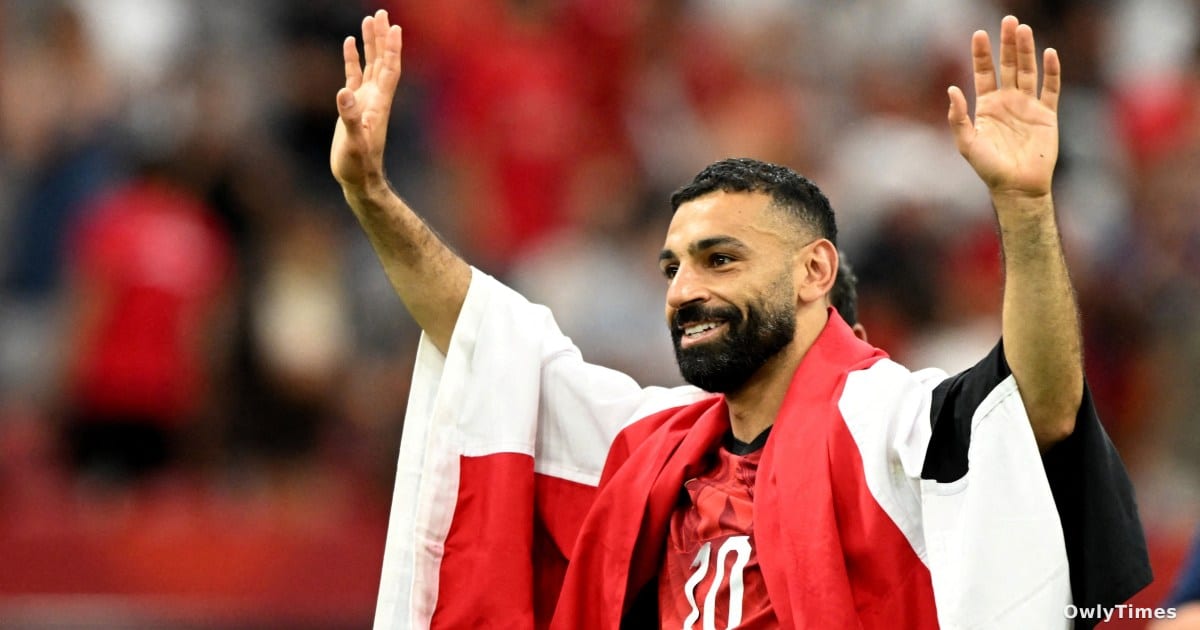
For Mohamed Salah and the Egyptian squad, this match is a pursuit of historical redemption. It has been 92 years since the Pharaohs made their tournament debut in 1934, and they have yet to experience the sweet release of a knockout-stage victory. Salah, now operating in a new, freer central role under head coach Hossam Hassan, stands on the precipice of personal history as well. With 69 goals for his country, he is merely one strike away from matching the legendary tally set by Hassan himself between 1985 and 2006. It is a rare, poetic symmetry: a coach watching his star pupil attempt to rewrite the very record books he currently occupies.
Yet, the tension surrounding this match is dictated by forces far outside the white lines of the pitch. Iran arrives in Seattle under the shadow of a war that began on February 28, involving the tournament’s co-host, the United States. The resulting travel restrictions have turned their campaign into an exercise in logistical endurance. For their previous matches against New Zealand and Belgium, the team was confined to a 24-hour window for travel, forced to retreat to their base in Tijuana, Mexico, immediately after the final whistle. While US authorities have eased these mandates, the Iranian football federation noted that officials still created hurdles during their transit to Seattle.
Coach Amir Ghalenoei has navigated this tightrope with a pragmatic stoicism, admitting that the physical toll of these restrictions has hampered his side, even as he insists they are now fitter and ready to compete. The backdrop is further complicated by the Pride celebrations surrounding the match, a cultural intersection that both teams have largely sidestepped in their public comments. While FIFA has confirmed that rainbow flags will be permitted inside the stadium, the atmosphere remains one of strained focus.
The numbers provided by Opta’s supercomputer suggest a clear hierarchy, granting Egypt a 44.1 percent probability of victory compared to Iran’s 24.6 percent. But in a tournament that has already seen the United States drop a 3-2 result to Turkey—a match that shattered the record for total goals in a World Cup with 173 scored—statistical models feel increasingly fragile. The US team, despite their loss, has already secured a spot in the Round of 32, a benchmark of consistency they have only reached twice before, in 1930 and 2002.
As the world watches Seattle on Friday, the stakes are clear. Egypt needs a win to secure the top spot in Group G, while Iran is fighting for their first-ever knockout appearance in their eighth attempt. The outcome of this match, and the subsequent group standings, will be determined by the final whistle, but the broader signal will come from the points table itself. The final tally in Group G will serve as the next definitive metric, revealing whether the political turbulence that defined Iran’s preparation will serve as a catalyst for resilience or a weight that ultimately drags their campaign to a premature end.