
The Calculus of Escalation: Trump’s Iran Strike and the Limits of American Power
The immediate trigger for Operation Epic Fury – the confirmed US participation in strikes within Iran on February 28th – obscures a deeper strategic calculation. This wasn’t simply a response to Iranian proxies, but a demonstration of resolve aimed at multiple audiences: a domestic base demanding strength, regional allies fearing abandonment, and, crucially, a signaling effort directed at Iran’s nuclear program. Donald Trump’s promise of a four-to-five week campaign isn’t a prediction of military necessity, but a political timeframe designed to project control and limit the perception of open-ended commitment. The question now isn’t whether the US can sustain a war in the Middle East, but whether it can achieve its limited objectives – defined as “destroying their missiles and razing their missile industry to the ground,” according to Trump – within that self-imposed window.
Based on the original Al Jazeera report.
The initial phase of the operation, involving over 1,250 targets struck and the destruction of 11 Iranian ships according to CENTCOM, has already exacted a human cost. The Iranian Red Crescent reports 555 deaths across 130 locations, a figure likely to rise. But the most significant casualty, symbolically and strategically, was Ayatollah Ali Khamenei, Iran’s Supreme Leader since 1989. His assassination removes a key figurehead and introduces a period of uncertainty within the Iranian leadership, potentially disrupting command and control. However, it also raises the stakes considerably, transforming the conflict from a targeted campaign against military assets into a direct challenge to the regime’s legitimacy. Who benefits and who loses from this escalation? Israel gains a powerful ally actively dismantling a shared threat. The US defense industry stands to profit from the inevitable surge in demand for munitions, as evidenced by the deployment of over 20 weapons systems – from B-2 stealth bombers to LUCAS drones – in the first 24 hours. Iran, obviously, loses, but so too does the broader region, facing increased instability and the risk of wider conflict.
The financial implications are already substantial. Since October 7, 2023, the US has provided Israel with $21.7 billion in military aid, supplemented by $9.65 to $12.07 billion in direct funding for US operations in the region. This brings the total cost to between $31.35 and $33.77 billion – and counting. The initial 24 hours of Operation Epic Fury alone reportedly cost $779 million, with a pre-strike military build-up adding another $630 million. While the US defense budget, currently exceeding $1 trillion with a proposed increase to $1.5 trillion, can absorb these costs, the more pressing concern, as highlighted by Christopher Preble of the Stimson Center, isn’t financial sustainability but the depletion of critical weapon stockpiles. The loss of three F-15 fighter jets in a friendly-fire incident over Kuwait is a visible indicator, but the real strain lies in the consumption of interceptor missiles – Patriots and SM-6s – used to counter Iranian ballistic missiles and drones.
This situation echoes the 1991 Gulf War, where a technologically superior US-led coalition swiftly defeated Iraq, but underestimated the long-term costs of occupation and the complexities of regional power dynamics. Like then, the current operation relies heavily on air power and advanced weaponry. However, the parallel also reveals a critical vulnerability: the finite supply of precision-guided munitions and interceptors. During the 12-day conflict with Iran in June, concerns arose about dwindling interceptor stocks, a situation that hasn’t been fully resolved. These interceptors aren’t solely dedicated to the Iran theater; they are also crucial for supporting Ukraine against Russian strikes and maintaining a deterrent posture in the Indo-Pacific region. Diverting resources to Operation Epic Fury creates strategic trade-offs, potentially weakening US commitments elsewhere. Kevin Donegan, former CENTCOM operations director, correctly identifies the immediate objective as “blunting or degrading” Iranian offensive capabilities, but the long-term sustainability of that effort is contingent on maintaining a robust supply chain and avoiding a protracted conflict of attrition.
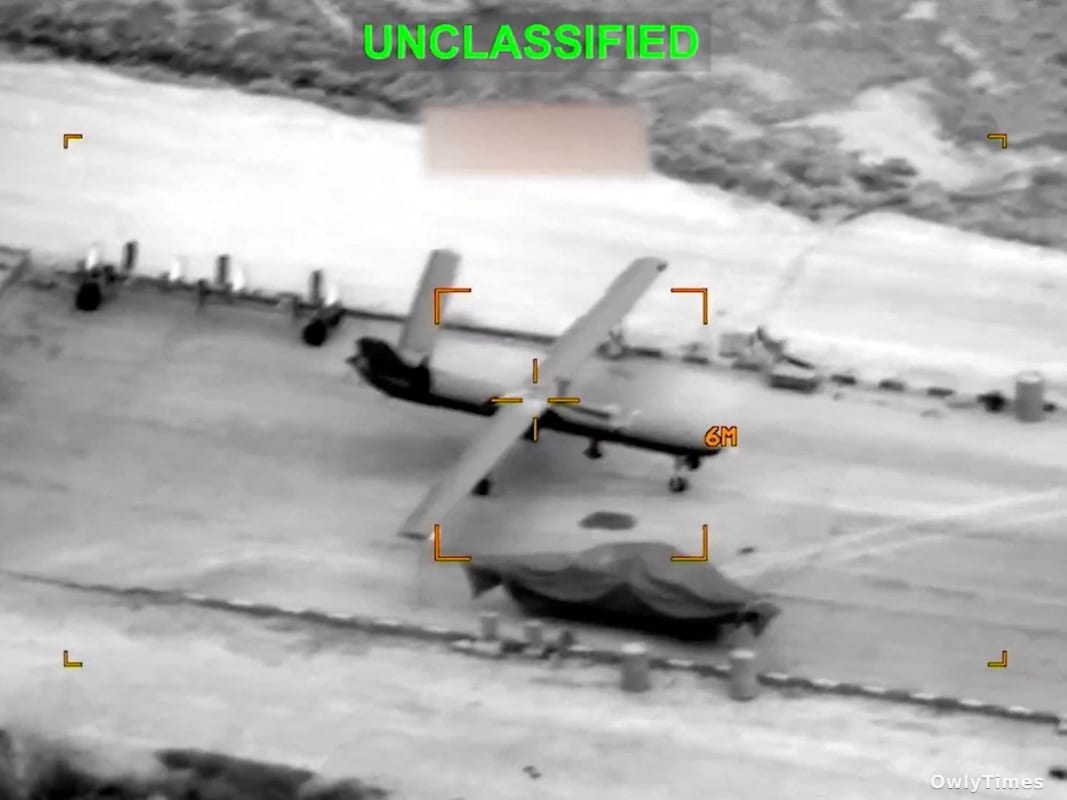
The deployment of low-cost unmanned combat attack systems (LUCAS) – reverse-engineered from Iranian designs – is a particularly noteworthy development. It signals a shift towards asymmetric warfare, acknowledging the limitations of relying solely on expensive, high-tech weaponry. This mirrors the US experience in Vietnam, where the need to counter inexpensive, yet effective, enemy tactics forced a re-evaluation of military strategy. However, the reliance on drones also introduces new risks, including potential vulnerabilities to electronic warfare and the ethical concerns surrounding autonomous weapons systems. The political chess move to watch next isn’t a further escalation of military force, but rather Trump’s response to potential Iranian retaliation and the internal debate within the administration regarding the scope and duration of Operation Epic Fury. Will he adhere to the four-to-five week timeframe, or will the pressure to “finish the job” – and the political imperative to demonstrate strength – lead to a deeper, more costly entanglement?