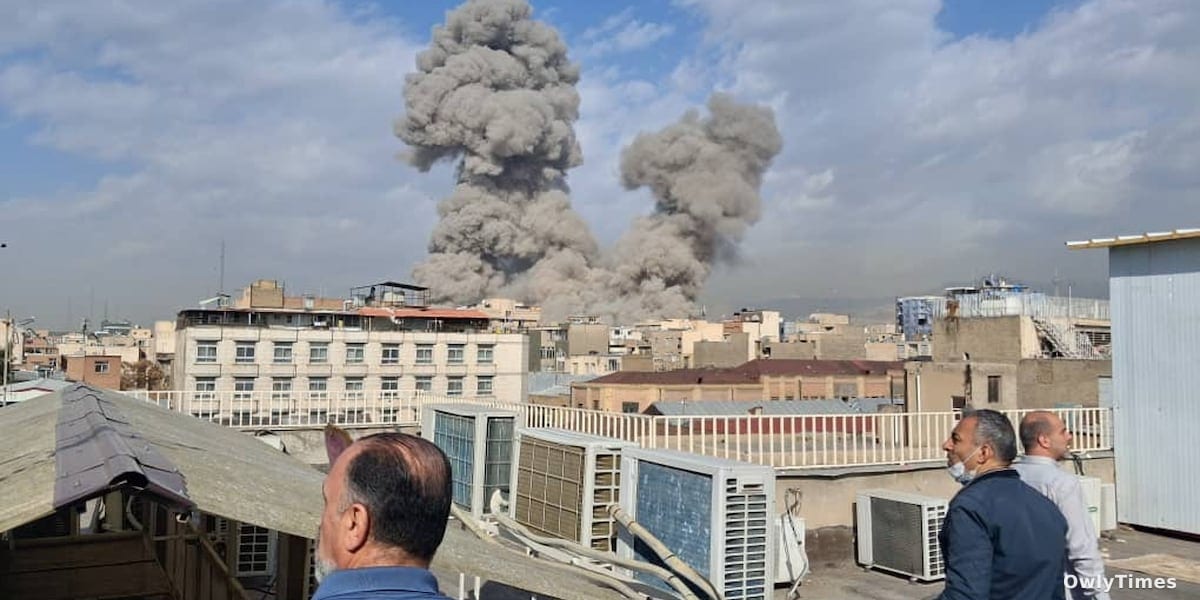

The immediate geopolitical fallout from recent U.S. and Israeli actions in Iran is dominating headlines, but a less-discussed consequence – the potential for renewed economic anxieties to reshape the American political landscape – deserves closer scrutiny. While initial reactions might suggest a shift towards prioritizing foreign policy, Michael Smith, a Political Science Professor at Emporia State, argues that voters are likely to swiftly refocus on domestic economic concerns, a dynamic that could significantly complicate attempts to leverage the situation for political gain in the upcoming midterm elections. This isn’t simply about public attention spans; it’s about the deeply ingrained prioritization of personal financial stability, particularly in a climate still marked by lingering inflation and housing costs.
The Limits of Foreign Policy as a Campaign Tool
The instinct to rally around the flag during international crises is well-documented, but Smith’s assessment suggests this effect is likely to be short-lived. He anticipates a rapid return to what he terms “bread and butter issues” – inflation, housing affordability, and grocery prices – as the primary drivers of voter sentiment. This prediction isn’t based on speculation about voter fickleness, but on a pragmatic understanding of economic psychology. When individuals are directly grappling with rising costs, abstract geopolitical concerns tend to recede in importance. “Americans return back to the home, bread and butter, issues pretty quickly,” Smith stated to KWCH, adding a pointed caution to potential political strategists: “if I were advising Trump, I would not rely on this to save the Republicans in the midterms.” This is a significant observation, particularly given the historical tendency to frame national security events as opportunities for political advantage.
Source material: kwch.com.
Global Oil Supply and the American Consumer
Beyond the electoral implications, Smith highlighted a critical, often overlooked, economic link: the global oil market. Even though the United States does not directly import oil from Iran, disruptions to Iranian oil production – currently ranking within the top ten globally – will inevitably ripple through international markets. This isn’t a direct cause-and-effect relationship, but a systemic one. Smith uses the analogy of “squeezing a balloon,” explaining that restricting supply in one area will inevitably lead to price increases elsewhere. “If you try to squeeze the air out of one part of the balloon, it pops up in another, and so if the supply of oil is disrupted, it will affect the United States, and it will affect the markets, regardless of whether or not we buy oil directly from Iran.” This is particularly relevant now, as the U.S. energy sector continues to navigate a complex landscape of fluctuating demand and geopolitical instability.
Assessing the Regional Power Dynamic
The immediate impact on the balance of power in the Middle East is, of course, a central concern. Smith acknowledged that the recent actions represent a “shock” to the existing regional order, but refrained from offering a definitive prediction of the long-term consequences. This caution is warranted. Assessing shifts in regional power dynamics requires a nuanced understanding of complex historical relationships, internal political pressures within Iran, and the potential for escalation involving other regional actors. The situation is further complicated by the existing network of proxy conflicts and alliances that characterize the Middle East. While a direct, large-scale conflict remains unlikely, the potential for miscalculation and unintended consequences is undeniably heightened.
What to Watch for in the Coming Months
The core of Smith’s analysis isn’t a prediction of what will happen, but a framework for understanding how voters and markets are likely to react. The crucial question now is whether the anticipated rise in energy prices – even a modest increase – will materialize and, if so, how quickly it will translate into tangible economic anxieties for American consumers. Monitoring inflation data, particularly in the energy and food sectors, will be paramount. More importantly, observing whether political discourse shifts back to domestic economic concerns in the coming weeks will be a telling indicator of the public’s priorities. Will candidates attempt to capitalize on the international situation, or will they be forced to address the more pressing concerns of their constituents? The answer to that question will likely determine the shape of the midterm elections and beyond.