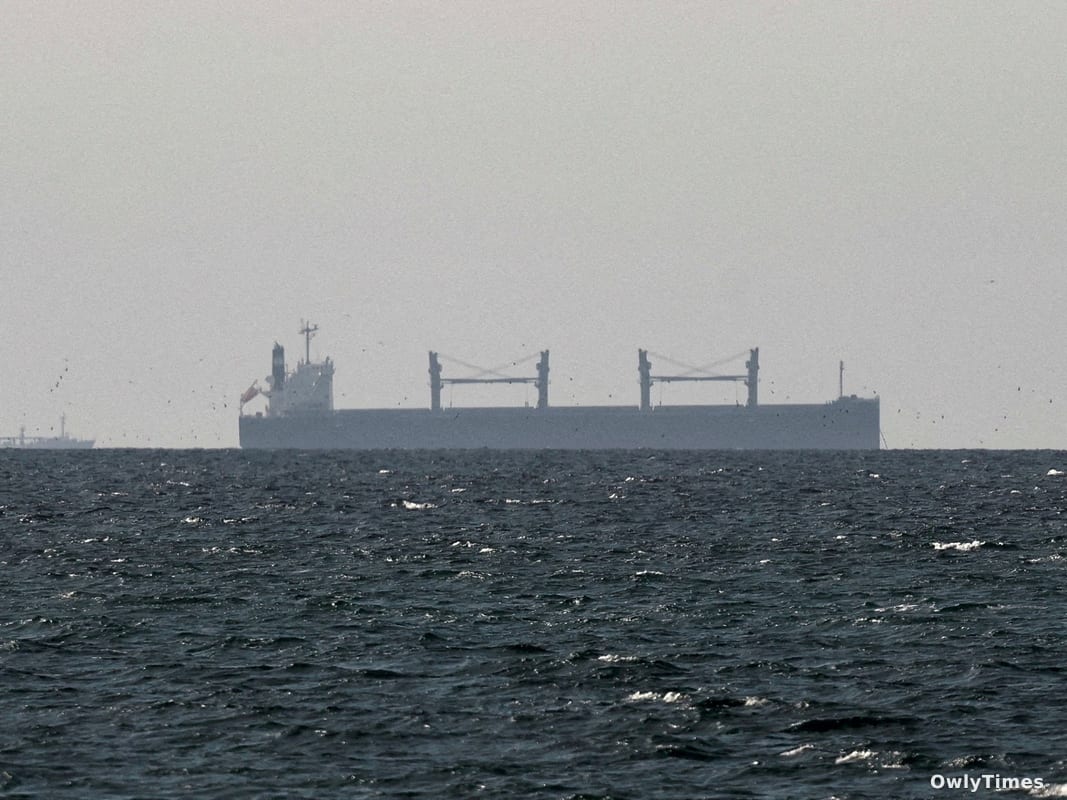

The detention of the M/T Tifani in the Bay of Bengal represents a calculated shift in the administration’s maritime strategy, moving beyond mere surveillance toward active disruption of Iran’s energy revenue streams. By boarding the vessel in the Indian Ocean, the United States Department of Defense is attempting to project power far beyond the Persian Gulf, signaling that the "ghost fleet" supplying Iranian crude is no longer operating in a safe harbor, regardless of geography. This move serves a dual purpose: it exerts direct pressure on the Iranian economy while simultaneously testing the resolve of Tehran ahead of high-stakes, mediation-heavy negotiations in Pakistan.
The Ghost Fleet’s Vulnerability
The strategic calculus here is clear: the administration intends to invalidate the concept of "international waters" as a sanctuary for sanctioned commerce. According to the maritime tracking website Marine Traffic, the M/T Tifani’s last signal was detected on Tuesday between Sri Lanka and the Strait of Malacca. The vessel, which intelligence firm Vanguard Tech identifies as Botswana-flagged, was reportedly carrying roughly 2 million barrels of crude oil loaded at Iran’s Kharg Island on April 5, as cited by the energy intelligence firm Kpler.
Who benefits from this seizure? The administration gains a tactical victory in its stated goal to maintain a blockade "until there is a deal," reinforcing the narrative of a robust, far-reaching enforcement capability. However, the losers are not just the entities behind the M/T Tifani; the diplomatic efforts led by Pakistan now face a steeper climb. When an unnamed US defence official confirmed to The Associated Press that the ship was seized in the Bay of Bengal, it underscored that Washington is willing to risk the stability of these fragile talks to maintain its economic stranglehold on Tehran.
Navigating the Blockade Contradiction
A stark contradiction exists between the administration’s public posture of total blockade and the operational reality on the high seas. While President Donald Trump has asserted the necessity of the blockade, data from Lloyd’s List Intelligence suggests that "at least 26 ships from Iran’s ghost fleet" have managed to circumvent these measures since they were imposed just last week. This indicates that despite the high-profile nature of the M/T Tifani boarding, the "ghost fleet" remains highly resilient, moving oil via ship-to-ship transfers off the coasts of Singapore and Malaysia.
This tension mirrors the historical challenges of naval blockades, where the policing of vast maritime corridors often fails to keep pace with the adaptive smuggling networks they intend to suppress. If the blockade is effectively porous, the political value of these seizures becomes purely performative—a signal to domestic audiences that the military is "raring to go," as the President described, even as the underlying economic impact remains diluted by the sheer volume of successful, albeit illicit, transits.
The Diplomatic Brink
The boarding of the M/T Tifani has provided a convenient pretext for Tehran to stall or withdraw from the upcoming talks in Pakistan. By labeling the seizure and a previous Sunday incident involving an Iranian-flagged cargo ship as "piracy at sea and state terrorism," the spokesperson for Iran’s Ministry of Foreign Affairs has placed the onus of diplomatic failure squarely on Washington. With the initial round of talks having concluded on April 12 without a breakthrough, the window for a peaceful resolution is narrowing. The next reading of the ceasefire status will show whether the recent maritime interdictions have effectively collapsed the mediation process or if they were simply the opening gambit in a final, high-pressure push for a deal.





