
The Calculus of Clemency: US Leverage and Venezuela’s Selective Reconciliation
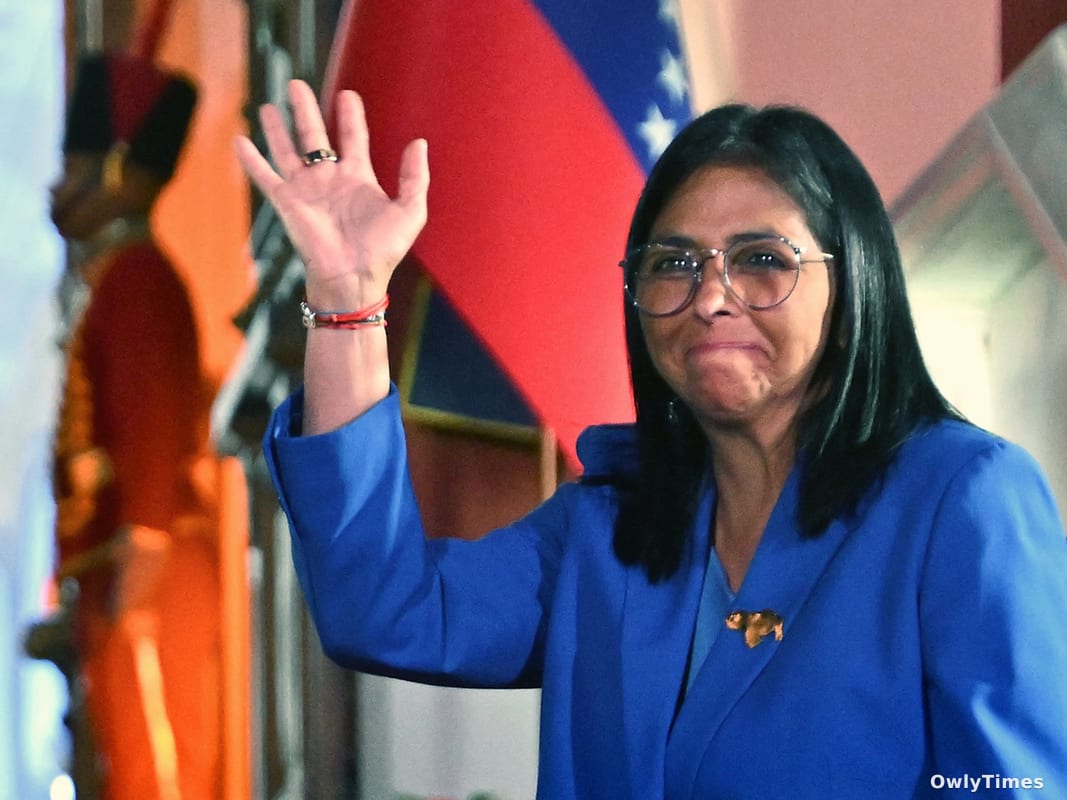
The swift passage and implementation of Venezuela’s amnesty law isn’t a spontaneous embrace of human rights, but a calculated response to a dramatically altered power dynamic. Following the unprecedented US military abduction of Nicolas Maduro on January 3rd, the subsequent rise of Delcy Rodriguez to the interim presidency, and the implicit backing of Washington, Venezuela is now navigating a landscape defined by external leverage. The release of over 370 political prisoners, with 1,557 applications already under review, isn’t simply a gesture of goodwill; it’s a demonstration of compliance, a signal to the US that the new regime is willing to address long-standing grievances – but on its own terms.
The sheer volume of applications – 1,557 cases addressed “immediately” according to National Assembly chief Jorge Rodriguez – speaks to the scale of political repression under the Maduro government. For decades, Venezuelan authorities denied the existence of “political prisoners,” framing detentions as legitimate responses to criminal activity. This reversal, achieved through unanimous legislative approval, is remarkable, but the fine print reveals a strategic selectivity. The law’s passage, while lauded by some as a step towards national reconciliation, is demonstrably shaped by the conditions set by its primary external sponsor. The fact that 80 prisoners have been freed, all from Caracas, suggests a controlled rollout designed to maximize positive optics while minimizing disruption.
This situation bears a striking resemblance to post-occupation scenarios throughout Latin American history. Following US interventions in Chile in 1973 and Argentina in 1976, subsequent governments implemented amnesty laws, often as a condition of restoring diplomatic relations and securing economic aid. However, these amnesties were frequently incomplete, designed to protect perpetrators of state-sponsored violence while offering limited relief to victims. Venezuela’s current law echoes this pattern, explicitly excluding those prosecuted for actions against “Venezuela’s sovereignty by foreign actors” – a clause widely understood to target opposition figures like Nobel laureate Maria Corina Machado, currently in the US, and her allies. This exclusion isn’t a legal oversight; it’s a preemptive strike against potential challenges to the new order.
Reporting from Al Jazeera informs this analysis.
Who benefits and who loses from this carefully calibrated amnesty? The Rodriguez government gains legitimacy in the eyes of the US and potentially unlocks access to much-needed economic assistance, particularly given the IMF’s warning that Venezuela’s economy remains “quite fragile.” Delcy Rodriguez solidifies her position by demonstrating a willingness to cooperate, a crucial factor in maintaining US support. Released prisoners and their families are the immediate beneficiaries, but the law’s limitations – the exclusion of military personnel and those accused of “terrorism” – mean that many remain unjustly imprisoned. Alfredo Romero of Foro Penal rightly points out the “discriminatory and unconstitutional” nature of these exclusions, arguing they undermine any genuine pursuit of “national coexistence.” The US, meanwhile, secures a degree of influence over Venezuela’s political trajectory without the prolonged commitment of a full-scale occupation.
The lifting of house arrest for opposition politician Juan Pablo Guanipa, a close associate of Machado, is a telling indicator of the law’s selective application. While a positive step, it doesn’t address the broader concerns about the law’s scope and the potential for continued political persecution. The fact that 11,000 individuals previously granted parole or house arrest are now eligible for full freedom is significant, representing a substantial reduction in the number of politically constrained individuals. However, the continued detention of those deemed threats to “sovereignty” underscores the limits of this clemency. The families gathered outside Zone 7 in Caracas, chanting “We want to go home!”, represent the human cost of this political maneuvering, their hopes contingent on a process heavily influenced by geopolitical calculations.
The political chess move to watch next isn’t further prisoner releases, but the US response to Venezuela’s compliance. Will Washington demand broader amnesty provisions, including the release of military personnel and a guarantee of Machado’s safe return to participate in future elections? Or will it accept the current framework as sufficient, prioritizing stability and access to Venezuela’s oil reserves over a comprehensive resolution to its political crisis? The answer to that question will determine whether Venezuela’s amnesty law represents a genuine step towards reconciliation or merely a strategic maneuver in a larger geopolitical game.





