
The Weight of Intervention: When Mental Health Diversion Fails for Law Enforcement
The question of how society responds to violence perpetrated by those sworn to uphold the law is rarely straightforward. The recent decision by Judge Ferdinand Inumerable to deny pre-trial mental health diversion for Dylan Davis, a Ventura County Sheriff’s Deputy, isn’t simply about one man’s access to treatment; it’s a stark illustration of the tension between acknowledging the potential for trauma within law enforcement and ensuring public safety in the face of alleged brutality. While headlines have focused on the denial of diversion, the core of this case reveals a deeper debate about accountability, the definition of mitigating circumstances, and the very criteria used to determine who deserves a second chance before facing the full weight of the legal system.
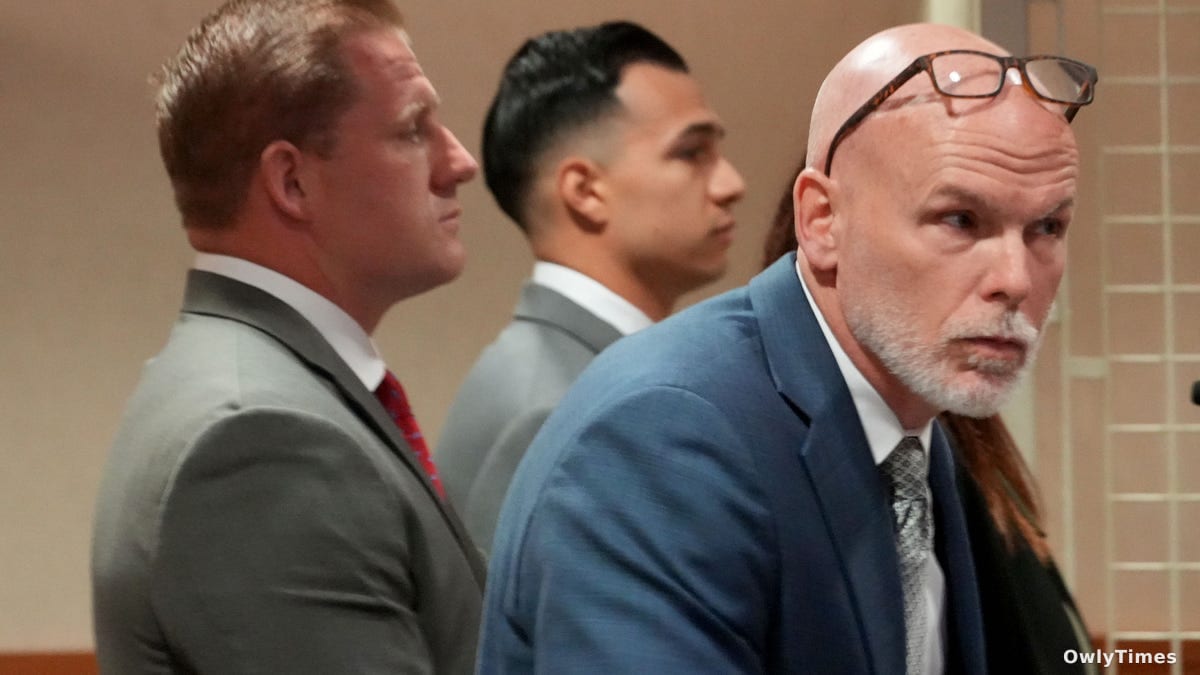
The incident itself, occurring at the El Rey Cantina in Camarillo on March 30, 2025, involved Davis and fellow deputy Anthony Malagon allegedly assaulting a bouncer after Davis reportedly choked his wife. The bouncer, identified as Jaiden Perkins of Oxnard, intervened, leading to a physical altercation that left him with a concussion and unable to eat solid food, ultimately resulting in a $440,000 settlement with the county. Both deputies were arrested and charged with felony assault, with Davis facing an additional charge of felony spousal battery. They remain on paid leave, their law enforcement certifications suspended. The request for mental health diversion, a program designed to offer treatment in lieu of prosecution, hinged on a diagnosis of post-traumatic stress disorder (PTSD) for Davis. Judge Inumerable acknowledged the diagnosis, but ultimately deemed Davis “unsuitable” for the program, citing an “unreasonable risk to public safety.”
Drawn from vcstar.com.
This ruling isn’t a simple dismissal of mental health concerns. The judge did find Davis eligible based on his PTSD diagnosis. However, the critical point – and what many reports have glossed over – is the judge’s assessment of the severity of the alleged actions and the potential for future harm. The detail of Davis allegedly choking his wife for at least five seconds, as described by Perkins, clearly weighed heavily on the decision. This wasn’t a case of minor workplace stress, as argued by Jessica Sullivant, the Ventura County prosecutor, but a violent act with a clear victim and a demonstrable pattern of aggression. Sullivant successfully argued that Davis’ PTSD, attributed to “mundane workplace stress” and a conflict with a supervisor, didn’t warrant the leniency offered by the diversion program, warning that granting it would set a dangerous precedent, potentially allowing any employee experiencing stress to avoid accountability for their actions.
The prosecution’s stance, while seemingly harsh, highlights a legitimate concern: the potential for abuse of mental health diversion programs, particularly within professions carrying significant power. The argument that systemic concerns shouldn’t influence an individual case, made by Davis’ attorney Jarrod Wilfert, feels somewhat disingenuous given the context. The nature of the alleged crimes – assault and domestic violence – inherently raise questions about an individual’s capacity for responsible behavior, regardless of underlying mental health conditions. The fact that Davis’ wife testified to seeing “a big improvement” in his condition through treatment doesn’t negate the severity of the initial act, nor does it guarantee future compliance or prevent further violence. It’s a testament to the complexities of domestic violence situations, where victims may understandably want to support their partners, even in the face of alleged abuse.
Limitations to consider are significant. Court filings detailing Davis’ PTSD diagnosis are confidential, leaving the public with an incomplete picture of his mental state. We rely on second-hand accounts from the courtroom, and the prosecution’s characterization of his PTSD as stemming from “mundane workplace stress” may be a strategic attempt to discredit the diagnosis. Furthermore, the $440,000 settlement with Perkins doesn’t establish definitive proof of wrongdoing, only that the county deemed it financially prudent to avoid a trial. However, the judge’s decision, grounded in the specific details of the alleged assault and the potential risk to public safety, suggests a careful consideration of all available information.
The next step is a standard criminal hearing for Davis on March 9th, and for Malagon on April 7th. But beyond these immediate proceedings, the crucial question remains: what safeguards are in place to ensure that law enforcement officers with documented histories of violence, even those seeking mental health treatment, are not placed in positions where they can inflict further harm? Will departments prioritize comprehensive psychological evaluations before hiring and throughout an officer’s career, rather than reacting to incidents after they occur? The outcome of this case, and others like it, will likely shape the future of accountability and mental health support within law enforcement for years to come.