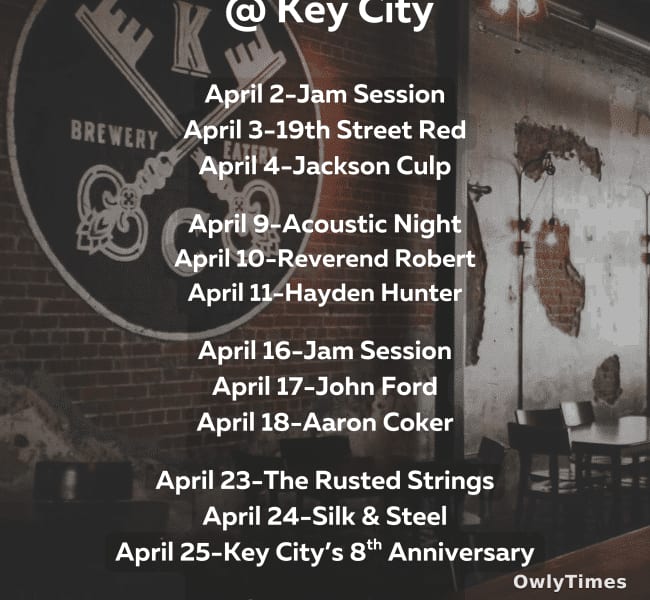

The bass thrummed against the weathered brick of the rooftop, a pulse barely audible over the Mississippi River’s lazy current. It wasn’t a headlining act, not yet, but a soundcheck for The Delta Nomads, a local blues band prepping for their Thursday night slot at Key City Rooftop. But this isn’t just another bar gig; it’s a carefully orchestrated attempt to rewrite Vicksburg’s narrative, one chord at a time. For a city steeped in history – and often defined by its history – Key City’s April music series feels like a deliberate turning towards a future built on creative energy, a future where the echoes of the past don’t drown out the possibility of something new.
A City Seeking a New Soundtrack
Vicksburg, Mississippi, a name synonymous with the Civil War’s pivotal siege, has long wrestled with how to present itself to the 21st century. Tourism dollars flow, undeniably, from battlefield reenactments and antebellum home tours. In 2023, the Vicksburg Convention and Visitors Bureau reported a record $187.2 million in economic impact, largely driven by heritage tourism – a 7% increase from the previous year. But that reliance on the past comes at a cost. It can feel, to residents and potential newcomers, like a city stuck in amber, resistant to change. Key City Rooftop, located at 1300 Washington Street, is attempting to subtly shift that balance. The April music series, featuring both established and emerging artists, isn’t about replacing the historical narrative, but about adding a new verse to it.
See the original vicksburgnews.com story for the full account.
The choice to focus on local and regional talent is particularly astute. While Vicksburg draws visitors interested in the 19th century, it often overlooks the vibrant artistic community flourishing now. The series isn’t bringing in big-name acts – the kind that command hefty ticket prices and cater to a transient audience. Instead, it’s investing in the musicians who live and breathe Vicksburg, the ones who contribute to the city’s everyday culture. This approach, while potentially yielding lower immediate revenue, fosters a sense of ownership and community. It’s a bet that a thriving local arts scene will, in the long run, attract a different kind of tourist – one seeking authentic experiences, not just historical markers.
Beyond the Bar: The Rise of Experiential Tourism
This isn’t an isolated event. Across the country, smaller cities are realizing that simply preserving the past isn’t enough to ensure economic vitality. Experiential tourism – travel focused on immersive, active participation – is on the rise. According to a 2024 report by Allied Market Research, the global experiential tourism market is projected to reach $1.6 trillion by 2032, growing at a compound annual growth rate of 12.8%. People aren’t just looking to see places; they want to do things, to connect with local culture in meaningful ways. Key City’s invitation to “bring your own instrument and join the bands for a Jam Session or Acoustic Night” is a perfect example of this trend. It transforms a passive entertainment experience into an active, participatory one.
The rooftop setting itself is also significant. It’s a deliberate attempt to create a “third space” – a social environment separate from home and work. Sociologist Ray Oldenburg argued in his 1989 book, The Great Good Place, that these spaces are essential for fostering community and civic engagement. Key City is consciously cultivating that atmosphere, offering a relaxed setting to “grab a drink, take in the view, and enjoy good company.” It’s a subtle but powerful message: Vicksburg isn’t just a place to visit; it’s a place to be.
The Challenge of Sustaining Momentum
However, the success of this initiative hinges on sustainability. A month-long music series is a good start, but it’s not a long-term strategy. The real test will be whether Key City can build on this momentum, transforming the rooftop into a consistent hub for live music and artistic expression. This requires more than just booking bands; it demands a commitment to supporting local artists, providing them with opportunities to develop their craft, and creating a sustainable business model that allows Key City to thrive. The Vicksburg Chamber of Commerce has not yet released data on the economic impact of similar arts-focused initiatives, making it difficult to predict the long-term benefits.
The tension here is clear: can Vicksburg embrace a more forward-looking identity without alienating the tourists who currently fuel its economy? Can it cultivate a thriving arts scene without sacrificing its historical charm? The answer likely lies in finding a balance, in recognizing that the past and the present aren’t mutually exclusive. Key City’s April music series is a small but significant step in that direction. The question now is whether Vicksburg will listen to the music, and allow it to guide the city towards a more vibrant, inclusive, and sustainable future. Will other businesses follow suit, recognizing the potential of experiential tourism to revitalize the city? Or will the echoes of the past continue to dominate the soundtrack of Vicksburg?