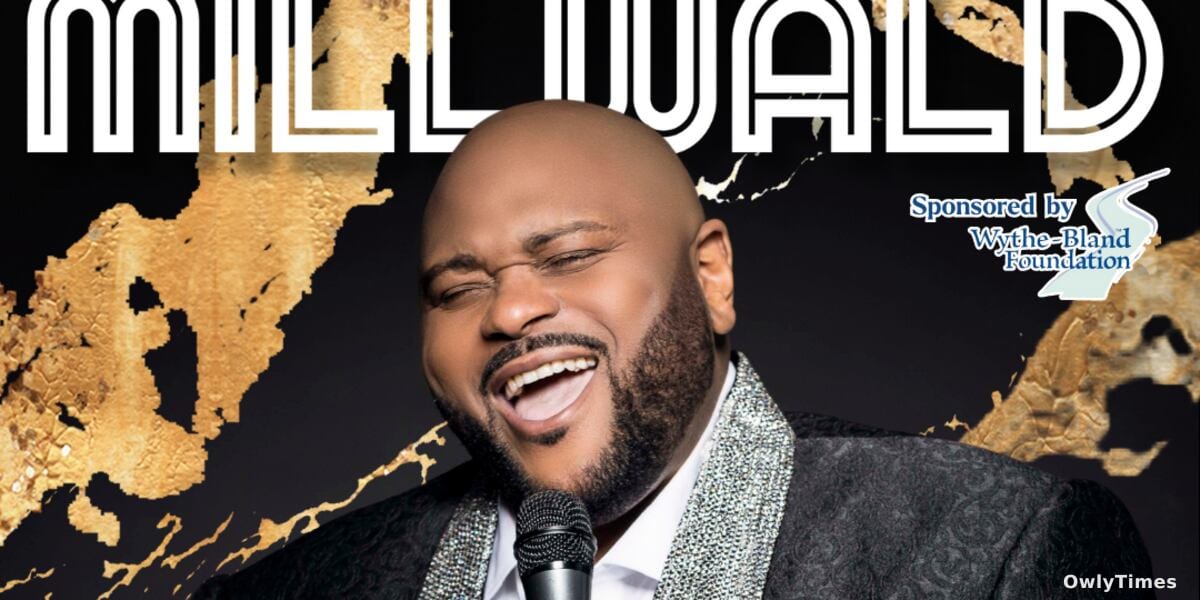

The scent of vinyl hung heavy in the air, even before Ruben Studdard stepped onto the stage at the Millwald Theatre in Wytheville, Virginia. It wasn’t a literal scent, perhaps, but a palpable feeling – a collective remembering of a time when music wasn’t streamed, but experienced, held in your hands, and shared with those around you. For those in attendance on February 26th, it wasn’t just a concert; it was a curated trip down memory lane, led by the man who soundtracked a generation’s early 2000s. But beyond the nostalgic setlist and the velvet voice, Studdard’s continued presence on stage, and his deliberate choices about how he stages his career now, speaks to a larger shift in how we value longevity and authenticity in the entertainment industry.
From Reality TV Crown to Lasting Power
Twenty-one years ago, Ruben Studdard wasn’t just winning “American Idol’s” second season in 2003; he was embodying a specific cultural moment. “American Idol” wasn’t simply a singing competition; it was a democratic promise, a narrative of the everyman (or, in this case, the powerfully-voiced church singer from Birmingham, Alabama) achieving the impossible. The show’s debut season in 2002 drew an average of 22.8 million viewers per episode, according to Nielsen data – numbers that haven’t been consistently replicated in the reality TV landscape since. Studdard’s victory, over the equally charismatic Clay Aiken, felt like a validation of that promise. Yet, the history of reality TV is littered with one-hit wonders, contestants who briefly blaze and then fade. What’s remarkable about Studdard isn’t just that he survived the “Idol” machine, but that he’s actively redefined his relationship to it.
This article draws on reporting from wvva.com.
He’s not chasing chart-topping singles or attempting to replicate the initial frenzy. Instead, he’s leaning into the intimacy of smaller venues, like the Millwald, and the power of shared memory. “I love singing the songs that remind people of nostalgic moments,” Studdard told WDBJ. This isn’t about artistic reinvention; it’s about recognizing the enduring value of connection, and the unique position he holds as a living artifact of a specific cultural era. The fact that he and Aiken have toured together multiple times – celebrating the 10th and 20th anniversaries of the show, and even sharing a Broadway stage – is a testament to a rare and valuable industry friendship, one built not on rivalry, but on shared experience. “It’s just been a blessing to have a friend like him,” Studdard said, a sentiment rarely heard in the cutthroat world of entertainment.
The New Definition of “Making It”
The entertainment industry often equates success with relentless upward mobility, a constant striving for bigger and brighter lights. But Studdard’s path suggests a different model, one where sustainability and personal fulfillment are prioritized over chasing fleeting fame. He’s built a life that integrates his career with his family – a wife, a five-year-old son, and an almost two-year-old daughter – and his commitment to giving back. His work with the Boys and Girls Club of America, where he himself was a “club kid,” and the Ruben Studdard Foundation, which offers music scholarships, demonstrate a dedication to creating opportunities for others. This isn’t simply philanthropy; it’s a reinvestment in the community that nurtured him.
This shift in focus is particularly poignant given the current landscape of the music industry. Streaming services have democratized music creation, but they’ve also devalued music itself, making it harder for artists to earn a sustainable living. According to a 2023 report by the Recording Industry Association of America (RIAA), while streaming accounted for 84% of total revenue, the per-stream payout rates remain notoriously low. In this environment, artists are increasingly looking for alternative revenue streams and ways to connect with their audiences directly, fostering a sense of community and loyalty that transcends algorithms and playlists. Studdard’s approach – prioritizing intimate performances and meaningful engagement – feels remarkably prescient.
Beyond the Stage: A Legacy of Giving Back
The enduring power of Ruben Studdard’s career isn’t just about the music; it’s about the man he’s become. He’s transitioned from being a reality TV star to a seasoned performer, a dedicated father, and a committed advocate for children. He’s navigated the often-turbulent waters of the entertainment industry with grace and authenticity, maintaining friendships and prioritizing values over fleeting trends. This is a narrative that resonates deeply in a culture increasingly skeptical of manufactured personas and hungry for genuine connection.
The question now isn’t whether Ruben Studdard can recapture the glory of 2003 – it’s whether more artists will follow his lead, embracing a model of sustainable success that prioritizes longevity, community, and purpose. Will we see a broader shift away from the relentless pursuit of viral fame and towards a more nuanced understanding of what it means to “make it” in the 21st century? The echoes of that velvet voice in the Millwald Theatre suggest that the answer might just be a resounding yes.