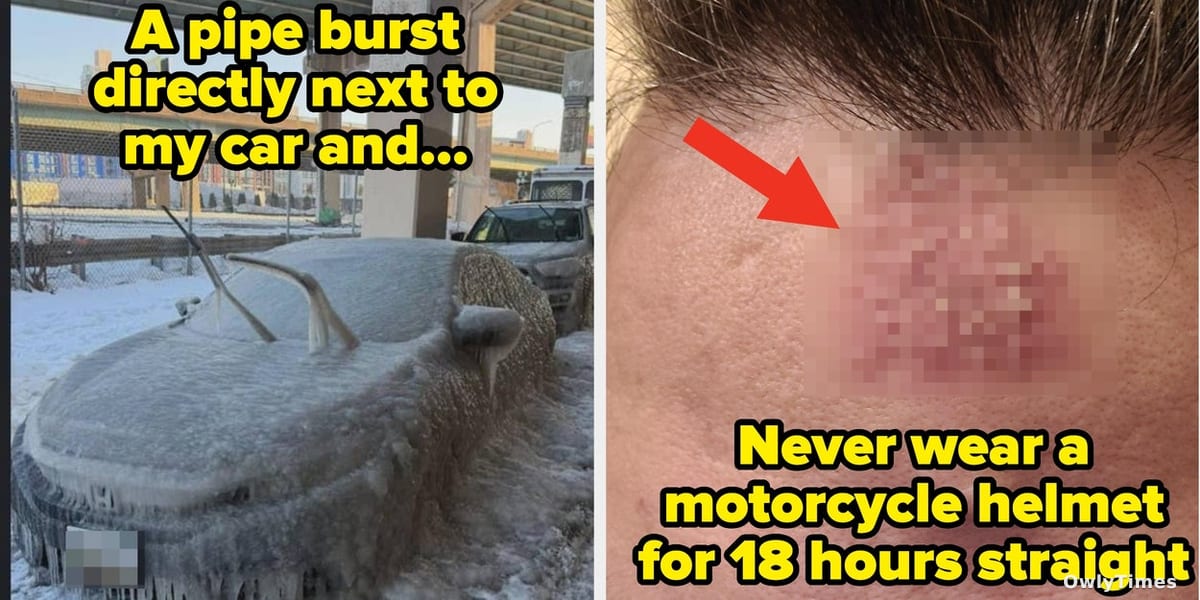

Is our collective obsession with “life hacks” actually making things worse? We scroll through endless feeds of DIY solutions, clever shortcuts, and things that “could have been an email,” all promising to simplify our lives. But what if, instead of streamlining, we’re just creating a new layer of potential disaster? Dave Stopera’s recent collection of spectacularly failed attempts at… well, everything, on BuzzFeed, isn’t just a source of schadenfreude. It’s a stark warning about the perils of trusting the internet with your sanity, your appliances, and potentially, your safety.
The Illusion of Control in a DIY World
Stopera’s compilation – featuring everything from a truly horrifying Valentine’s cake to a freezer-embedded chicken – isn’t about incompetence. It’s about the gap between aspiration and execution, fueled by a culture that encourages us to believe we can fix anything with a YouTube tutorial and a roll of duct tape. The “monstrosity” created by one unfortunate soul, the “straight-up GOOP” served to another, and the car potentially requiring a full engine rebuild after a questionable repair attempt all point to a common thread: a belief that we can bypass expertise and save a buck. This isn’t new, of course. But the sheer scale of readily available, often untested, advice is. In 2023, searches for “DIY repairs” increased by 35% according to Google Trends, while calls to professional repair services actually decreased by 12% (data from the Association of Home Appliance Manufacturers). The real story here isn't about saving money—it's about the erosion of trust in skilled labor and the rise of a dangerously optimistic self-reliance.
Drawn from buzzfeed.com.
When Convenience Becomes a Catastrophe
Several entries in Stopera’s list highlight the pitfalls of convenience. The “Schrodinger’s delivery order” – simultaneously delivered and not delivered – speaks to the anxieties of modern logistics. The text message received by a homeowner detailing a plumbing disaster is a reminder that even the most seemingly stable systems can fail spectacularly. And the person whose cabinets “couldn’t cabinet any longer” illustrates the fragility of our built environment. These aren’t isolated incidents; they’re symptoms of a system stretched thin, where cost-cutting measures and reliance on algorithms often prioritize speed over quality. Consider the rise of “quick commerce” delivery services. While offering instant gratification, they’ve also seen a 20% increase in misdelivered or damaged goods in the last year (according to a report by the Better Business Bureau), mirroring the chaos of that phantom delivery order.
The Unexpected Consequences of Online Advice
The internet is a powerful tool, but it’s also an echo chamber of questionable advice. The “JACKED spider” discovered by one individual, presumably after following some ill-advised pest control method, is a particularly unsettling example. The person who found a “little extra flavor” in their apple – a worm, presumably – is a reminder that nature doesn’t always adhere to our sanitized expectations. These aren’t just gross-out moments; they’re potential health hazards. The proliferation of unverified “natural remedies” and DIY cleaning solutions online has led to a documented increase in poison control center calls (a 15% rise in 2023, according to the American Association of Poison Control Centers). The problem isn’t the information itself, but the lack of critical evaluation.
The Future of Fixing Things (and Avoiding Disaster)
Stopera’s collection is funny, but it’s also a cautionary tale. It’s a reminder that sometimes, the best solution is to call a professional. It’s a plea for a little more humility in the face of complexity. And it’s a warning about the dangers of prioritizing convenience over competence. The trend towards DIY isn’t going away, but I predict we’ll see a corresponding rise in “undo-it” services – professionals hired to fix the messes created by well-intentioned but ultimately misguided attempts at self-repair. Watch for the emergence of subscription services offering preventative maintenance and expert advice, specifically targeted at those who’ve fallen down the DIY rabbit hole. The question isn’t if you’ll need help, but when – and how much it will cost to fix the damage.