
The strategic calculus for Jen Kiggans, a former Navy helicopter pilot representing Virginia’s coastal district, is a study in political contradiction. While she publicly positions herself as a champion of local economic growth, her voting record aligns with an administration intent on dismantling the very projects that underpin that growth. Kiggans finds herself caught between the populist mandate of a leader who views clean energy as a "Green New Scam" and the pragmatic needs of a district where an $11.5 billion wind farm is projected to create 1,000 jobs.
The Cost of the "Green New Scam" Narrative
Who benefits and who loses in this landscape is defined by the tension between national party orthodoxy and regional economic interests. According to a report by E2, a clean energy business group, the broader campaign against clean energy led by the current administration resulted in the cancellation of nearly $35 billion in U.S. projects last year. The data reveals a stark partisan disparity: Republican-held districts lost nearly twice as much in investments as those held by Democrats.
The administration’s ideological stance, characterized by the president’s vocal disdain for "windmills," has manifested in concrete fiscal policy. The administration even agreed to pay $1 billion to a French company to walk away from two U.S. offshore wind leases, pivoting those resources toward oil and natural gas. For Kiggans, the friction is palpable. She voted for legislation to gut clean energy tax credits, a move that Elaine Luria, her Democratic challenger, argues exposes the hollowness of Kiggans’ claims to be a moderate.
Navigating the Virginia Map
The political stakes for Kiggans were heightened when Virginia voters recently approved a new congressional map, rendering her district more competitive for Democrats. Stephen Farnsworth, a political science professor at the University of Mary Washington, notes that Kiggans is not an outlier in her predicament. Republicans in front-line districts are being squeezed between their party leader’s priorities and local economic realities.
Historically, this mirrors the friction seen with U.S. Rep. Tom Kean Jr., R-N.J., who faced a similar conflict regarding the Gateway Tunnel project. In that instance, the administration attempted to block funding for critical infrastructure, only to be forced to reverse course by federal court intervention. Much like the wind projects currently operating under federal court protections, these infrastructure battles illustrate how judicial oversight often serves as the only buffer against executive-driven project cancellations.
The Economic Reality of the Hampton Roads Project
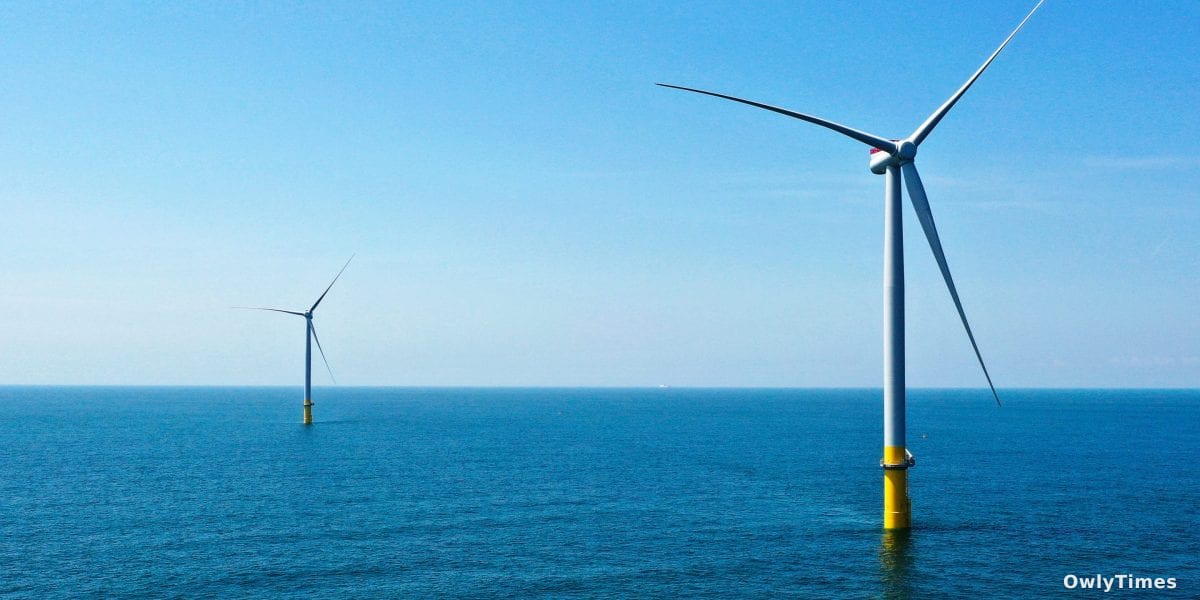
The Coastal Virginia Offshore Wind project, now partially online after delivering its first power to the grid last month, represents a significant investment in the region’s future. First announced in 2013, the project is slated to provide 2.6 gigawatts of power—enough to supply more than 660,000 homes. This capacity is increasingly vital as Virginia manages the surging energy demands of artificial intelligence data centers.
Despite the administration’s characterization of such infrastructure as "stupid and ugly," the project is positioned roughly 27 miles out into the ocean, rendering the turbines invisible from the shore. The Hampton Roads Workforce Council, which has been instrumental in training maritime workers for the site, views the project as a chance for the region to establish itself as a national leader in the sector.
The Metric to Watch
The political survival of Kiggans hinges on whether voters prioritize her defense of broader party tax policies or the tangible economic momentum of the wind farm. The next reading of the project’s employment and grid-contribution reports will show whether the incumbent can successfully navigate the gap between her voting record and the local economic development she touts. As the district moves toward the election, the ability of the wind farm to meet its job creation and power generation targets will serve as the primary indicator of whether Kiggans’ strategy of balancing party loyalty with local interest remains viable.





