
Is the “shop local” movement just a feel-good narrative, or a genuine economic lifeline? We’re constantly told to support Main Street, to cherish the quirky boutiques and family-owned restaurants. But in an era of one-click shopping and algorithmic convenience, how much does that sentiment actually matter? The story in Visalia, California isn’t about resisting Amazon – it’s about the surprisingly durable power of human connection in a world increasingly designed to eliminate it.
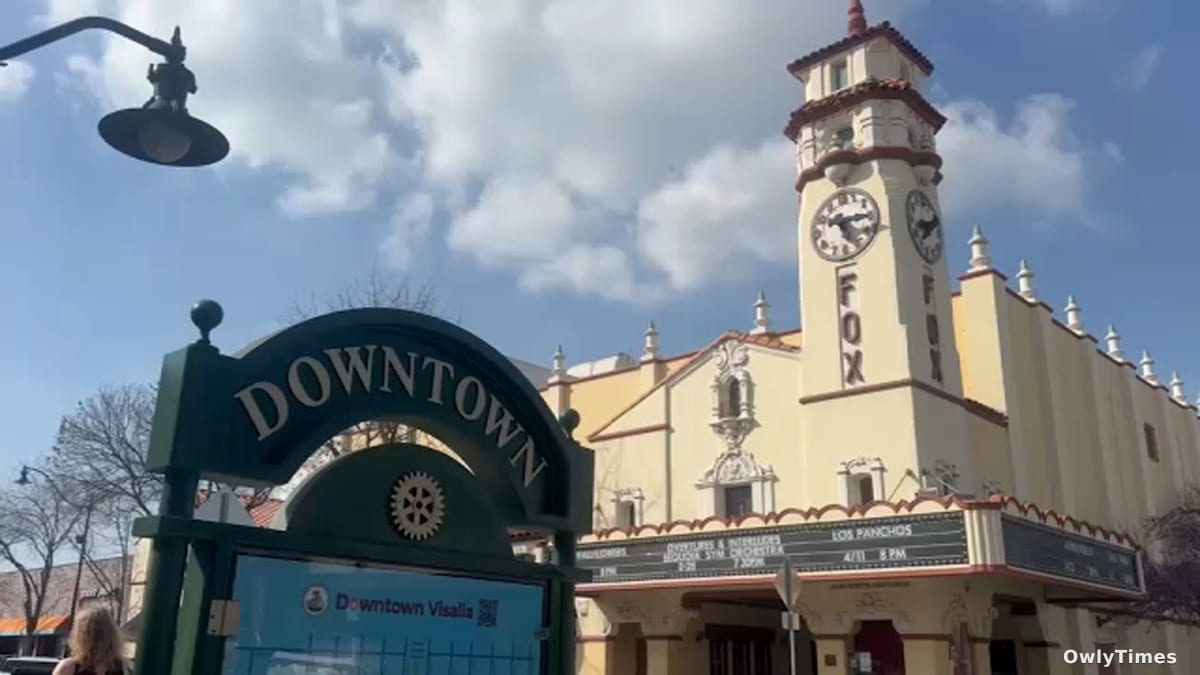
Downtown Visalia, as Mayor Brett Taylor puts it, aims for a “Hallmark movie” vibe. It’s a carefully curated aesthetic, but the underlying principle is sound: people crave places that feel…known. Main Street isn’t just a commercial district; it’s a social hub, a place where lunch breaks turn into conversations and shopping trips become experiences. This isn’t a new revelation, but it’s a particularly potent one now, as the sterile efficiency of online retail leaves many feeling disconnected. Taylor emphasizes that “small businesses are really the backbone of the economy,” and while that’s a statement politicians often make, in Visalia, it feels demonstrably true.
Source material: abc30.com.
Consider Brown’s Shoe Fit Company, a fixture since 1912. They aren’t competing on price with Zappos, and they aren’t offering next-day delivery. What they are offering is something algorithms can’t replicate: personalized service. Renee Calvo, the assistant manager with two decades at the store, describes a “sit-and-fit” approach, focusing on individual needs and building relationships. This isn’t just good customer service; it’s a business model built on trust and repeat business. The fact that a loyal customer, Janice Sartuche, transitioned into a sales role speaks volumes. It’s a self-reinforcing cycle of community and commerce.
The real story here isn't about saving quaint storefronts – it's about the economic value of social capital. We talk about data as the new oil, but what about the value of knowing your customers’ names, their foot sizes, their life stories? That kind of information isn’t quantifiable in a spreadsheet, but it translates directly into loyalty and resilience. Sheila Walters, another local business owner, understands this, actively prioritizing support for other small shops. And shoppers like Carol Lobb aren’t just seeking products; they’re seeking connection, a “wonderful experience” that transcends mere transactions.
Visalia isn’t relying on nostalgia to keep its downtown alive. The city is proactively filling vacancies, as evidenced by the swift replacement of a closed brewery with “La Piazza” and the addition of a yogurt shop and charcuterie place. This isn’t organic growth; it’s deliberate urban planning, recognizing that a vibrant downtown is an asset. The city understands that foot traffic isn’t just about sales; it’s about creating a sense of place, a destination that draws people in. Organizations like Downtown Visalians are actively fostering this through events, further solidifying the area’s appeal.
But here’s where the tension lies: Visalia’s success is dependent on a level of intentionality that’s difficult to scale. What works in a city of roughly 140,000 people doesn’t necessarily translate to larger metropolitan areas. The question isn’t whether people want this kind of experience, but whether they’re willing to actively seek it out, and whether small businesses can survive the interim. My prediction? In the next five years, we’ll see a bifurcation of retail. Mega-retailers will double down on convenience and price, while successful small businesses will increasingly position themselves as “third places” – not home, not work, but a vital community hub. The future of Main Street isn’t about competing with Amazon; it’s about offering something Amazon simply can’t.