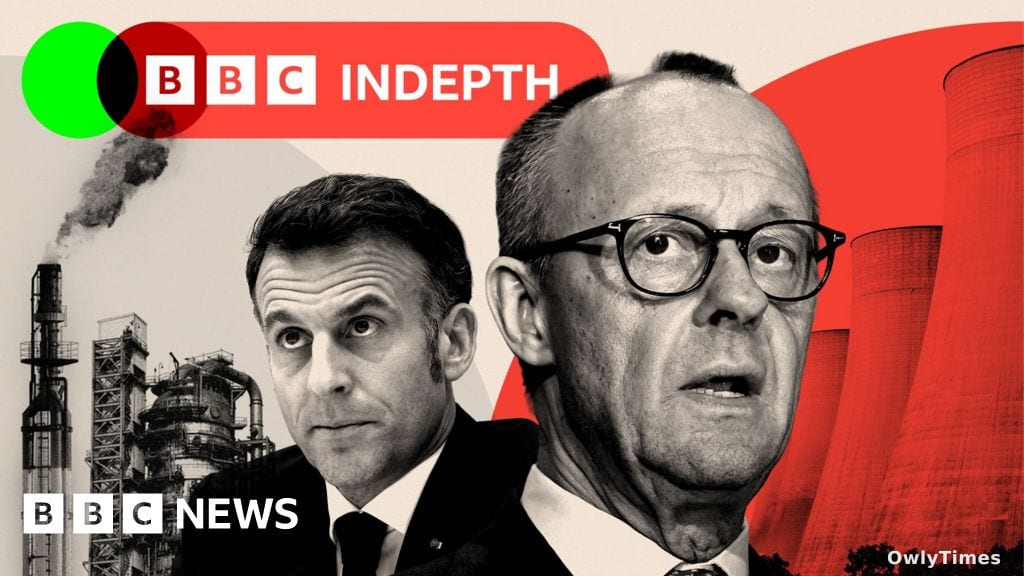

Is Europe truly pivoting away from energy dependence, or simply swapping one master for another? The narrative coming out of Brussels – and echoed by Ursula von der Leyen in 2022 following Russia’s invasion of Ukraine – was one of decisive action, a swift severing of ties with a manipulative energy supplier and a bold embrace of independence. But the current energy shock, triggered by conflict in the Middle East, reveals a far more uncomfortable truth. The real story here isn't Europe’s escape from Russian gas – it’s the continent’s continued vulnerability, now strategically shifted to the United States and Norway, and the increasingly precarious position of ordinary citizens caught in the crosscurrents of geopolitical maneuvering.
Four years after von der Leyen declared a “war on our energy,” Europe finds itself in a strikingly familiar predicament. As a frustrated European diplomat, granted anonymity, bluntly put it, “We swore we’d learn. We promised things would change but here we are.” The focus of this week’s emergency summit in Brussels isn’t long-term energy strategy, but rather damage control – scrambling for short-term fixes to appease angry voters facing soaring prices. This isn’t progress; it’s a painfully predictable cycle of crisis and reactive policy. While the EU has demonstrably reduced its reliance on Russian oil – down to just 2% flowing to Hungary and Slovakia – simply diversifying suppliers hasn’t solved the underlying problem of energy security.
The speed with which Europe abandoned Russian energy was, admittedly, remarkable given the EU’s reputation for glacial bureaucracy. But that speed came at a cost, and that cost is now becoming glaringly apparent. The US, under Donald Trump’s leadership, has stepped into the void, becoming the dominant supplier of Liquefied Natural Gas (LNG) to Europe – providing a staggering 57% of the EU’s total LNG imports. Germany, once heavily reliant on Russian gas (55% of its natural gas imports came from Russia before the 2022 invasion), now receives 96% of its LNG from the US. This dependence, however, isn’t a source of strength, but a new form of leverage. The silence of German Chancellor Friedrich Merz during a recent White House meeting, while Trump berated allies over military base access, speaks volumes. Was it deference, or a calculated risk assessment based on Germany’s energy needs? The sputtering German economy suggests the latter.
Reporting from the BBC informs this analysis.
The situation isn’t merely about trade; it’s about power dynamics. Trump, both during his first term and now, has repeatedly used energy as a political weapon, threatening tariffs and demanding concessions in exchange for continued supply. The $750 billion deal struck with the EU – a commitment to purchase US oil, LNG, and nuclear technologies – presented by von der Leyen as a strategic move, was, in reality, a capitulation. It’s a deal that may not even be sustainable, given questions about whether US export capacity and EU demand can realistically align. More importantly, it’s a deal that places Europe in a demonstrably weaker position, vulnerable to the whims of a US administration prioritizing its own interests. This isn’t energy independence; it’s a transfer of dependence. The Strait of Hormuz, currently disrupted, underscores this vulnerability. Even limited direct imports from the Middle East aren’t the point – the global market impact of any disruption ripples across the world, impacting European prices regardless.
The irony is that the pursuit of energy security is increasingly colliding with environmental goals. Norway, now the EU’s largest gas supplier, is operating near maximum output, and increasing supply would require further exploration – a prospect at odds with the EU’s climate ambitions. Oslo is actively lobbying Brussels to reconsider policies restricting oil and gas development in the Arctic, pointing to Russia’s expansion of LNG production in its own Arctic regions. This highlights a fundamental tension: the desire for immediate energy security often undermines long-term sustainability. Dan Marks of the Royal United Services Institute (RUSI) is right to point out that Europe needs to build stockpiles and reorganize consumption, but that requires a level of long-term planning that seems perpetually out of reach.
The Chinese model – a rapid push towards electrification – offers a potential path forward, with over 30% of China’s final energy consumption now coming from electricity. But Europe is hampered by internal divisions, with debates raging over the future of the Emissions Trading System (ETS) and the balance between green policies and economic competitiveness. Calls to weaken or abolish the ETS, fueled by rising energy costs, demonstrate a worrying willingness to sacrifice long-term sustainability for short-term relief. Even within the EU, cooperation is fractured. The shadow of Brexit continues to complicate energy collaboration with the UK, despite the mutual benefits of closer ties.
The question isn’t whether Europe can secure its energy supply in the immediate crisis – it likely will, by simply outbidding other regions. The question is whether Europe can break this cycle of dependence and build a truly resilient energy future. My prediction? Within the next two years, we’ll see a significant escalation in transatlantic tensions over energy policy, culminating in a major trade dispute if Trump is re-elected. The EU will be forced to confront a stark choice: accept US dominance, or radically accelerate its transition to renewable energy, even at the cost of short-term economic pain. And the ordinary European consumer will be the one footing the bill, either way.




