
The economic tailwinds of the conflict in the Middle East will persist for at least eight months after the cessation of hostilities, according to the latest government projections. Darren Jones, Chief Secretary to the Treasury, confirmed that the UK is bracing for a prolonged period of inflationary pressure on energy, food, and aviation costs. This timeline serves as a stark warning to markets that the end of active combat will not trigger an immediate return to pre-conflict price stability.
The Cost of Global Supply Chain Disruption
Follow the money, and the path leads directly to the stalled energy production and transportation corridors in the Middle East. As supply chains remain compromised, the resulting "price pressure" is set to permeate the UK economy far more aggressively than the threat of empty supermarket shelves. The International Monetary Fund (IMF) has already downgraded its growth forecast for the UK this year, slashing its estimate to 0.8% from a previous prediction of 1.3%. The IMF explicitly identified the UK as the advanced economy most vulnerable to the current energy shock, highlighting a structural reliance on external energy sources that leaves the nation’s growth trajectory particularly sensitive to regional instability.
Strategic Contingency and Industrial Vulnerabilities
The government’s internal response is shifting into a high-frequency monitoring phase. Prime Minister Sir Keir Starmer is scheduled to chair a Cabinet committee meeting this Tuesday to address potential shortfalls, while a dedicated ministerial group led by Jones is now meeting twice weekly to track stock levels and supply chain integrity. This administrative tempo underscores the severity of the logistics challenges currently under review.
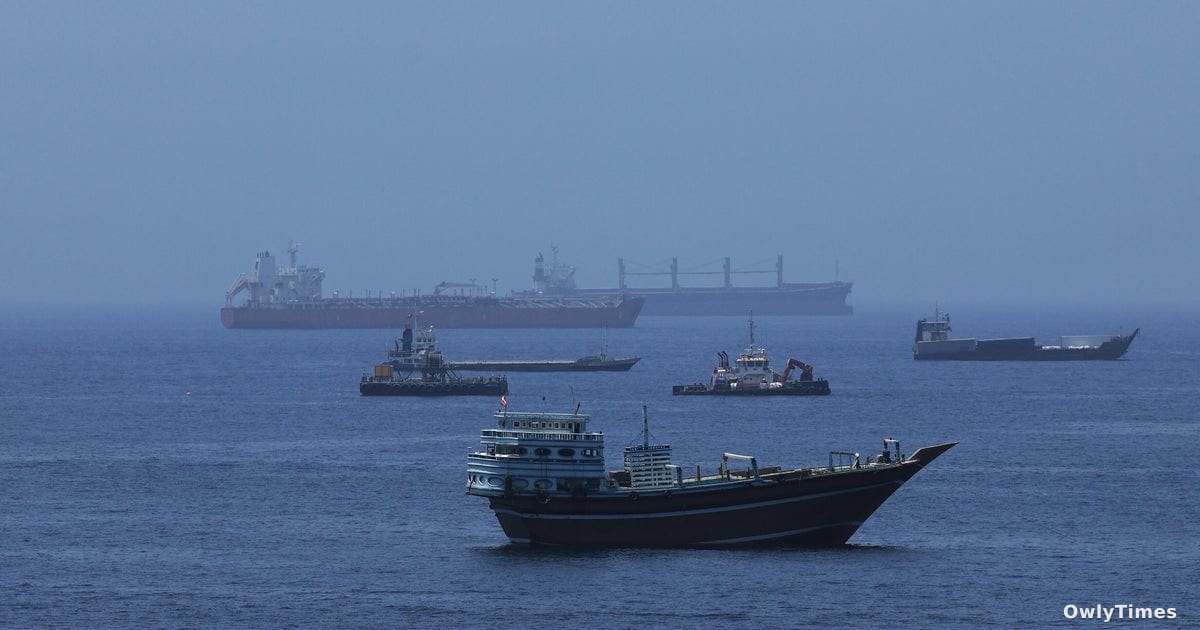
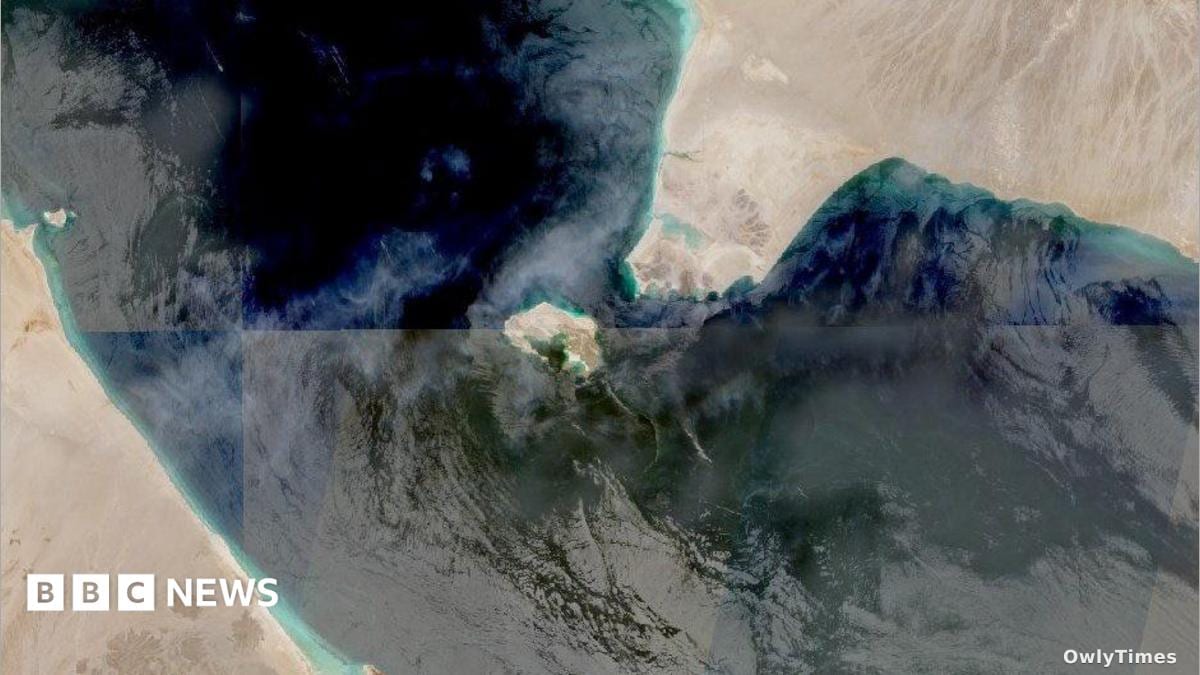
One critical pressure point involves the supply of carbon dioxide (CO2), a byproduct of fertilizer production that is essential for both food preservation and animal slaughter. While government sources have previously modeled scenarios involving supply breakdowns if the Strait of Hormuz remains closed, industry operators remain resistant to the narrative of immediate crisis. A spokesperson for the domestic CO2 plant recently stated they are "confident we can continue to produce CO2 for the country's needs for the foreseeable future," effectively decoupling current production capacity from the broader fears of food-grade gas shortages during the upcoming summer months.
Political Friction and Consumer Exposure
The tension between global geopolitical maneuvers and domestic cost-of-living concerns is becoming a central feature of the political landscape. While the government maintains that the UK is not a direct participant in the war, the fiscal repercussions remain unavoidable. Lisa Smart, the Liberal Democrats' Cabinet Office spokeswoman, has moved to capitalize on this, urging the government to prioritize food security in the upcoming King’s Speech and proposing a 10p cut on fuel duty to offset the rising cost of transportation.
For the average consumer, the immediate future is defined by a shift in expense volatility. Airlines have publicly stated they are not currently facing a jet fuel shortage due to advanced purchasing and existing airport reserves, yet the government has signaled that flight ticket prices will remain subject to upward pressure. Investors and households alike should look to the next reading of the IMF’s quarterly growth forecasts and the outcomes of the government’s bi-weekly contingency meetings as the primary indicators of whether these inflationary pressures will remain contained or escalate further into the fiscal year.