
$990 Million at Stake: Washington State’s Income Tax Gamble
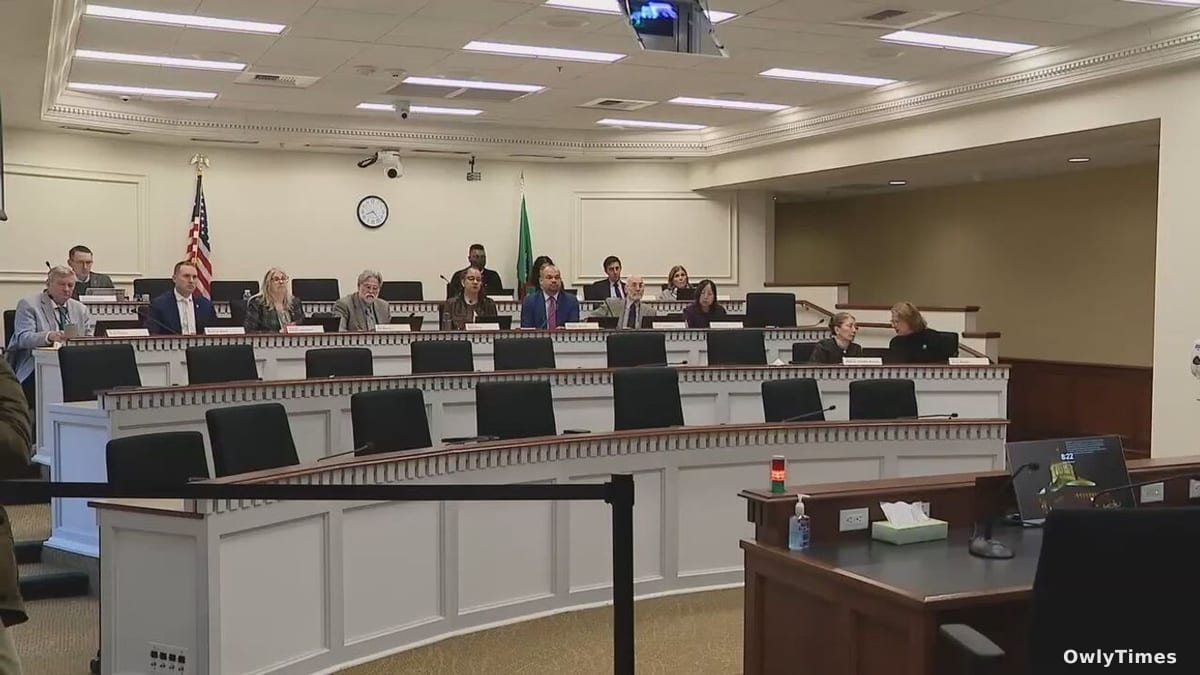
A potential $990 million in annual revenue is now within reach for Washington state, following the House Finance Committee’s vote to advance a bill establishing the state’s first-ever income tax. This isn’t simply a policy shift; it’s a calculated bet on the state’s economic resilience, and a direct challenge to decades of tax aversion. The bill, targeting individuals earning over $1 million annually with a 9.9% tax rate on income exceeding that threshold, represents a significant departure from Washington’s reliance on sales and property taxes – a system consistently ranking among the most regressive in the nation. The move, however, is already sparking debate over potential capital flight and its long-term economic consequences.
Source material: komonews.com.
The core argument from proponents, led by Rep. Sharlett Mena (D-29th District), centers on reinvestment. “It ensures that we have the resources to invest in early learning, child care, public education, healthcare, food assistance, and workforce development programs,” she stated during Friday’s committee hearing. This framing positions the tax not as a revenue grab, but as a funding mechanism for critical social programs. However, the projected $990 million – based on estimates of high-income earners residing in the state – hinges on the assumption that those earners will remain. This is where the risk calculation begins. Washington’s current tax structure has historically attracted high-net-worth individuals precisely because of its lack of income tax.
The opposition, spearheaded by Rep. Cyndy Jacobsen (R-25th District), warns of a predictable exodus. “Capital flight is not a myth,” she argued, pointing to the ease with which high-income earners can establish residency in other states. This isn’t hyperbole; IRS data shows a consistent pattern of individuals relocating to lower-tax jurisdictions. Florida, Texas, and Nevada have all experienced significant inflows of wealth in recent years, directly correlated with their tax policies. The concern isn’t simply about lost income tax revenue, but the broader economic impact of losing entrepreneurs and investors who drive job creation. A 2023 study by the Tax Foundation estimated that a similar income tax proposal in North Carolina could have led to a 3.4% decrease in the state’s GDP. While Washington’s economy is more diversified, the principle remains the same: taxes influence behavior.
Amendments passed during the executive session, such as removing sales tax from essential items like diapers – championed by Rep. Janice Zahn (D-41st District) – attempt to soften the blow for lower-income households and address concerns about the tax’s overall impact. Zahn’s rationale, “...and just make it easier for everyday people to be able to pay for food and not have to make choices between food, rent, and diapers,” highlights the political pressure to demonstrate that the tax isn’t solely benefiting state coffers. However, amendments aimed at protecting family farms or allowing a voter referendum were defeated, signaling a firm commitment from the Democratic majority to push the bill forward in its current form. Rep. Ed Orcutt (R-20th District) succinctly captured the sentiment of many constituents: “People are opposed to any form of an income tax…My constituents don't believe it will ever stay as it's being presented today.”
The bill’s fate now rests with the full House and, potentially, Governor Bob Ferguson. While Ferguson has previously expressed support for taxing high earners, his past statements also indicated a willingness to consider amendments. His position will be crucial. A full House floor vote is expected next week, and the outcome will likely be a party-line decision. The real question isn’t whether the tax will pass – the Democrats hold a comfortable majority – but whether it will achieve its intended revenue goals without triggering a significant outflow of capital.
What this means for your wallet: Washington residents shouldn’t expect immediate changes. The tax only affects those earning over $1 million. However, watch closely for any shifts in the state’s economic climate over the next 18-24 months. Specifically, monitor the number of high-income tax returns filed in Washington state after the tax takes effect. A significant decline would be a clear indicator that the capital flight fears were justified, potentially leading to budget shortfalls and, ultimately, pressure to raise taxes on a broader segment of the population.