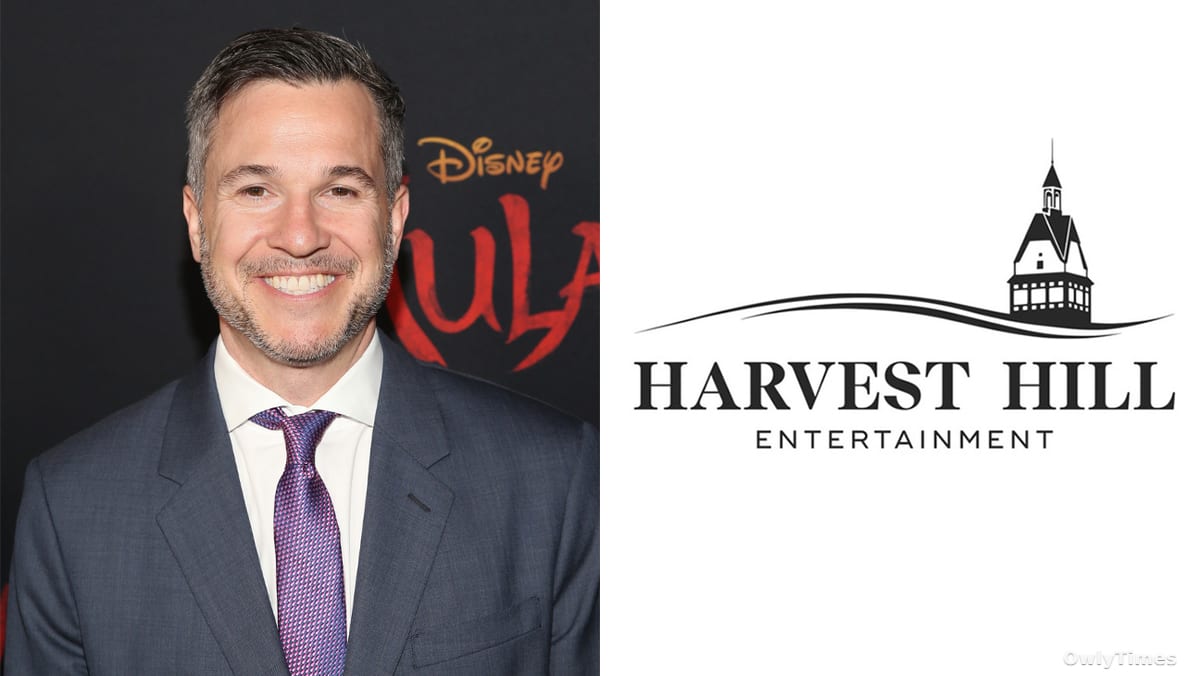

The chipped Formica of the diner booth felt cool under Jake Weiner’s elbows as he sketched out a potential deal on a napkin twenty-five years ago. Across from him, Chris Bender was already pacing, a whirlwind of energy even then. That diner, a greasy spoon in Los Angeles, wasn’t just a meeting place; it was ground zero for a partnership that would shape a generation of genre films, from the brutal elegance of David Cronenberg’s A History of Violence to the surprisingly sweet Just Friends with Ryan Reynolds. Now, that era is subtly, but definitively, shifting. Weiner has launched Harvest Hill Entertainment, stepping out from the shadow of Good Fear, the company he built with Bender, and into a new chapter that speaks volumes about the evolving power dynamics within Hollywood.
The End of an Era, and a New Kind of Independence
This isn’t a messy breakup, not exactly. The statements from both Weiner and Bender are steeped in mutual respect, emphasizing a “journey” and “creative collaborations to come.” But the launch of Harvest Hill, with a roster boasting Academy Award nominee Allison Schroeder (Hidden Figures, Minecraft) and New York Times bestselling novelist Jennifer Weiner (The Griffin Sisters’ Greatest Hits), signals a deliberate move towards a more focused, independent approach. For years, Weiner and Bender navigated the studio system, delivering everything from Disney’s live-action Mulan to smaller, critically acclaimed thrillers like Under the Silver Lake. Now, Weiner appears to be prioritizing a curated list of talent, leaning into voices that are both established and emerging – filmmakers like Zoe Simone (At Night) and Reid Antin (It Will Devour You) alongside seasoned directors like David Robert Mitchell (It Follows). This isn’t about abandoning the blockbuster; it’s about building a portfolio that reflects a specific artistic sensibility.
Drawn from The Hollywood Reporter.
The timing is crucial. Hollywood is in a state of flux, grappling with the fallout from the writers’ and actors’ strikes, the rise of streaming, and a growing demand for diverse storytelling. Established production companies are being absorbed by larger conglomerates, and independent voices are fighting for space. Weiner’s move feels less like leaving a successful entity and more like planting a flag in a landscape where creative control is increasingly valuable. He’s not just managing careers; he’s building a haven for storytellers who might not fit neatly into the pre-defined boxes of the studio system. The fact that he’ll continue to co-manage some clients with Good Fear – Kirill Sokolov (They Will Kill You) and Carly Stone (North of Normal) – suggests a desire to maintain a collaborative relationship while forging his own path.
Beyond the Credits: The Shifting Landscape of Production
The success of Benderspink, and later Good Fear, wasn’t just about identifying promising projects. It was about building relationships, fostering trust, and navigating the often-treacherous waters of Hollywood politics. Weiner and Bender’s ability to move between genres – from horror to comedy to family-friendly action – demonstrated a remarkable adaptability. But the industry has changed. The streaming wars have created a glut of content, making it harder for projects to stand out. The emphasis on data-driven decision-making has, in some cases, stifled creative risk-taking.
Harvest Hill’s focus on “bold, original stories” feels like a direct response to this trend. Weiner’s statement about returning to the roots of his passion, referencing “Harvest Hill” as the street where his storytelling began, isn’t just sentimental; it’s a declaration of intent. He’s signaling a commitment to projects that are driven by artistic vision, not just market research. The fact that several projects are already in motion – including executive producing Mitchell’s new thriller Flowervale Street and the sequel to It Follows, They Follow – demonstrates that this isn’t a slow burn. Weiner is hitting the ground running, leveraging his existing relationships and his reputation for quality.
A Legacy of Collaboration, and a Future of Choice
The industry narrative often frames these kinds of departures as power struggles or creative differences. But the genuine warmth in Bender’s statement – calling Weiner “an invaluable and trusted creative partner” – suggests a more nuanced reality. This feels like a natural evolution, a recognition that both individuals have distinct ambitions and that their paths, while still intertwined, are diverging. The fact that they’ll continue to collaborate on existing projects, like the Care Bears reboot at Warner Bros., underscores the enduring strength of their partnership.
What’s particularly interesting is the emphasis on mentorship and championing new voices. Weiner’s roster includes not only established talent but also emerging playwrights, screenwriters, and filmmakers. This suggests a desire to pay it forward, to create opportunities for the next generation of storytellers. In an industry often criticized for its exclusivity, this commitment to inclusivity is a welcome sign. The current market, with a reported 18% decrease in film production in the first quarter of 2024 compared to the previous year (according to FilmLA data), demands a fresh perspective and a willingness to take risks.
What Happens When the Producer Becomes the Brand?
Jake Weiner’s move to Harvest Hill isn’t just a career change; it’s a test case. Can a producer, known for their collaborative work, successfully establish themselves as a brand in their own right? The industry is increasingly focused on individual creators – showrunners, directors, and even actors – who can attract audiences and drive revenue. Weiner is betting that his reputation for quality, his commitment to original storytelling, and his ability to nurture talent will be enough to build a thriving independent production company. The question now is whether audiences, and more importantly, studios and streamers, will follow. Will Harvest Hill become a destination for bold, innovative projects, or will it be absorbed into the ever-expanding ecosystem of Hollywood consolidation? That’s the story to watch.