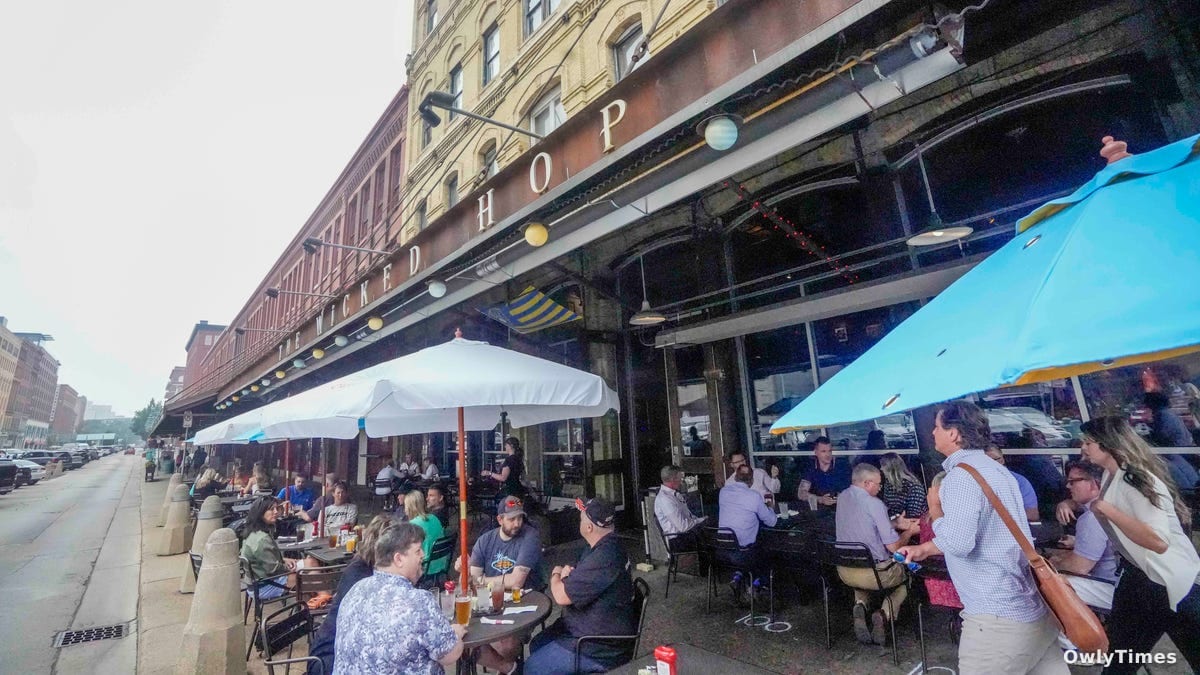

Beyond the Roach: What Restaurant Closures Reveal About Preventative Public Health
The temporary closure of The Wicked Hop in Milwaukee’s Third Ward wasn’t simply a matter of an unpleasant infestation; it’s a case study in how reactive our food safety systems often are, and the often-invisible vulnerabilities within shared building infrastructure. While headlines focused on the discovery of cockroaches – and the subsequent reopening after remediation – the incident highlights a critical gap in preventative measures for restaurants, particularly those operating within older, multi-tenant buildings. The fact that the initial discovery occurred during a routine inspection of another facility sharing a basement with the restaurant underscores the potential for problems to remain undetected until a critical threshold is breached.
This piece references the jsonline.com report.
On February 25th, routine inspection at a neighboring facility led Milwaukee Health Department inspectors to discover dead cockroaches in a shared basement space at 345 N. Broadway. This prompted an inspection of The Wicked Hop, where live roach activity was observed in the kitchen, leading to an immediate suspension of food sales. A follow-up inspection on February 26th confirmed continued “live roach activity.” The restaurant swiftly announced its closure on Facebook, detailing the engagement of pest control professionals, a deep cleaning, and the implementation of preventative measures. By March 2nd, The Wicked Hop declared its reopening, stating they had met all required health standards. This swift response is commendable, but the sequence of events begs the question: why were conditions allowing for a cockroach infestation not identified before live insects were observed in the kitchen?
The narrative often presented to the public focuses on a restaurant failing to maintain cleanliness. However, the shared basement scenario introduces a layer of complexity. Cockroaches thrive in dark, damp environments, and a shared basement, particularly in older buildings, can provide ideal breeding grounds regardless of the individual tenant’s hygiene practices. The Health Department’s statement to the Milwaukee Journal Sentinel confirms this, noting the initial discovery wasn’t at The Wicked Hop, but in a connected space. This isn’t to absolve the restaurant of responsibility – maintaining a pest-free environment is paramount – but to illustrate that a solely reactive inspection model can miss systemic issues. The current system relies heavily on responding to complaints or conducting routine inspections of individual businesses, rather than proactively assessing the vulnerabilities of shared infrastructure.
It’s important to contextualize this incident within broader trends. According to data from the Food and Drug Administration, approximately 20% of foodborne illness outbreaks are linked to restaurants, and while cockroaches aren’t typically direct vectors of disease, their presence indicates unsanitary conditions that can contribute to contamination. The number of restaurant closures due to health violations in Milwaukee County fluctuates annually, but consistently remains in the dozens, suggesting this isn’t an isolated event. The Wicked Hop’s response – a full treatment and preventative measures – is the expected course of action, and their Facebook post emphasizing the health and safety of guests and staff (“The health and safety of our guests and staff is, and always will be, our top priority”) reflects industry best practices. However, the cost of remediation and lost revenue during the closure likely represents a significant burden for the business.
Limitations to consider include the lack of publicly available data regarding the specific preventative measures implemented by The Wicked Hop. The Facebook post is reassuring, but details regarding the scope of the pest control treatment, the sealing of potential entry points in the shared basement, and ongoing monitoring protocols are absent. Furthermore, the Health Department’s inspection reports are not readily accessible to the public, hindering independent verification of the remediation efforts. This opacity limits the ability to assess the long-term effectiveness of the measures taken.
Looking ahead, the focus should shift towards incorporating infrastructure assessments into routine restaurant inspections, particularly in buildings with shared spaces. This could involve requiring landlords to demonstrate proactive pest management strategies for common areas, or mandating regular inspections of shared basements and utility corridors. The question now is whether the Milwaukee Health Department will leverage this incident to re-evaluate its inspection protocols and prioritize preventative measures, or if The Wicked Hop’s reopening will simply mark a return to business as usual, leaving other restaurants vulnerable to similar challenges. Will we see a pilot program for shared-space inspections in the Third Ward, or will it take another closure to prompt action?





