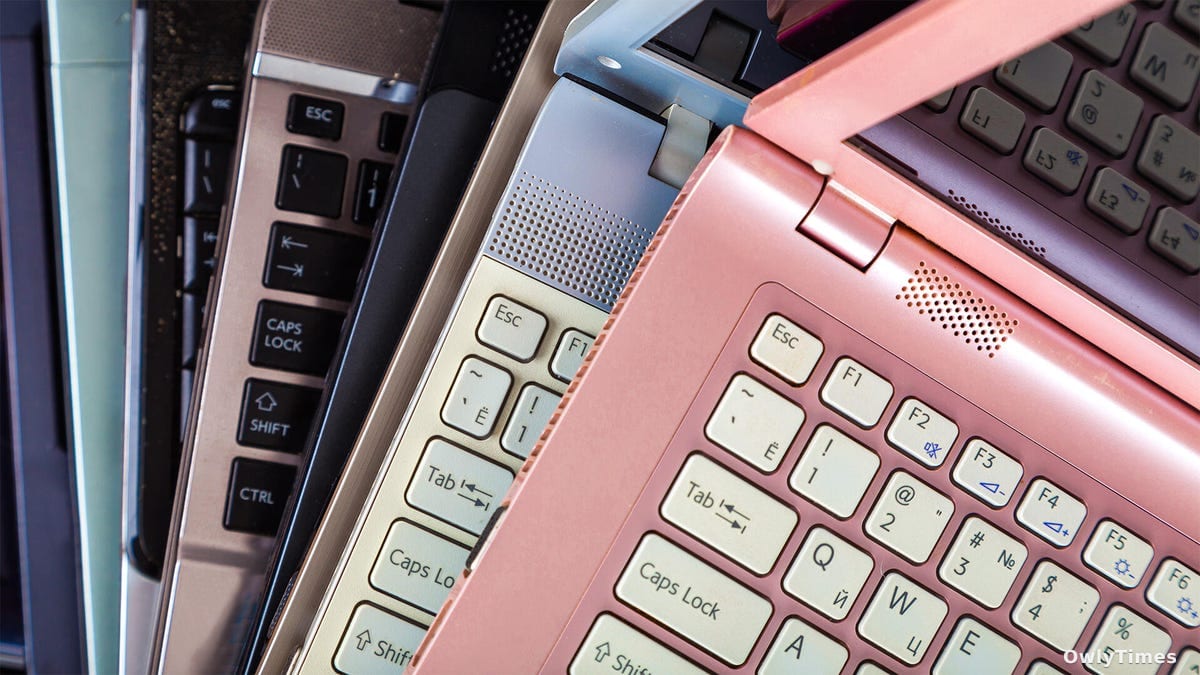

Are we really celebrating “deals” on technology that’s already been declared obsolete? The current rush to hawk used and refurbished computers still running Windows 10 feels less like savvy shopping and more like a digital fire sale of security vulnerabilities. Geoffrey Morrison of CNET recently highlighted this troubling trend, and the real story here isn't the low price tag – it's the looming threat to your data and privacy. We’ve entered an era where the cost of convenience is increasingly measured in compromised security, and the Windows 10 situation is a stark warning.
Microsoft officially ended support for Windows 10 on October 14, 2025. This isn’t just about missing out on new features; it’s about the cessation of security updates. Think of it like this: your house has a lock, but the locksmith has gone out of business. Sure, the lock might still hold, but every known vulnerability remains unaddressed, a welcome mat for anyone with malicious intent. Morrison, a veteran tech writer with a background in audio production and a surprisingly adventurous travel blog, points out the stakes are high – access to your email, bank accounts, and even your identity are all potentially at risk. He’s seen this cycle before, building computers since the early ‘90s, and his warning isn’t hyperbole.
The sheer volume of Windows 10 machines still circulating is the first red flag. If Microsoft mandated an upgrade to Windows 11 (which, thankfully, is free if your hardware allows), why are these older systems still readily available? The answer, as Morrison explains, is simple: they likely can’t run Windows 11. These are machines with older processors, lacking the necessary Secure Boot, Trusted Platform Module (TPM), or UEFI compatibility. They represent the digital equivalent of a stranded asset, and someone is actively trying to pass that asset onto you. A computer manufactured before 2019 is particularly suspect, but even newer models can fall short of the requirements.
Don’t be lulled into a false sense of security by potential workarounds. While some motherboards can have Secure Boot and TPM enabled through the BIOS, relying on this is a gamble. It requires technical know-how and a seller willing to be honest about the system’s capabilities. The onus shouldn’t be on the buyer to fix a problem the seller should have addressed. And let’s be clear: the fact that a seller didn’t upgrade to Windows 11 should be a major warning sign. It speaks to a lack of care, or worse, a deliberate attempt to offload outdated hardware. The average upgrade, Morrison notes, takes about 20 minutes, even on a six-year-old desktop.
Drawn from cnet.com.
There’s one, and only one, scenario where a Windows 10 computer is acceptable: complete and permanent disconnection from the internet. If you need a dedicated offline machine for a highly specific purpose – say, controlling vintage industrial equipment – then the security risks are mitigated. But for the overwhelming majority of users, who rely on the internet for everything from email to streaming video, Windows 10 is a liability. Even the computer itself will attempt to connect for driver updates and software patches, rendering the offline argument moot.
The price difference between a refurbished Windows 11 machine and a tempting Windows 10 deal is often negligible. Paying a little extra for a supported operating system isn’t just about future-proofing your purchase; it’s about protecting your digital life. The current market is flooded with these older machines, and the temptation to save a few dollars is strong. But consider this: how much is your peace of mind worth? How much is your data worth?
Here’s what to watch for in the next six months: a surge in reported malware infections targeting Windows 10 users. As the operating system ages and becomes increasingly vulnerable, it will become a prime target for cybercriminals. Don’t wait for the headlines to convince you. The time to avoid the Windows 10 trap is now.