
Is the narrative around the war in Iran all wrong? We’re told to focus on oil prices, on disrupted shipping lanes, on the immediate geopolitical fallout. But the real story here isn’t about who’s benefiting right now from higher crude – it’s about how this conflict is quietly accelerating a long-term power shift, one that favors China while exposing the surprisingly fragile foundations of Russia’s economic resilience. Everyone’s fixated on the short-term oil shock, but they’re missing the tectonic plates moving beneath the surface.
The initial assessment – that surging oil prices and eased US sanctions would be a boon for Moscow – appears logical on the surface. Yet, a closer look reveals a far more precarious situation. While the war-driven oil windfall currently sits around $5 billion per month, it’s barely a dent in Russia’s fiscal deficit, which ballooned to $40 billion in January and February alone – a staggering 90% of its annual target. The Kremlin is already scrambling to implement a 10% cut in “non-sensitive” spending, hoping to salvage up to $25 billion this year. This isn’t a windfall; it’s a desperate attempt to plug holes in a sinking ship.
The problem isn’t just about money, it’s about volume and infrastructure. Over 12 years of sanctions have taken their toll, leaving Russia with a paltry 300,000 barrels per day of spare oil capacity. That’s a drop in the bucket compared to the 10-15 million barrels per day lost due to disruptions in Gulf exports. And with no clear end to the conflict in sight, investment in new capacity remains stalled. Add to that the increasingly brazen Ukrainian drone strikes reaching the Caspian Sea, and you have a recipe for sustained supply constraints, not a surge in revenue. The narrative of a resurgent Russian oil economy is, frankly, wishful thinking.
See the original ecfr.eu story for the full account.
The recent US decision to grant a 30-day waiver for Russian crude sales to India further underscores this point. As Senior Policy Fellow at the European Council on Foreign Relations points out, “Washington is not unlocking new Russian oil supply—it is only greenlighting deals India had already lined up.” This isn’t about helping Russia; it’s about facilitating existing trade flows and preventing further disruption to global markets. It’s a political maneuver disguised as economic relief.
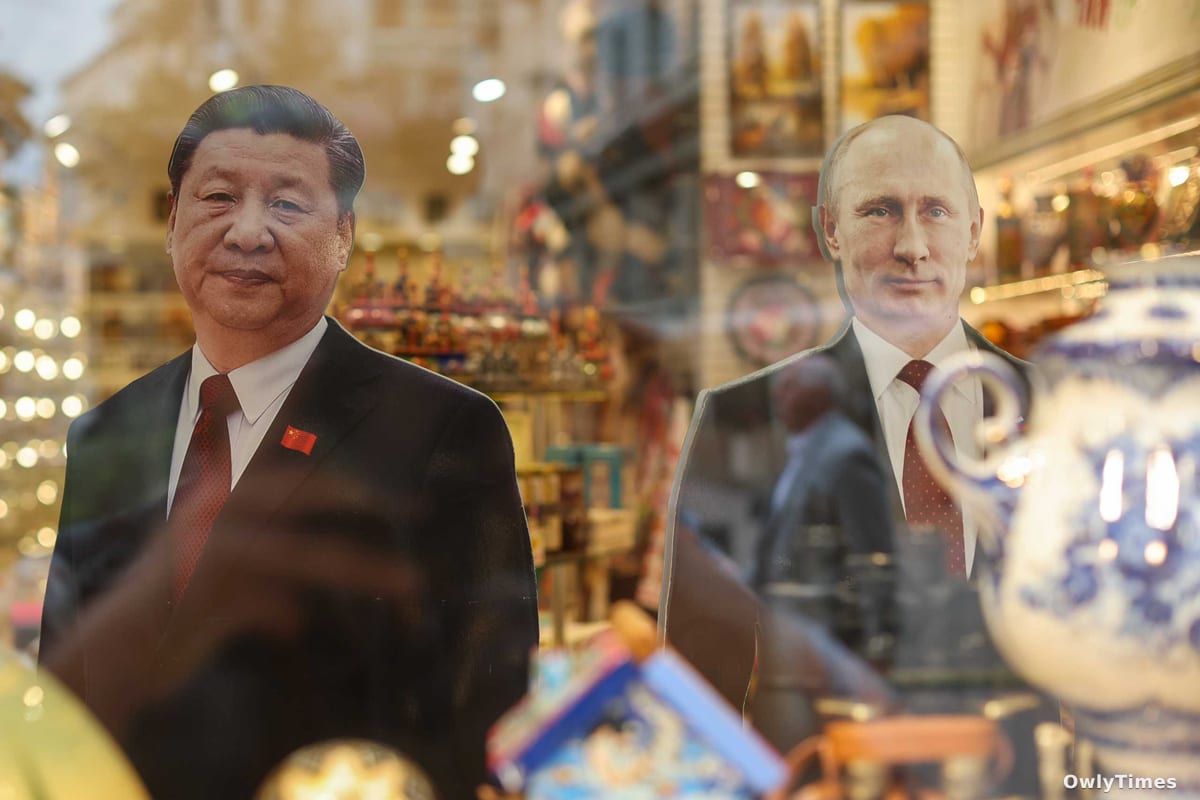
Losing access to the Arab Gulf and Iran is another significant blow for Moscow. The UAE has been a key facilitator of sanctions evasion, and Iran a vital market for Russian defense and nuclear technology, notably regarding the stalled Bushehr-2 nuclear plant construction. This loss forces Russia to lean even more heavily on China, a dependence that comes with its own set of risks and limitations. It’s a strategic corner Moscow is rapidly painting itself into.
While China undeniably feels the pain of disrupted oil flows through the Strait of Hormuz, its position is fundamentally different. The conflict actually validates Beijing’s long-term bet on electrification. With electricity accounting for 30% of its energy consumption – 50% higher than the US or Europe – China is far better insulated from oil price spikes. More importantly, the war turbocharges the global energy transition, a market where Chinese firms already dominate, manufacturing around 70% of worldwide clean-tech supplies. This isn’t a crisis for China; it’s an opportunity.
Looking ahead, the conflict could even give China significant leverage in upcoming trade negotiations with the US. President Trump’s anticipated trip to Beijing will likely see Chinese policymakers holding a powerful card: the US military’s reliance on China for critical raw minerals, particularly rare earths, of which the US holds only about two months of stock. The irony isn’t lost on observers – a war launched by the US could inadvertently normalize non-dollar energy sales, something China has been striving for years to achieve. Early reports suggest Iran may allow some tanker traffic through Hormuz, but only if transactions are settled in renminbi, further eroding the dollar’s dominance.
Finally, consider the reconstruction efforts that will inevitably follow the conflict. China, with its Belt and Road Initiative experience, is poised to become a key partner in rebuilding ports, energy facilities, and desalination plants in the Gulf region. This isn’t just about economic gain; it’s about expanding China’s geopolitical influence in a strategically vital area.
The war in Iran isn’t a simple story of winners and losers. While Russia enjoys a temporary oil windfall, its underlying economic vulnerabilities are exposed. China, despite initial disruptions, emerges stronger, with a validated energy strategy, increased leverage in trade negotiations, and a foothold in the post-war Gulf. Conflicts rarely unfold as their architects intend, and this one is reshaping the global order in ways that benefit Beijing far more than Moscow.
Here’s what to watch for: in the next six months, pay attention to whether China begins actively pushing for renminbi-denominated oil contracts with other major producers beyond Iran. If that happens, it won’t be a sign of a collapsing dollar – yet – but a clear signal that the tectonic plates have shifted, and the world is moving towards a multi-currency energy future.