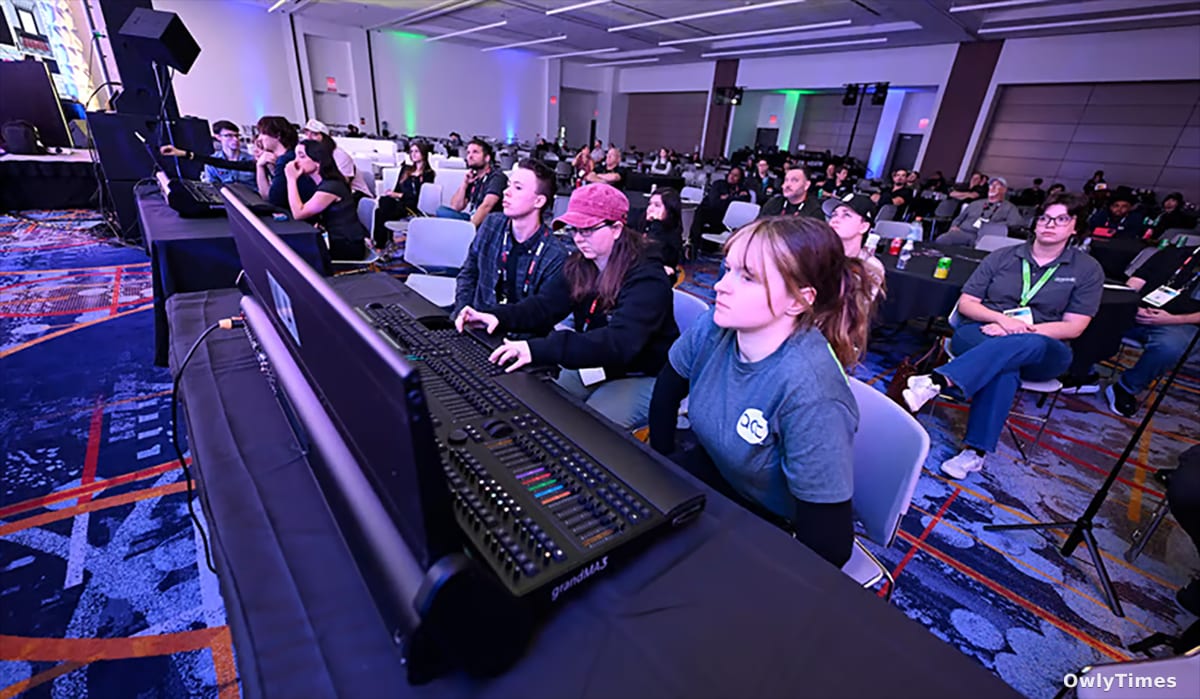

The scent of burnt coffee and anticipation hung thick in the air of the Long Beach Convention Center on March 18th, the opening night of the USITT Stage Expo. But this wasn’t just another trade show; it felt like a pressure valve releasing after years of pandemic-induced uncertainty for the live entertainment industry. While the lights dimmed for the opening showcase, ACT Entertainment wasn’t just showcasing its latest tech – they were making a very public, and substantial, bet on the future of a workforce grappling with a radically changed landscape. Their premier sponsorship of the event, announced on March 4th, isn’t simply a business move, it’s a recognition that the industry’s biggest challenge isn’t what technology is available, but who will know how to wield it.
The live entertainment sector, encompassing theatre, concerts, corporate events, and everything in between, was already facing a skills gap before 2020. The pandemic, however, accelerated the exodus of experienced technicians and designers, many of whom sought stability in other fields. Now, as demand surges – live events revenue is projected to reach $138.4 billion in 2026, a 23% increase from 2023 according to a recent report by IBISWorld – the industry is scrambling to rebuild its talent pipeline. ACT Entertainment’s investment, spearheaded by Ryan Hindinger, Market Manager, Lighting, isn’t about filling immediate sales quotas; it’s about ensuring there are professionals equipped to buy and operate their increasingly complex systems in the years to come. “USITT represents the next generation of designers, programmers and technicians who will shape the future of live entertainment,” Hindinger stated, a sentiment that underscores a growing industry awareness: the future isn’t built on products, it’s built on people.
See the original mixonline.com story for the full account.
Beyond the sponsorship of the Opening Night Reception – a classic industry networking opportunity – ACT is doubling down on practical skills development. The sold-out Professional Development Workshop on moving light repair, led by Bruce Hamburg from ACT’s Burbank location, speaks volumes. This isn’t about selling new fixtures; it’s about extending the lifespan of existing equipment, a crucial consideration for schools and smaller venues operating on tight budgets. The workshop isn’t just a nice-to-have; it’s a direct response to the rising cost of replacement parts and the increasing complexity of modern lighting systems. Similarly, the ACT Academy sessions, covering everything from Green Hippo’s Hippotizer media servers to the intricacies of the grandMA3 lighting console, aren’t product demos disguised as education. They’re intensive, hands-on training designed to bridge the gap between academic theory and the demands of a professional production environment.
The focus on emerging technologies like real-time tracking systems – demonstrated in a session led by Dustin Barnes – and timecode programming within grandMA3 reveals a deeper understanding of where the industry is headed. These aren’t niche tools anymore; they’re becoming integral to creating immersive and dynamic live experiences. But mastering these technologies requires specialized training, and that’s where ACT is positioning itself as a key partner. The panel discussion, “Futureproofing Your Lighting Career,” led by Miles Dudgeon, is perhaps the most telling. It acknowledges the fundamental tension facing educational institutions: how to balance the preservation of traditional theatrical skills with the need to prepare students for a future dominated by digital workflows and integrated systems. It’s a conversation the industry desperately needs to have, and ACT is actively facilitating it.
This isn’t simply altruism. ACT Entertainment’s strategy is a shrewd recognition that a thriving ecosystem benefits everyone. A well-trained workforce translates to increased demand for their products and services, and a stronger, more innovative industry overall. But the move also highlights a broader trend: the increasing responsibility being placed on private companies to address systemic workforce development challenges. As public funding for arts education dwindles and the skills gap widens, companies like ACT are stepping in to fill the void, not just as vendors, but as active participants in shaping the future of live entertainment. The question now is whether this model – corporate-sponsored, skills-focused training – will become the new normal, and if it can truly address the long-term needs of an industry demanding a new generation of technically proficient and creatively driven professionals.