
50% Oil Price Spike Signals a Return to 2022 Inflationary Pressures
A 50% surge in Brent crude oil prices in under three weeks isn’t merely an energy shock; it’s a flashing warning signal of broader economic disruption echoing the inflationary pressures seen after Russia’s 2022 invasion of Ukraine. While immediate attention focuses on fuel costs, a deeper look – following the money from the Strait of Hormuz – reveals a cascading impact poised to hit food prices and key manufacturing sectors, particularly agriculture and aluminum. The current crisis, triggered by escalating tensions following the US-Israeli action against Iran and Iran’s subsequent disruption of shipping lanes, isn’t isolated to energy markets; it’s a systemic stress test revealing critical vulnerabilities in global supply chains.
Original reporting: atlanticcouncil.org.
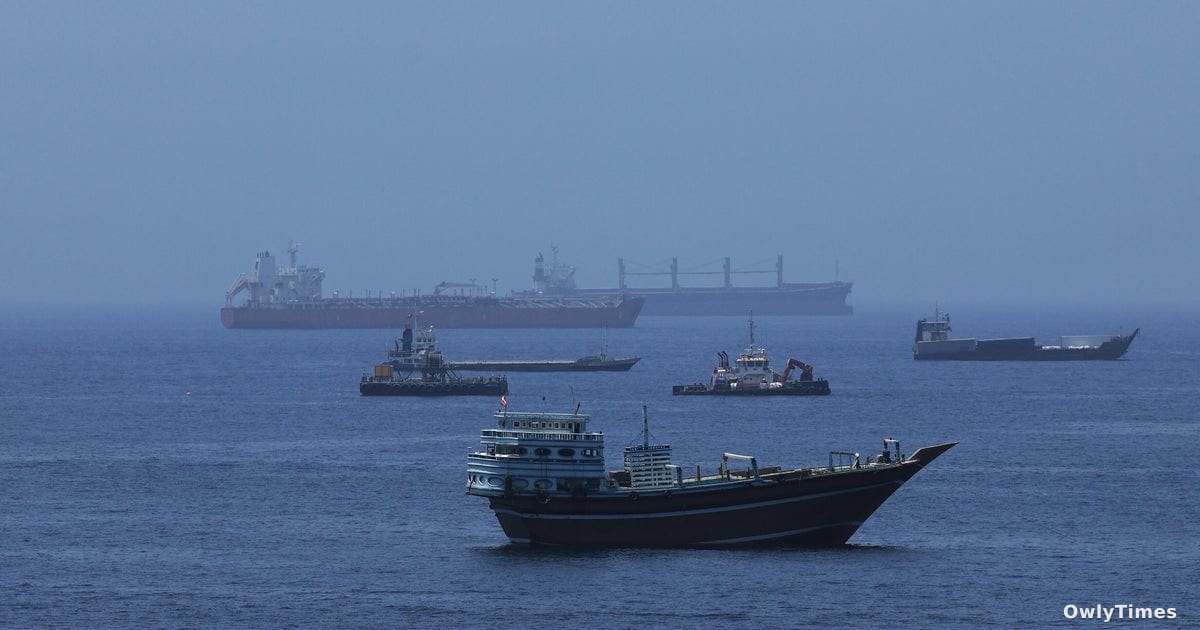
The parallels to 2022 are stark. Then, Brent crude jumped roughly 70% between December 2021 and March 2022, accompanied by a 60%+ rise in wheat prices and significant increases across a range of industrial metals. This time, the catalyst is different – a geopolitical flashpoint in the Middle East – but the mechanism is the same: constricted supply routes driving up costs. Roughly twenty million barrels of petroleum liquids and substantial LNG supplies, approximately one-fifth of global consumption, transit the Strait of Hormuz daily. The near-closure of this vital artery isn’t just about barrels of oil; it’s about the economic arteries feeding industries worldwide.
The most immediate and concerning impact lies in the fertilizer market. Persian Gulf nations supply nearly half the world’s seaborne urea and 30% of global ammonia demand, with roughly one-third of all fertilizer traversing the Strait of Hormuz. Consequently, urea prices have already risen by over 50% in the last three weeks. This isn’t an abstract price increase; LNG, accounting for up to 70% of nitrogen-rich fertilizer production costs, is now significantly more expensive, directly impacting farmers’ input costs as they enter the critical Northern Hemisphere planting season. The timing couldn’t be worse, as fertilizers ordered in March must be applied in April or May for optimal corn yields.
The vulnerability is particularly acute for the United States, responsible for one-third of global corn production. Delayed fertilizer shipments threaten this season’s planting, prompting analysts to predict a potential shift of up to 1.5 million acres from corn to soybeans – a less nitrogen-intensive crop. This isn’t simply a farmer’s decision; it’s a macro-level adjustment with ripple effects. Reduced corn supply will inevitably translate to higher prices for corn-based products, including livestock feed, impacting beef, dairy, and poultry prices. In 2025, beef prices already rose 15% in the US, and projections for 2026 indicate a 3.1% increase in overall food prices – figures likely to be exacerbated by the fertilizer crisis. This burden will disproportionately fall on low-income households, who already allocate nearly one-third of their disposable income to food.
The impact extends far beyond US borders. Developing countries, lacking strategic reserves and fiscal buffers, are even more vulnerable to fertilizer price shocks. The UN World Food Programme (WFP) estimates that an additional 45 million people could face acute hunger if the conflict in Iran persists – a figure alarmingly close to the 47 million projected after Russia’s invasion of Ukraine. This highlights a disturbing pattern: geopolitical instability directly translates to food insecurity, particularly in regions already grappling with economic hardship. The situation underscores the fragility of global food systems and the urgent need for diversified supply chains.
While agriculture faces the most immediate threat, the aluminum sector is also feeling the strain. Gulf Cooperation Council countries account for 20% of global raw aluminum exports and 8% of production. The initial price spike of roughly 15% following the attack on Iran has eased to around 6%, thanks to spare capacity in other producing nations like Canada and Australia. However, this increase will likely be passed on to consumers, inflating the cost of aluminum-intensive goods like vehicles and appliances. The resilience of the aluminum sector, while present, isn’t guaranteed, and sustained disruption could lead to further price increases.
The recurring pattern of supply shocks – COVID-19, Ukraine, and now the Strait of Hormuz – reveals a fundamental flaw in the global economic architecture: over-reliance on concentrated supply chains. These disruptions aren’t anomalies; they are becoming defining features of the global economy, fueled by rising geopolitical tensions and climate events. Building resilient, diversified, and strategically buffered supply chains is no longer a matter of efficiency; it’s a prerequisite for global economic stability. The question now isn’t if another shock will occur, but when – and whether governments and businesses will proactively address these systemic vulnerabilities before the next crisis hits your wallet.