
€2.391 and Counting: How Iran’s Strait of Hormuz Closure is Reviving the Windfall Tax Debate
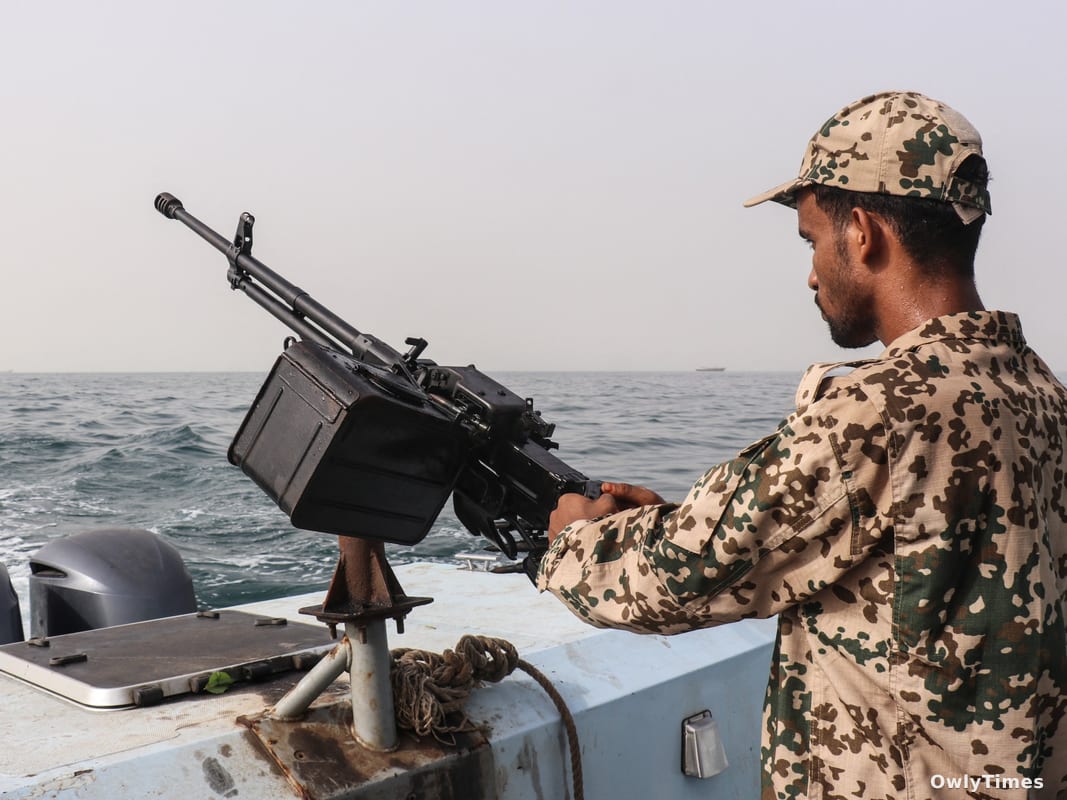
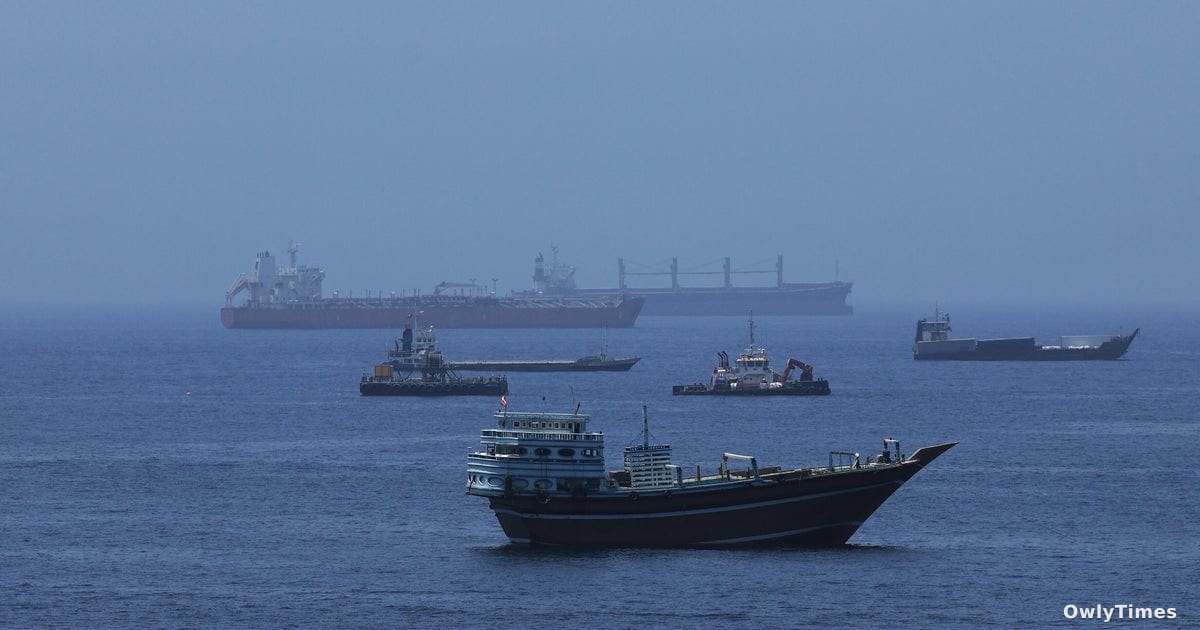
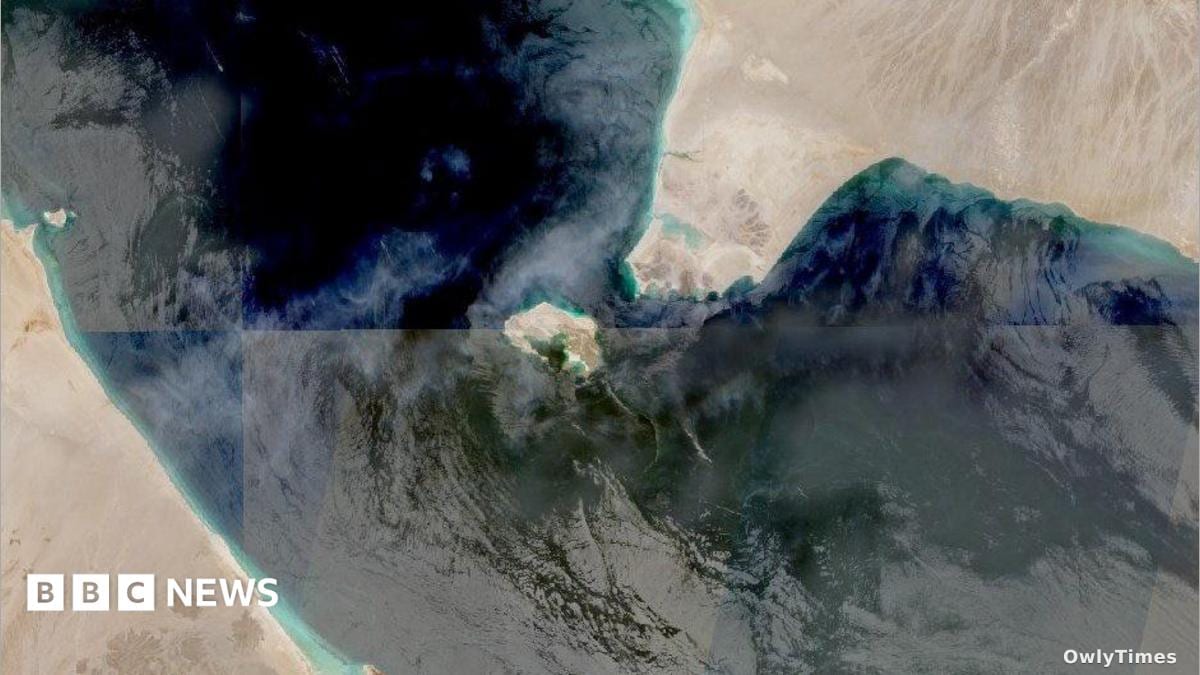
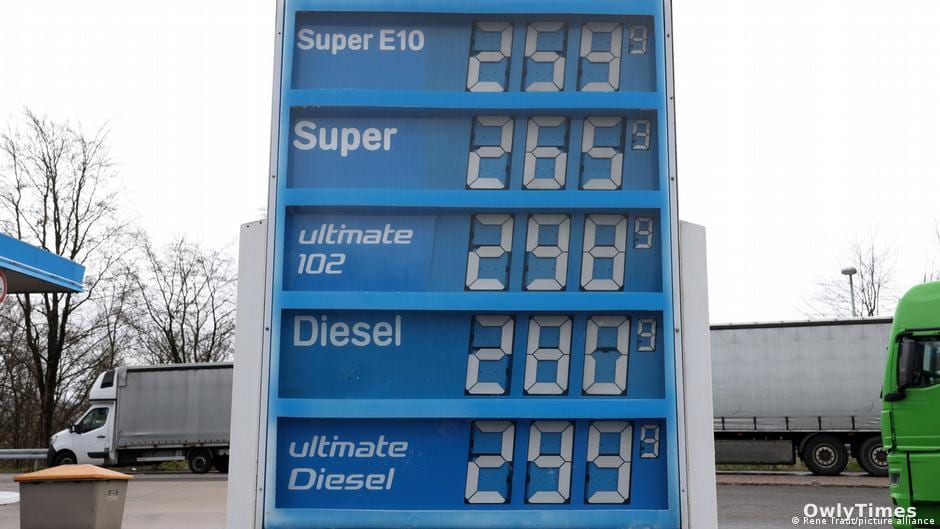
€2.391. That’s the price, in Euros, per liter of diesel fuel in Germany as of Friday – a new all-time high according to the automobile association ADAC, and a stark indicator of the escalating energy crisis gripping Europe. While headlines focus on shipping disruptions through the Strait of Hormuz following Iranian retaliation against recent strikes, the real story lies in the political pressure building for a renewed tax on energy company profits. Follow the money, and you’ll find a coalition of European finance ministers, led by Lars Klingbeil of Germany, actively pushing for a mechanism to redistribute wealth generated by geopolitical instability.
The urgency stems from a 70% surge in European gas prices since February 28th, directly linked to the heightened tensions in the Middle East. This isn’t simply a regional issue; even nations less reliant on Strait of Hormuz transit are feeling the pinch. The joint letter sent Saturday to EU Climate Commissioner Wopke Hoekstra by the finance ministers of Germany, Austria, Italy, Portugal, and Spain isn’t a plea for sympathy, but a calculated move to preemptively address consumer backlash and curb inflation. The ministers explicitly frame a windfall tax not as punishment, but as a “clear message” that those benefiting from the crisis have a responsibility to mitigate its impact.
This piece references the dw.com report.
This echoes the emergency measures implemented in 2022 following Russia’s invasion of Ukraine. That earlier intervention included a tax on energy company windfall profits, alongside gas price caps and demand reduction targets. The success – or lack thereof – of those measures is now being intensely scrutinized. While the 2022 tax provided some short-term relief, it also faced criticism for its complexity and potential to disincentivize investment. The current proposal, however, aims for an EU-wide, legally sound framework, suggesting a lesson learned from the fragmented approach of the previous crisis. Dan Jorgensen, EU Energy Commissioner, has already indicated the bloc is actively considering similar measures, signaling a willingness to revisit the playbook.
The core tension here isn’t simply about price volatility, but about the political optics of energy company profits during a period of widespread economic hardship. While companies are operating within a market responding to legitimate supply constraints, the perception of excessive profiteering is a potent political liability. The ministers’ letter explicitly links the tax to “financing temporary relief, especially for consumers,” acknowledging the need to shield citizens from the worst effects of rising costs. This is particularly critical given Europe’s continued reliance on fossil fuel imports, despite significant investments in renewable energy sources. The shift away from Russian energy has been partially offset by increased imports from the Gulf, but the Strait of Hormuz crisis demonstrates the fragility of that alternative supply chain.
What this means for your wallet: Expect increased scrutiny of energy company earnings reports in the coming weeks. More importantly, watch for the EU Commission’s response to the finance ministers’ letter. Will they prioritize a swift, unified tax on windfall profits, or will bureaucratic hurdles and internal disagreements delay action? The speed and scope of the EU’s response will directly determine whether European consumers bear the brunt of this crisis, or whether a portion of the increased profits are redirected to alleviate the financial strain. The key question isn’t if a tax will be implemented, but how effectively it will address the underlying problem of energy insecurity and affordability.