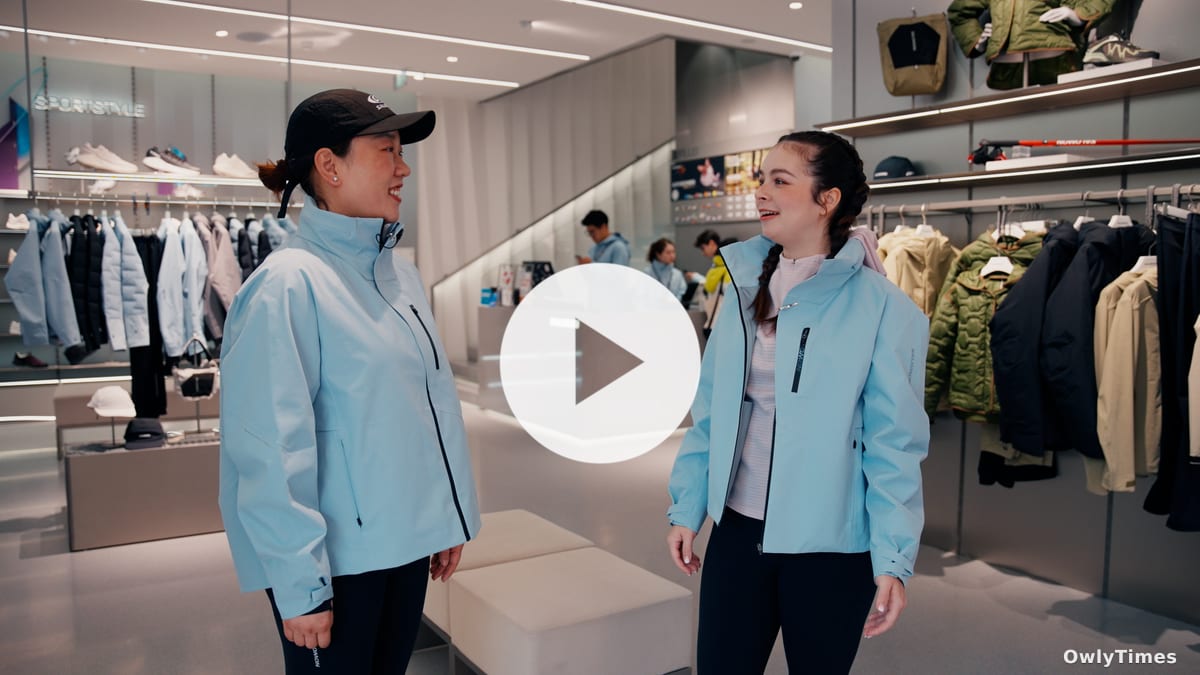

The neon hum of Shanghai’s commercial districts has long been the ultimate litmus test for global brands, but the latest move from Amer Sports suggests a shift from mere visibility to total immersion. As the company pulls back the curtain on its new video series, “Inside Amer Sports,” it is clear that the strategy is no longer just about moving inventory; it is about anchoring these high-performance labels into the daily rhythms of local neighborhoods. By stepping away from the sterile, transactional nature of traditional retail, the company is betting that the future of the industry lies in how deeply a brand can integrate itself into a community’s identity.
A Blueprint for Modern Retail in Shanghai
The inaugural episode of the series serves as a guided tour through the company’s retail ecosystem, focusing on the specific pulse of Shanghai. This isn't a glossy commercial, but rather a deliberate showcase of retail excellence that highlights how the company balances the distinct personalities of its portfolio. Viewers are taken through a curated selection of brand stores, including the Arc’teryx Museum store, the Salomon flagship store in Xintiandi, and the Salomon Anfu Road store. By spotlighting these specific locations, the company reveals how it tailors the physical environment to meet the sophisticated expectations of the modern consumer.
The footprint extends beyond the technical prowess of outdoor gear into the lifestyle space, as seen in the Wilson Jing’An Kerry store and the Peak Performance Jing’An Kerry store. These locations are designed to function as community hubs rather than simple points of sale. By choosing to anchor its narrative in these high-traffic, culturally significant zones, the organization is signaling a move toward experience-driven environments. This approach reflects a broader societal pivot where the value of a physical storefront is defined by the quality of the interaction, not just the square footage of the sales floor.
Beyond the Transactional Facade
What makes this series compelling is the focus on the local teams who breathe life into these spaces. The behind-the-scenes moments captured in the video offer a rare look at the human labor required to maintain such high-level retail standards. In an era where digital commerce dominates, the decision to invest this heavily in physical, immersive environments creates a distinct contradiction to the "retail apocalypse" narrative that has haunted the industry for years. It suggests that if a brand can offer a sensory experience that cannot be replicated by a screen, the physical store remains a powerful, if not essential, engine for growth.
Connecting these brands to the local community is a delicate task that requires more than just premium architecture. The conversations featured in the series highlight a shift toward creating environments that invite the consumer to linger. Whether it is the technical requirements of the outdoor enthusiast or the lifestyle preferences of the urban shopper, the strategy relies on bridging the gap between product utility and cultural relevance. The success of this model will be determined by the ongoing performance metrics of these specific Shanghai locations, which will serve as the primary indicator of whether this high-touch retail strategy can be scaled to other global markets.