
The aroma of hot dogs and freshly cut grass usually signals a carefree spring, but a new Ipsos poll paints a more complicated picture of America’s relationship with sports. While fandom itself remains remarkably stable – 68% of Americans identify as fans, consistent with the past three years – a growing unease is bubbling beneath the surface. It’s not a rejection of the games themselves, but a creeping disillusionment with the forces around them: the rising cost, the fragmented viewing experience, and, increasingly, the shadow of sports betting. This isn’t just about numbers; it’s about a fundamental shift in how Americans perceive the integrity and accessibility of the games they love.
The Price of Admission: More Than Just a Ticket
The poll reveals a widespread belief that sporting events and tickets are simply too expensive. A staggering 76% of Americans and 84% of sports fans agree with this sentiment, a figure largely unchanged from last year. But the financial burden extends beyond the stadium gates. Both groups also lament the proliferation of streaming services required to follow their favorite teams, with 63% now believing there are too many platforms needed to watch live sports – up from 58% in February 2025. This isn’t merely a complaint about convenience; it’s a symptom of a broader economic anxiety. For many families, the cost of being a fan – tickets, subscriptions, merchandise – is becoming a luxury they can no longer afford, effectively pricing them out of a cultural experience that once felt universally accessible. Robert Jones, a father of two from Ohio, told me in a follow-up interview, “It used to be a family tradition to go to a baseball game every summer. Now, with everything else going up, it’s just… not realistic.”
This piece references the ipsos.com report.
Betting on Trouble: Integrity Concerns Escalate
Perhaps the most striking finding is the surge in concern over sports betting. A majority – 56% – now believe that sports betting lessens the integrity of the game, a significant jump from 49% in November 2025 and a dramatic increase from the 37% who felt that way in 2023. This isn’t just abstract worry; it’s fueled by a growing awareness of potential scandals and the perceived vulnerability of athletes and the games themselves to manipulation. The poll also shows a shift in public opinion regarding the freedom to gamble, with more Americans now believing sports betting is wrong because it promotes addiction (47%) than those who believe people should be able to spend their money as they choose (50%). For the first time since Ipsos began tracking this data, opposition to online sports betting now outweighs support (44% vs. 25%). This isn’t a blanket rejection of personal freedom, but a growing recognition that the potential societal costs of widespread sports betting may outweigh the benefits.
The NIL Shift: A Cooling of Enthusiasm?
The landscape of college athletics is also undergoing a reevaluation. While support for Name, Image, and Likeness (NIL) deals for college athletes remains positive – 48% support, 26% oppose – it has softened since September 2025, when 58% showed support. This decline likely reflects the complexities and controversies that have emerged surrounding NIL, including concerns about unequal opportunities and the potential for professionalization to overshadow the “student” in “student-athlete.” The poll also reveals a surprising level of skepticism about the very concept of the student-athlete, with a plurality (43%) stating they are unsure if it’s even possible for athletes to truly balance academics and athletics. This isn’t necessarily a condemnation of NIL, but a signal that the fundamental model of college sports is being questioned.
Lukewarm for the World Cup and a Return to Roots
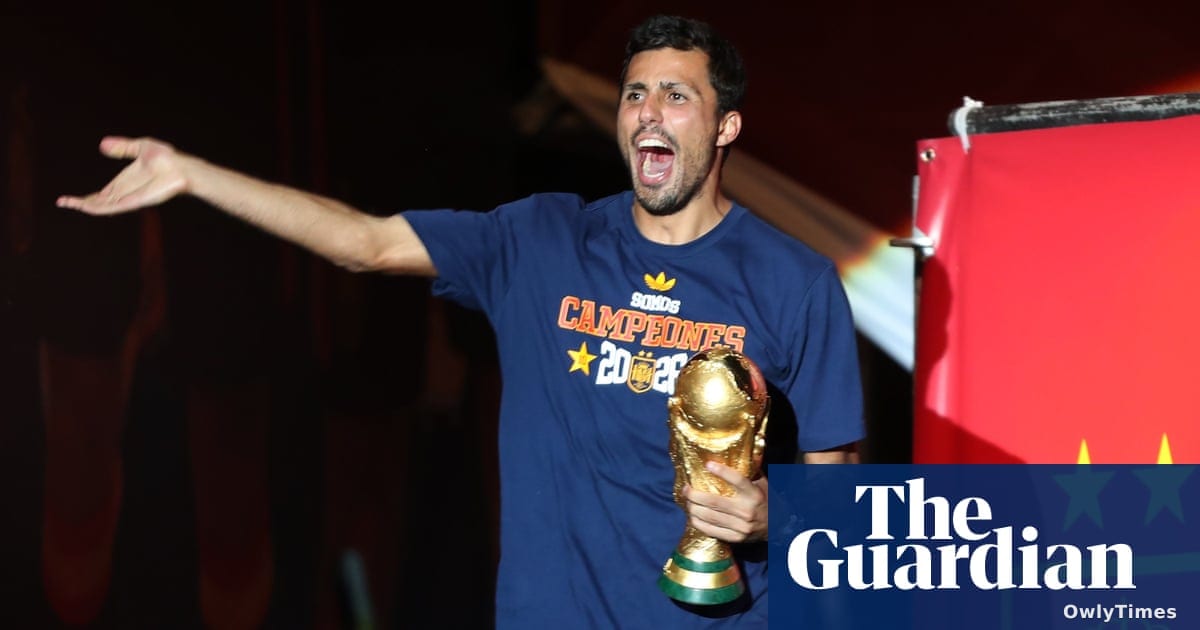
Even the anticipation for the 2026 World Cup, hosted jointly by the US, Canada, and Mexico, is surprisingly muted. Only 28% of Americans express interest, down from 34% last September, and just 31% plan to watch. This lack of enthusiasm could be attributed to a number of factors, including the distance of some matches and the ongoing dominance of other sports in the American market. Interestingly, the poll also highlights a return to traditional forms of sports participation. While professional sports viewership remains strong, 51% of Americans reported playing a sport in 2025, with cornhole, bowling, and swimming topping the list. This suggests a desire for more accessible, community-based athletic experiences, a counterpoint to the increasingly expensive and commercialized world of professional sports.
Beyond the headlines, this Ipsos poll reveals a growing disconnect between the spectacle of modern sports and the values of the average fan. It’s not that people are falling out of love with the games, but that they’re becoming increasingly wary of the forces reshaping them. The question now is whether leagues and organizations will heed this warning and prioritize accessibility, integrity, and a genuine connection with their fan base – or continue down a path that risks alienating the very people who sustain them. Will we see a concerted effort to address the rising costs and fragmented viewing experience, or will the pursuit of profit continue to take precedence? The future of sports fandom may depend on the answer.