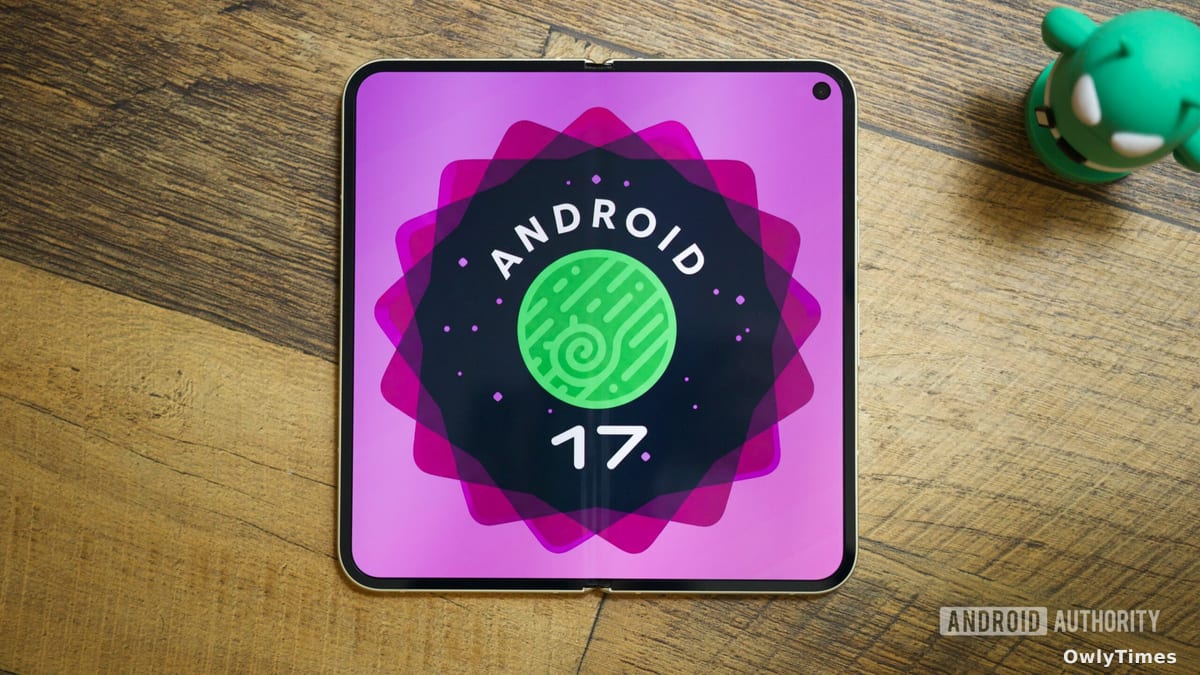

Is your phone secretly exhausted? We spend so much time obsessing over megapixel counts and foldable screens, but the real battle for a better smartphone experience is happening deep inside the operating system, in places most users will never see. Google’s upcoming Android 17 isn’t about flashy new features; it’s about fixing a fundamental bottleneck that’s been causing your apps to stutter and your scrolling to feel…off. The real story here isn't a revolutionary user interface – it's a quiet overhaul of how Android manages its internal traffic.
For years, Android apps have relied on something called MessageQueue to handle the constant flow of information needed to display what you see on screen. Think of it like a busy post office, sorting and delivering messages to different parts of the phone. The problem? That post office has been operating with a single, easily congested lane. Software threads – the tiny workers responsible for specific tasks – have been forced to temporarily “lock” the entire MessageQueue while they work, meaning everything else has to wait. This creates frustrating delays, manifesting as dropped frames, lag, and a generally less responsive experience. You might not consciously register it, but your brain absolutely notices when your phone hesitates.
Original reporting: androidauthority.com.
Google has known about this limitation for a while, and the solution, as outlined in a recent Android Developer Blog post, is surprisingly elegant: ditch the single lane and build a deli counter. Enter DeliQueue, a new system that allows for “much more granular restrictions on specific locations in memory.” The analogy is spot-on. Instead of one thread locking the entire queue, DeliQueue lets multiple threads work simultaneously on different parts of the system, grabbing “tickets” (access to memory) in an order determined by arrival time, but completing their tasks independently. This avoids the bottlenecks that plague the current system.
The impact, while not earth-shattering, is measurable. Google reports a potential 4% reduction in dropped frames within apps themselves, and a more significant 7.7% reduction in dropped frames across the Android system UI – that’s the home screen, launcher, and core system animations. To put that in perspective, a 7.7% improvement in system responsiveness is more noticeable than most incremental hardware upgrades. It also promises slightly faster app startup times, a welcome benefit for anyone tired of waiting for their favorite apps to load. It’s worth noting that these are Google’s internal test results, and real-world performance will depend on how developers optimize their apps for DeliQueue.
However, the transition isn’t entirely seamless. Developers will need to test their apps to ensure compatibility, and Google has already addressed two bugs discovered during initial testing. This highlights a crucial tension in the Android ecosystem: the balance between rapid innovation and ensuring a stable platform for millions of developers. While Google controls the core OS, the ultimate user experience relies on the quality of third-party apps. A poorly optimized app could negate the benefits of DeliQueue, leaving users right back where they started.
This isn’t about a single, dramatic change that will suddenly transform your phone into a speed demon. It’s about a series of incremental improvements, like DeliQueue, that collectively contribute to a smoother, more reliable Android experience. But it is a signal that Google is finally prioritizing performance optimization under the hood, rather than solely focusing on headline-grabbing features. So, watch for this: when Android 17 rolls out, pay attention not to the new widgets or color schemes, but to how consistently smooth your phone feels during everyday use. If you find yourself noticing fewer stutters and lags, DeliQueue will have quietly done its job. The question now is, will developers embrace this change and optimize their apps accordingly, or will the potential benefits of DeliQueue remain largely unrealized?