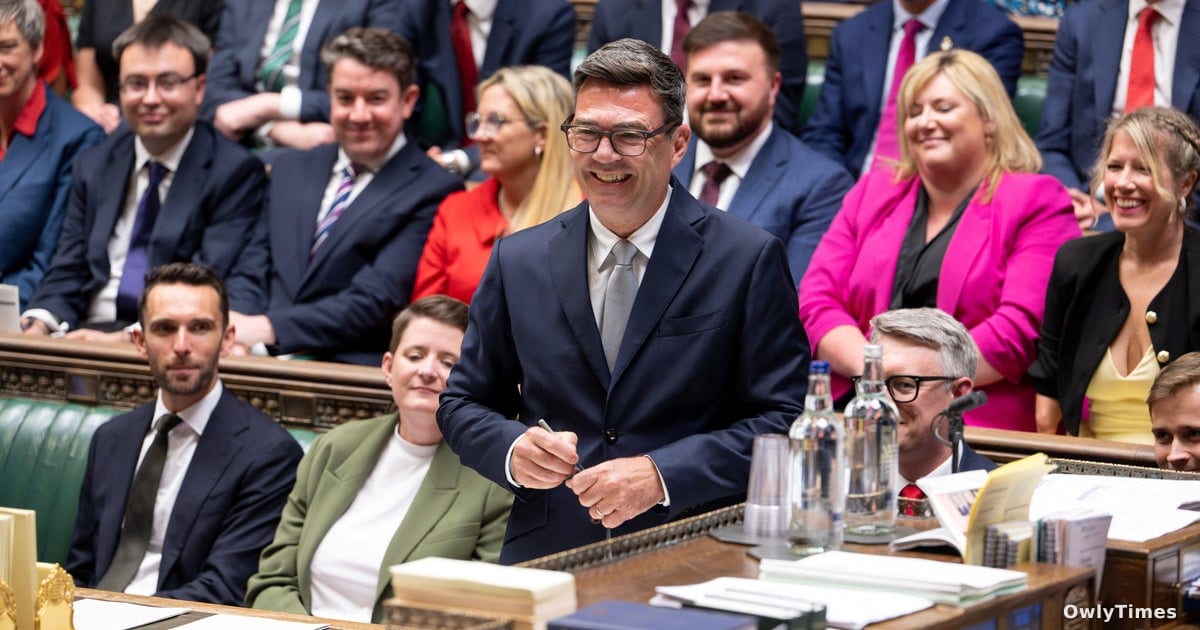

The strategic calculus behind the elevation of Andy Burnham to the brink of the British premiership is rooted in a fundamental survival instinct within the Labour Party. Following the resignation of Keir Starmer in the wake of May’s electoral collapse and 20 government departures, the party is not seeking a radical ideological shift, but a populist corrective to arrest the rise of Reform UK. By positioning the former Greater Manchester mayor as the heir apparent, Labour is attempting to reclaim the "left-behind" voters who felt neglected by the Westminster establishment—a demographic Burnham has spent years cultivating through his "King of the North" branding and the successful implementation of the regional "Bee Network" transport system.
Who benefits and who loses from this transition? The clear beneficiary is the Labour parliamentary bloc, which retains a massive majority from the 2024 general election and now seeks to stabilize its grip on power without triggering a destabilizing general election. The losers are the factional remnants of the Starmer era and, potentially, the U.S.-U.K. "Special Relationship." Burnham’s ascent brings a leader to Downing Street who has publicly framed his political identity in direct opposition to the brand of populism championed by Donald Trump.
The tension here is palpable. Burnham has historically characterized Trump’s influence as a source of global "instability," famously declaring in a 2024 co-authored book that both Trump and Nigel Farage have been "effective in connecting with people who feel politicians have neglected the place where they live." This creates a profound diplomatic contradiction: a prospective British Prime Minister who diagnoses the same populist grievances as Trump, yet views the American leader as a primary architect of a "polarized, poisonous politics."
This dynamic mirrors the broader post-2016 Western political landscape, where the chasm between center-left establishment figures and nationalist-populist movements has widened into a structural stalemate. Just as the 2016 Brexit referendum upended the British political order, Burnham’s return to Westminster—secured via a decisive 55% vote share in the Makerfield by-election—represents an attempt to synthesize these opposing forces. He is a politician who has evolved from a Blair-era cabinet minister to a critic of the "out-of-touch left-progressive establishment," signaling that he intends to govern by bridging the gap between his party’s traditional base and the disillusioned voters currently flirting with the Reform movement.
The White House has already signaled its defensive posture regarding this potential ideological collision. Anna Kelly, White House Deputy Press Secretary, explicitly countered this narrative on June 23, 2026, by framing European domestic challenges as the result of "unfettered migration and destructive globalism." This rhetorical hardening suggests that any phone call between a future Prime Minister Burnham and President Trump will be preceded by intense scrutiny of Burnham’s past commentary, including his January 6, 2021, social media post asserting that any British politician who engaged with Trump "should be ashamed."
As Burnham prepares to assume the leadership, the political chess move to watch is the next reading of the Labour Party’s internal polling against Reform UK. If Burnham’s return to the House of Commons fails to suppress the momentum of the right-wing opposition, his premiership may be forced into an even sharper, more confrontational pivot—regardless of his personal views on the American political model.