
The sudden resignation of Keir Starmer has triggered a high-stakes realignment within the Labour Party, where the strategic calculus is no longer about ideological purity, but about sheer electoral survival. By clearing the field for Andy Burnham, senior Labour figures are betting that the party’s only path back to relevance lies in a swift, coronation-style transition that bypasses a bruising internal contest. This maneuver is designed to preempt a prolonged period of "navel-gazing" that many MPs fear would mirror the internal paralysis of the Jeremy Corbyn years.
The Calculus of Coronation
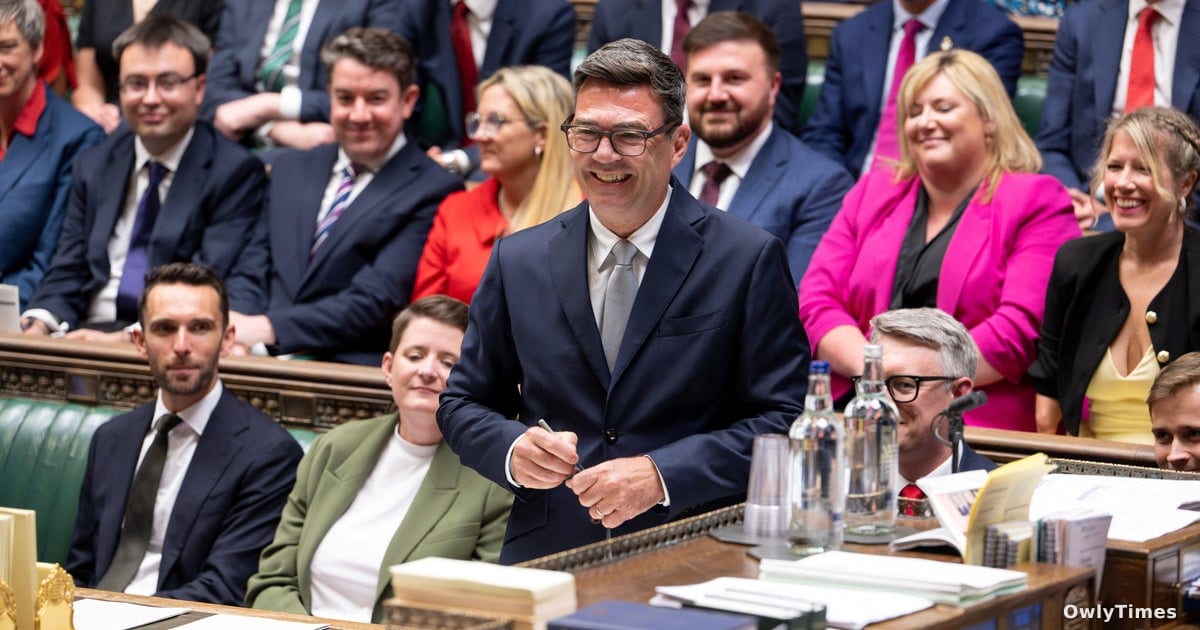
The move to install Burnham is an attempt to weaponize his recent electoral success in Makerfield, where he defeated Reform UK by more than 9,000 votes on June 19, 2026. For a party reeling from the resignation of a Prime Minister who led them to a commanding victory less than two years ago, Burnham represents a pivot toward the "Red Wall" heartlands that have increasingly drifted toward the populist right. Who benefits here? The establishment MPs who fear that a leadership contest would expose the party's deep divisions over immigration and the post-Brexit economic malaise. Who loses? Those, such as Nadia Whittome, who argue that bypassing a transparent debate on policy is a repeat of the very insularity that led to Starmer’s downfall.
The Economic Litmus Test
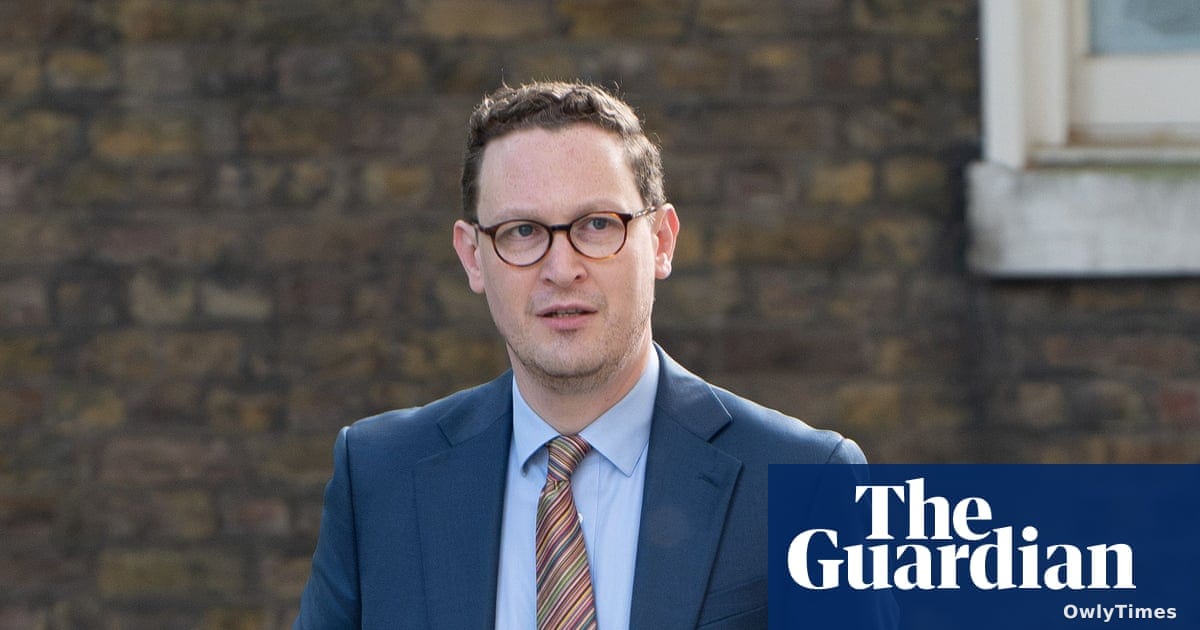
Despite the rush to consolidate support, the transition is not without friction. Darren Jones, the chief secretary to the prime minister, has emerged as a key gatekeeper, using his influence to demand clarity on economic policy before fully yielding to the Burnham momentum. Jones has publicly laid out a set of "tests" for any successor, specifically regarding the relationship between Downing Street and the Treasury. His warning against potential candidates—specifically regarding Ed Miliband—reveals a deep-seated anxiety about the next occupant of No 11. The core tension is clear: MPs want a leader who can reassure the markets, the trade unions, and the parliamentary party simultaneously, a triad of stakeholders whose interests have frequently collided under the current administration.
Historical Parallels and Power Dynamics
The current situation echoes the frequent, electionless leadership changes that have defined British politics over the last decade. If Burnham ascends to Number 10, he will be the seventh person to occupy the residence in just ten years. This revolving door of leadership reflects a systemic instability where the Chancellor of the Exchequer can often wield more practical power than the Prime Minister, a reality Jones acknowledged when noting the necessity of a symbiotic relationship between the two offices. By framing the leadership change as an "orderly transition," the party is attempting to manufacture a sense of stability that the public, currently dissatisfied with the pace of economic and immigration reforms, has not felt for months.
Signals of a Contested or Quiet Future
Whether this "coronation" succeeds depends entirely on the math of the Parliamentary Labour Party. To force a contest, a challenger would need to secure 81 backers, a threshold that looks increasingly insurmountable as momentum coalesces around the former Mayor of Greater Manchester. While figures like Al Carns have been mentioned as potential runners, the lack of appetite for a summer-long spectacle is palpable among those who prioritize governing over internal debate. The next reading of the nomination process on July 16, 2026, will show whether this head of steam is sufficient to solidify Burnham’s leadership, or if the party’s internal fissures are too deep to be papered over by a single by-election victory.