
The flashing lights of the Las Vegas strip feel particularly apt this April, because the entertainment industry isn’t just gambling on the future – it’s actively rewriting the rules. While Hollywood grapples with AI disruption and dwindling theatrical returns, a different story is unfolding, one built on nimble adaptation and a surprisingly robust appetite for both scares and bite-sized narratives. The Ankler’s return to the NAB Show, expanding its presence for a second year running from April 18-22, isn’t about predicting the future of media; it’s about dissecting what’s already working, and the insights are a pointed rebuke to the industry’s traditional risk aversion.
Horror’s Unexpected Resilience
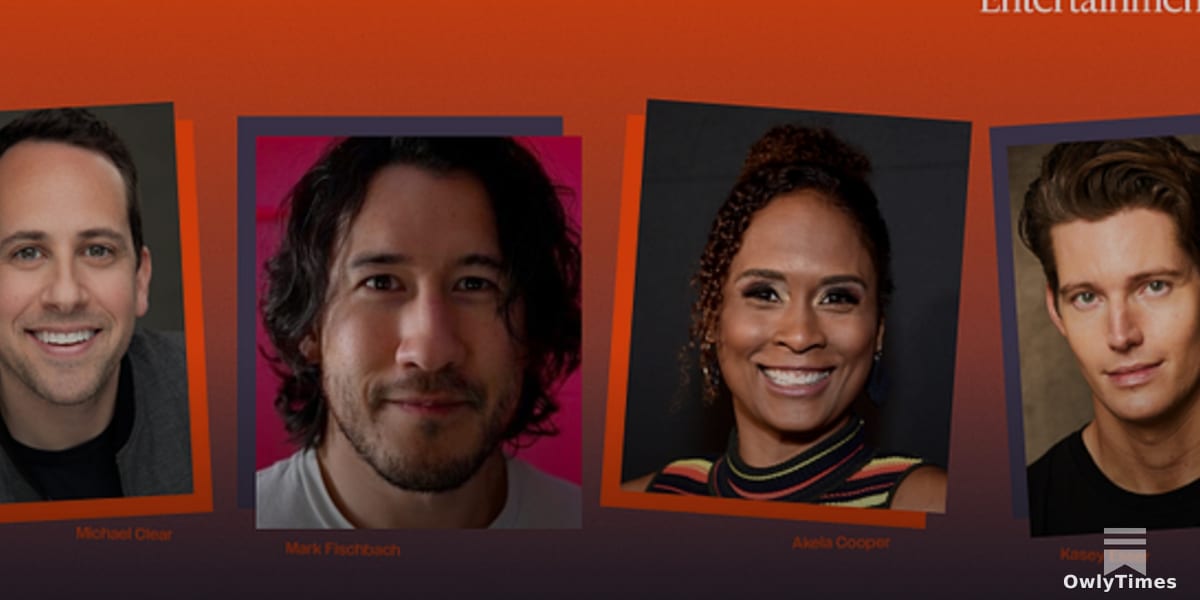
For years, horror was the genre studios tolerated, not celebrated. Low budgets meant lower risk, but also lower prestige. That calculus has flipped. The upcoming panel, “The Scary-Smart Business of Horror,” featuring YouTube sensation Mark Fischbach (aka Markiplier), whose independently produced Iron Lung grossed over $50 million worldwide, alongside Michael Clear of Atomic Monster and screenwriter Akela Cooper (M3GAN, Malignant), highlights a crucial shift. Horror isn’t just profitable; it’s remarkably profitable, consistently outperforming other genres when adjusted for budget. In 2023, horror films generated over $1.8 billion at the global box office, a 15% increase from the previous year, according to data from The Numbers, while overall box office revenue remained relatively flat. This isn’t a fluke. The genre’s appeal transcends demographics, particularly resonating with Gen Z and Gen Alpha, who crave communal experiences – and a good scare – in a fragmented media landscape.
Original reporting: theankler.com.
The success of Iron Lung is particularly telling. Fischbach’s direct-to-fan approach, leveraging a pre-existing audience of 36 million YouTube subscribers, bypassed traditional gatekeepers and proved that independent filmmakers can achieve blockbuster numbers with the right strategy. This challenges the studio system’s reliance on established IP and massive marketing budgets. Clear’s Atomic Monster, founded by James Wan, has built a powerhouse by focusing on smart, character-driven horror, demonstrating that quality and creativity can drive consistent returns. The question isn’t whether horror will continue to thrive, but whether studios will fully embrace its potential beyond simply greenlighting the occasional low-budget sequel.
The Rise of the Microdrama and the Creator Economy
While big-budget blockbusters battle for attention, a quieter revolution is taking place on platforms like TikTok and YouTube. “Inside the Microdrama Boom” – featuring creator Kasey Esser and Erin McFarlane of Dhar Mann Studios – explores the explosive growth of short-form serialized storytelling. These aren’t just viral videos; they’re meticulously crafted narratives, often produced with a fraction of the budget of a traditional television episode. Dhar Mann Studios, for example, generates billions of views monthly with its moralistic, bite-sized dramas, proving the viability of a direct-to-fan model.
The economics are compelling. Microdramas benefit from rapid production cycles, allowing creators to quickly respond to audience feedback and iterate on their content. Algorithmic discovery amplifies reach, bypassing the need for expensive marketing campaigns. This agility is something traditional studios desperately lack. The panel will likely address how these nimble models are attracting significant platform investment – TikTok’s Creator Fund, YouTube Shorts Fund – and whether established studios can successfully adapt without stifling the creativity that fuels this boom. The tension here is palpable: can Hollywood learn from the creator economy without attempting to control it?
Beyond the Headlines: A Power Shift in Storytelling
The Ankler’s focus on horror and microdramas isn’t simply about identifying successful genres. It’s about recognizing a fundamental power shift in storytelling. The industry is moving away from a top-down, studio-centric model towards a more decentralized, creator-driven ecosystem. Audiences are increasingly seeking out authentic, relatable content, and they’re finding it in unexpected places. The success of Markiplier’s Iron Lung and Dhar Mann’s microdramas demonstrates that a strong connection with an audience can be more valuable than a massive marketing budget.
This shift has profound implications for the future of entertainment. It challenges the traditional metrics of success – box office numbers, Nielsen ratings – and forces studios to rethink their strategies. It also raises questions about the role of AI in the creative process. Will AI be used to enhance creativity and empower creators, or will it be used to automate storytelling and further consolidate power in the hands of a few large corporations? The conversations at the NAB Show, and the insights The Ankler is bringing to the forefront, will be crucial in shaping the answer. The industry isn’t just facing disruption; it’s facing a reckoning. Will it adapt, or will it become a relic of a bygone era?