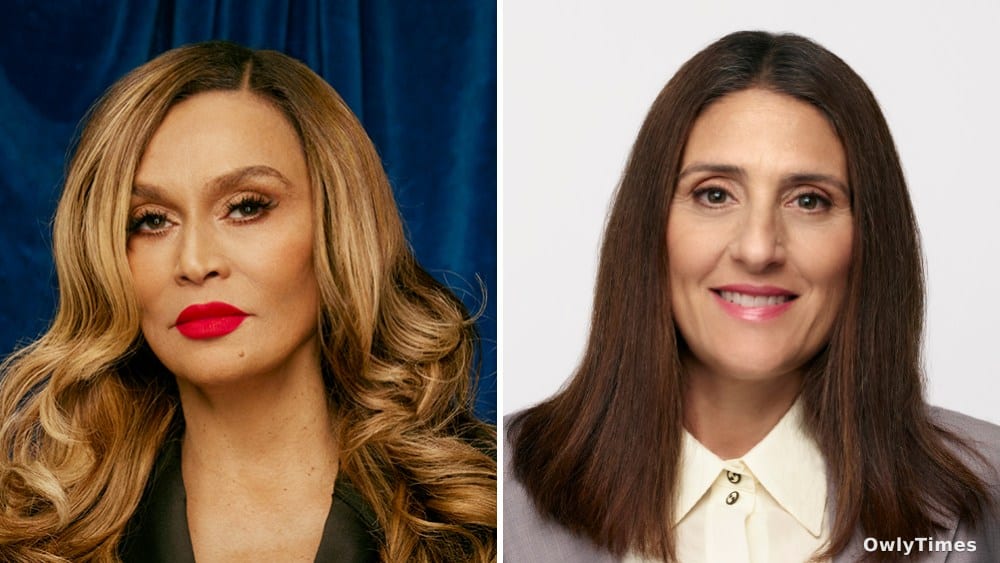

The scent of jasmine hung heavy in the air as the first details of the 2026 Entertainment Marketing Summit began to circulate – a fitting aroma, perhaps, considering Tina Knowles will be a keynote speaker. But this isn’t just another industry gathering; it’s a bellwether for a sector grappling with a fundamental shift in power. The announcement, made by Variety, isn’t about star power alone, it’s about the collision of legacy entertainment and the forces reshaping how stories are told, sold, and experienced. While Pam Abdy, co-chair and CEO of Warner Bros Motion Picture Group, will undoubtedly tout the studio’s $4 billion 2025 box office and Oscar glory (“Sinners” racking up a record 16 nominations, “One Battle After Another” with 13), the real story unfolding at the summit is about navigating a world where a single TikTok post can eclipse a blockbuster premiere.
The inclusion of figures like Bobby Berk and Harry Jowsey alongside industry titans signals a deliberate attempt to bridge the gap between traditional marketing and the influencer-driven landscape. Berk, known for his Emmy-winning design work and television presence, and Jowsey, a reality TV personality and entrepreneur, represent a new breed of “entertainment entrepreneur” – individuals who’ve built audiences and brands directly, bypassing traditional gatekeepers. Their roundtable discussion, “Entertainment Entrepreneurs Tell All,” isn’t just a panel; it’s a recognition that the rules of engagement have fundamentally changed. The summit’s agenda, encompassing topics like “Building the Brand-Verse” and “New Leaders of Creator Marketing,” reflects this reality. It’s no longer enough to simply have a story; you need to cultivate a community around it, and increasingly, that community exists outside the confines of established media.
See the original variety.com story for the full account.
Warner Bros’ success in 2025, as highlighted by Pam Abdy, is impressive, but it’s also a data point in a larger, more complex narrative. While $4 billion at the global box office is a significant achievement, it’s crucial to remember that theatrical revenue is still recovering from the pandemic and facing increasing competition from streaming services. The focus on Oscar success, while prestigious, also speaks to a reliance on critical acclaim to drive viewership in an era where algorithms and social media trends often dictate what people watch. The summit’s emphasis on experiential marketing – “pulling out all the stops” to create in-person moments – is a direct response to this fragmented attention economy. Brands are realizing that simply advertising isn’t enough; they need to create immersive experiences that resonate with audiences on a deeper level.
The presence of Danny Ledger of Deloitte as presenting sponsor underscores the financial stakes involved. Deloitte’s investment isn’t just about brand alignment; it’s about positioning themselves as advisors to an industry undergoing rapid transformation. The summit’s exploration of AI integration – “Breakthrough Brands – Innovating through AI” – is particularly noteworthy. AI is no longer a futuristic concept; it’s a present-day tool being used to personalize marketing campaigns, analyze consumer behavior, and even generate creative content. However, the ethical implications of AI in marketing – data privacy, algorithmic bias, and the potential for manipulation – remain largely unaddressed, a tension the summit seems poised to skirt around. The sheer breadth of represented companies – from Paramount and Universal Pictures to Taco Bell International and Microsoft – demonstrates the cross-industry impact of entertainment marketing.
Beyond the headlines of speaker announcements and topic outlines, the 2026 Entertainment Marketing Summit reveals a crucial inflection point. The industry is no longer solely focused on what to market, but how to market in a world saturated with content and defined by fleeting attention spans. The question isn’t whether brands can adapt to the creator economy and the rise of AI, but whether they can do so ethically and sustainably, fostering genuine connections with audiences rather than simply chasing algorithms. Will the summit deliver concrete strategies for navigating these challenges, or will it remain a showcase for success stories while leaving the deeper, more uncomfortable questions unanswered? That’s what the industry – and consumers – will be watching closely.