
$17.99 per month is the new entry-level price point for securing an iPhone, as Apple officially launched its "Apple Upgrade" leasing program in the United States on Tuesday. This initiative, powered by a partnership with buy-now-pay-later provider Klarna, represents a significant pivot in the company’s retail strategy, replacing its legacy "iPhone Upgrade Program" and "iPhone Payments" options.
Follow the Money: Smoothing the Hardware Cycle
By shifting from a traditional retail purchase model to a subscription-style lease, Apple is attempting to decouple hardware costs from the growing "sticker shock" associated with its latest devices. According to CNBC, the company is seeking to mitigate the impact of a global memory component crunch—referred to by TechCrunch as "RAMageddon"—which recently forced price hikes of at least $100 on Mac and iPad models. With Morgan Stanley estimating that component-level costs could add up to $300 to the bill of materials for future iPhones, this leasing structure is designed to keep premium hardware accessible through lower monthly payments, even if the total cost of ownership remains high.
The program creates a tiered pricing structure based on hardware category. While CNBC reports an iPhone 17 Pro starting at $31.99 monthly for two years, TechCrunch and Engadget confirm that entry-level leasing begins at $17.99 for iPhones, $11.99 for Apple Watches, $24.99 for Macs, and $11.99 for iPads. Notably, Engadget specifies that certain models, including the iPhone 16 and MacBook Neo, are excluded from the program entirely.
Differing Terms and Service Coverage
While the core premise of the program is consistent across reports, details regarding the lease terms and inclusions vary by source. The Verge notes that while iPhones and Apple Watches are available on 24-month terms, Mac and iPad plans run for 36 months. Engadget, however, cites 12- or 24-month options for iPhones and Watches. Furthermore, The Verge highlights a critical distinction from the previous program: unlike the defunct iPhone Upgrade Program, the new Apple Upgrade service does not include AppleCare in the base leasing price.
The financial oversight for these agreements rests with Klarna, which requires a soft credit check for approval. CNBC notes that while Klarna will not charge late fees, the company reserves the right to terminate leases after three months of missed payments. The Verge further reports that code discovered in the iOS 27 beta suggests Apple may eventually implement mechanisms to restrict app access on devices where payments are in arrears.
What This Means for Your Wallet
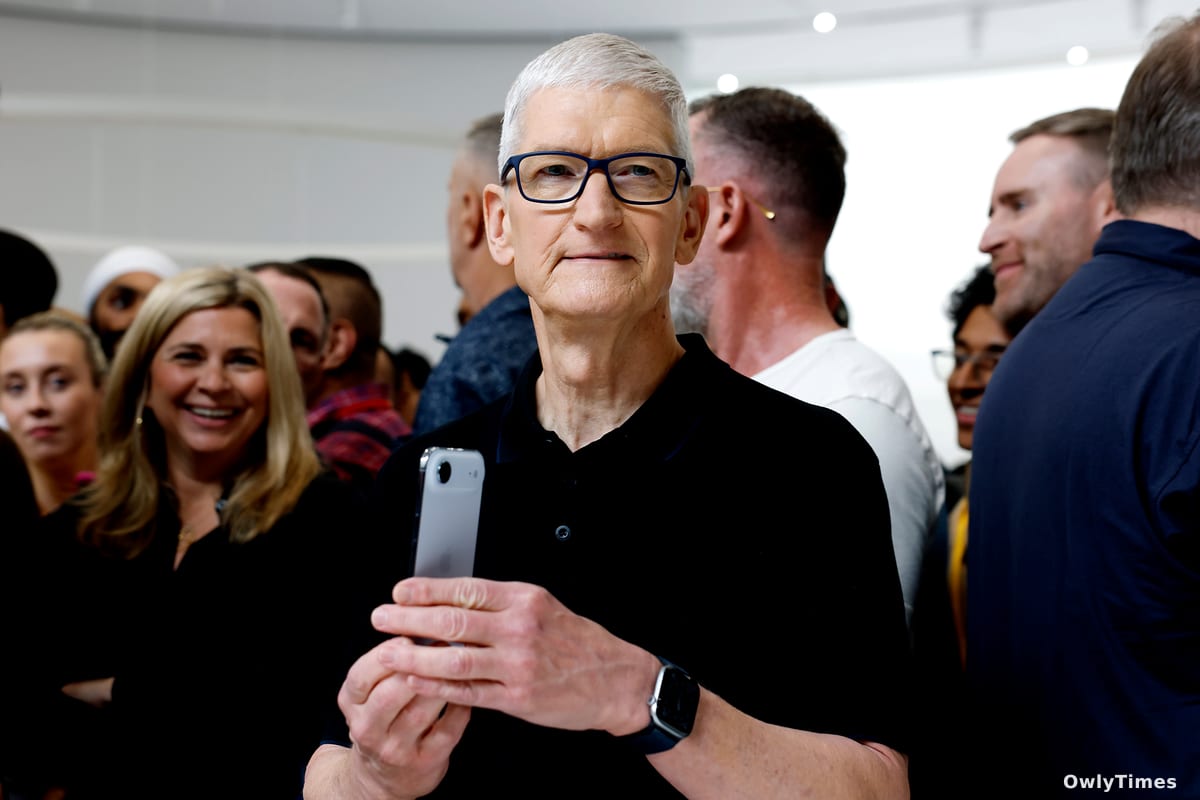
For the average consumer, this program is a tactical shift designed to shorten the replacement cycle, which Bernstein estimates has stretched to nearly four years. By offering a direct-to-consumer lease, Apple is effectively competing with carrier-based subsidies that have long dominated the mobile financing landscape. Investors should monitor the upcoming third-quarter earnings report on Thursday—the final one for outgoing CEO Tim Cook—for signals on how this shift impacts Apple’s gross margins and recurring revenue targets as the company prepares for a potential $2,500 foldable phone launch later this year.