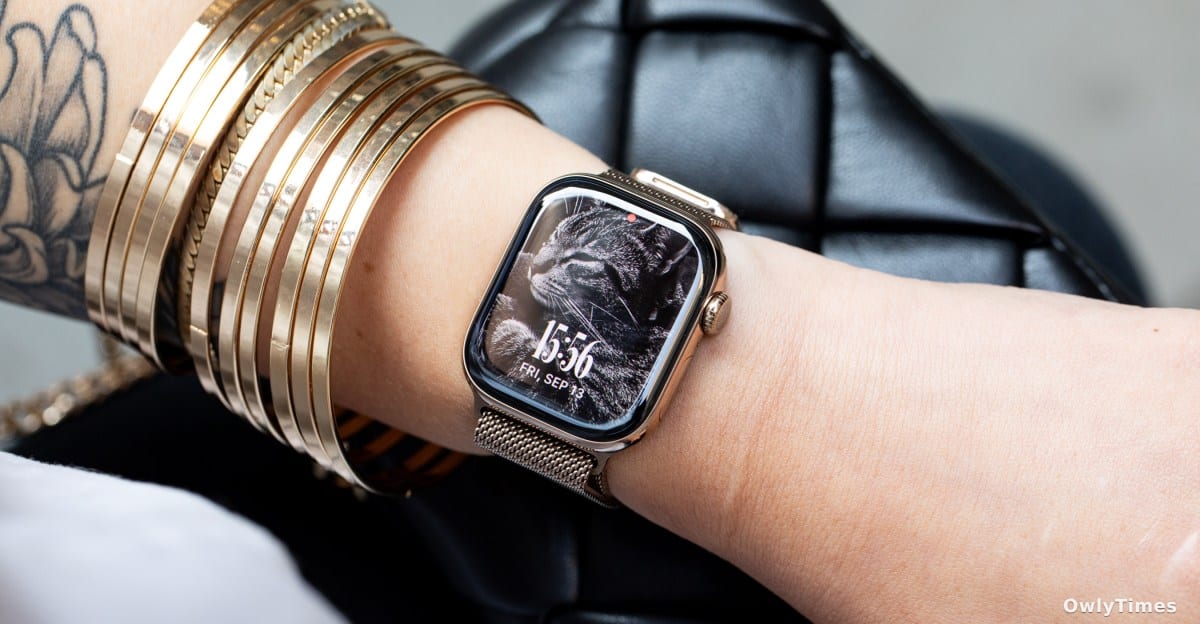

The 19th-century proverb about an apple a day keeping the doctor away was originally a nod to the nutritional benefits of fruit, but Tim Cook has effectively repurposed the adage into a multi-billion dollar blueprint for the future of medicine. As Cook prepares to hand the reins of the company to John Ternus in September, it is tempting to focus on the hardware—the iPhones, the AirPods, or the Vision Pro. Yet, the true weight of his tenure lies in the quiet, sensor-driven transformation of the wrist. By positioning the Apple Watch as a medical diagnostic tool rather than just a luxury accessory, Cook has fundamentally altered the relationship between consumers and clinical data.
From Fashion Statement to Medical Diagnostic
The early days of the Apple Watch were characterized by a search for identity, with initial marketing efforts leaning heavily into high-end fashion. This pivot was a significant gamble for a post-Steve Jobs Apple, marking the first major product line developed entirely without his direct input. While the fashion-first strategy struggled to gain traction, the shift toward health-focused monitoring provided the device with an enduring purpose. The launch of the Series 4 was the critical inflection point, introducing FDA-cleared digital health screening features that were previously nonexistent in the consumer wearable space.
It is important to distinguish between the marketing narrative and the actual clinical impact. Apple’s annual tradition of highlighting “Dear Tim” letters—where users credit the device with saving their lives—often straddles the line between genuine medical utility and what some critics characterize as fearmongering. However, beneath the emotional testimonials lies a verifiable technical reality: the device now provides actionable data on atrial fibrillation, hypertension, and sleep apnea. These features are not merely convenience tools; they represent a democratization of diagnostics that allows users to capture physiological data outside the sterile environment of a hospital.
The Research Precedent
The broader scientific contribution of this technology is found in the scale of its data collection. In 2017, the Apple Heart Study enrolled 400,000 participants, a scale of clinical research that was essentially impossible before the advent of ubiquitous, connected wearables. This infrastructure proved vital during the COVID-19 pandemic, when researchers utilized wearable data to detect early signs of infection. Some studies demonstrated that the Apple Watch could detect physiological signatures of the virus up to a week before conventional clinical onset.
Despite these successes, limitations to consider remain. While Apple’s data is impressive in volume, clinical research requires long-term validation to ensure that consumer-grade sensors provide consistent accuracy across diverse populations. The reliance on "Dear Tim" anecdotes, while powerful for branding, does not replace the necessity for rigorous, peer-reviewed longitudinal studies. Furthermore, as the industry expands, competitors like Oura—which has utilized its own "Symptom Radar" feature—and Whoop are accelerating the pace of innovation, narrowing the gap that Apple once held as the sole leader in the space.
The Handover to Ternus
The transition to John Ternus in September introduces uncertainty regarding the company’s trajectory in the health sector. Ternus, known for his work on the Apple Watch Ultra 3 and its 3D-printed titanium construction, is a product-focused leader. His background as a collegiate swimming champion may suggest a focus on athletic performance and specialized hardware durability, yet the company’s internal roadmap remains ambitious. Apple is currently engaged in an open-ended, five-year-long clinical research study aimed at developing future health features, including the long-rumored goal of noninvasive glucose monitoring.
The next reading of the company’s ongoing clinical research outcomes will serve as the primary indicator of whether Apple can maintain its lead in medical-grade diagnostics. With health features already migrating to AirPods Pro—now including heart-rate monitoring and hearing tests—the strategy is clearly shifting toward a multi-device ecosystem. Whether the focus remains on preventative wellness or evolves into more complex clinical monitoring will depend on how Ternus manages the balance between Apple’s consumer-tech roots and the increasingly stringent requirements of medical regulation.





