
Is Apple quietly admitting the keynote is dead? For decades, the meticulously choreographed Apple keynote – Tim Cook’s stagecraft, the carefully timed “one more thing” – has been the industry standard for product launches. Now, it appears Apple is trading spectacle for… a series of geographically dispersed press events. The real story here isn't about what Apple is launching, it’s about how they’re launching it, and what that says about the shifting power dynamics between tech companies and the media – and, crucially, the consumer.
Beyond the Keynote: A Fragmented Reveal
Mark Gurman of Bloomberg first reported the shift, detailing a “three-day flurry of announcements” leading up to a March 4 “special experience” in New York, London, and Shanghai. This isn’t a single, globally broadcast event; it’s a series of smaller, regional gatherings designed for hands-on demos. John Gruber of Daring Fireball echoed this, suggesting the March 4 event will be primarily about letting journalists touch the new hardware. This is a significant departure. For years, Apple controlled the narrative with an iron fist, dictating when and how the world saw its products. Now, they’re seemingly conceding some control, betting that direct experience will generate buzz more effectively than a polished presentation. Consider the implications: fewer carefully crafted soundbites, more unfiltered impressions.
This article draws on reporting from TechCrunch.
The "iPhone 17e" and the Mid-Range Gamble
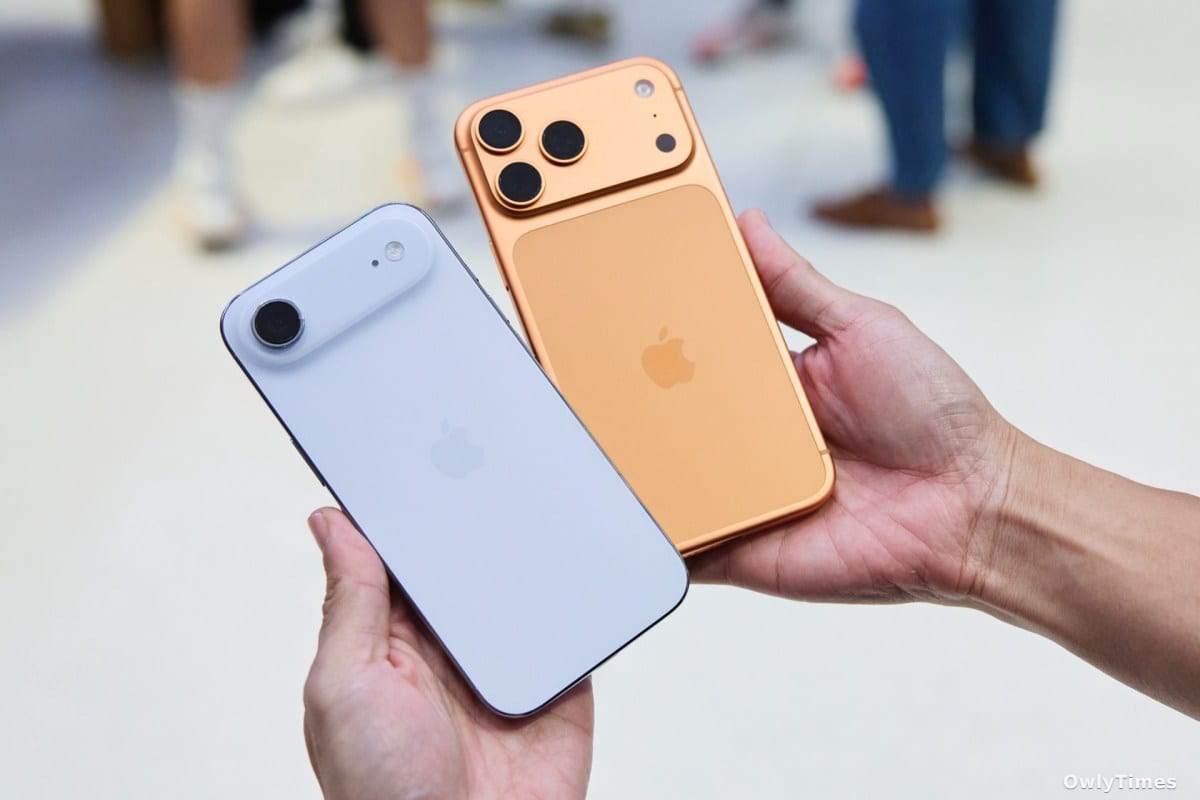
The products themselves – a potential iPhone 17e, updated iPads (including one with the M4 chip), and refreshed MacBooks – are interesting, but not revolutionary. The rumored “iPhone 17e” is particularly telling. This isn’t a flagship; it’s a budget-friendly option, reportedly positioned below the standard iPhone 17. Apple has historically resisted the low-cost smartphone market, prioritizing margins over market share. A dedicated “e” model suggests they’re finally acknowledging the growing demand for more affordable iPhones, especially in emerging markets. This isn’t about innovation; it’s about pragmatism. In Q1 2024, global smartphone shipments increased 7.8% year-over-year, according to preliminary data from Counterpoint Research, but the growth was largely driven by budget-friendly devices. Apple needs to tap into that segment.
Why This Matters to Anyone Who Isn't a Tech Blogger
This isn’t just inside baseball for tech journalists. The shift in Apple’s launch strategy reflects a broader trend: the erosion of the centralized tech announcement. Remember when every major product launch felt like a global event? Now, companies are experimenting with staggered releases, online-only presentations, and, in Apple’s case, localized press experiences. This fragmentation makes it harder for the average consumer to stay informed. It’s no longer a single moment of clarity; it’s a drip-feed of information, easily lost in the noise. And that noise is intentional. By decentralizing the launch, Apple can control the flow of information, tailoring messaging to specific regions and audiences. It’s a more subtle, but potentially more effective, form of marketing.
The MacBook Air and the Performance Plateau
The expected updates to the MacBook Air and MacBook Pro are less about groundbreaking features and more about incremental improvements. The M4 chip in the iPad Air is the most intriguing prospect, suggesting Apple is reserving its biggest silicon advancements for its tablet line. This could signal a shift in Apple’s product strategy, positioning iPads as genuine laptop replacements. However, the rumored updates to the MacBook Air – while welcome – highlight a broader issue: the performance plateau. For many users, the current MacBook Air is already “good enough.” Apple is facing the challenge of convincing people to upgrade when the benefits are increasingly marginal. The company’s reliance on iterative updates, rather than radical innovation, is becoming increasingly apparent.
Here’s what I predict: Apple won’t just continue this fragmented launch approach, they’ll double down on it. Watch for Apple to increasingly prioritize direct-to-consumer communication – think more Apple Store events, more online tutorials, and less reliance on traditional press coverage. The March 4 “experience” isn’t an anomaly; it’s a preview of the future. The question isn’t if the keynote will disappear, but when will it become a relic of a bygone era, replaced by a constant stream of personalized product experiences?