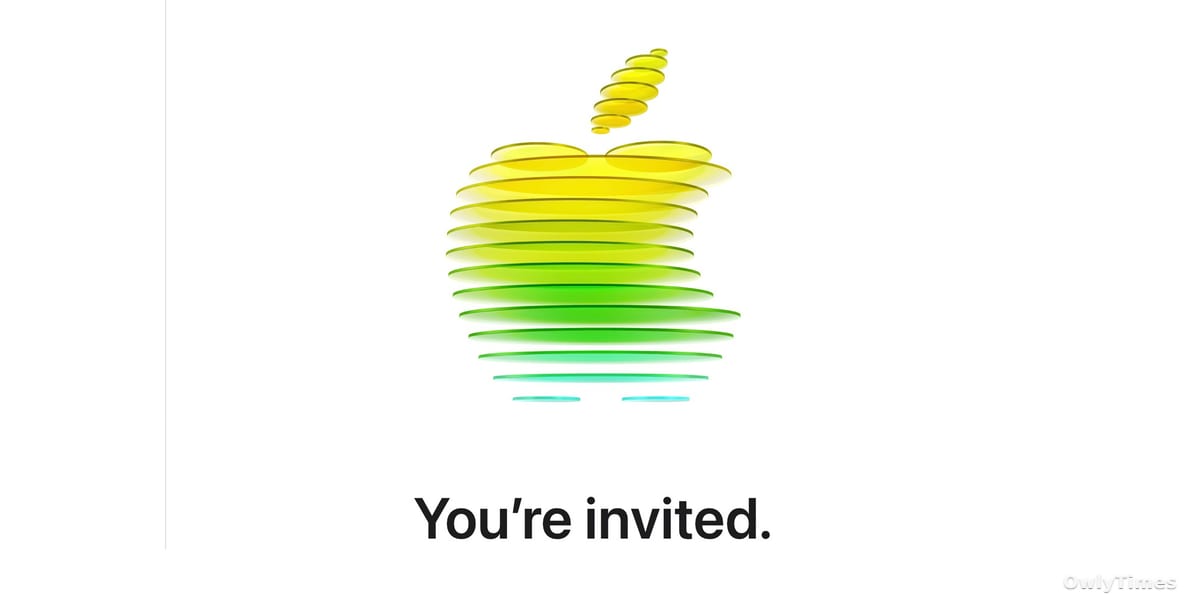

Is Apple about to admit defeat? Not in the market, necessarily, but in the relentless pursuit of total control. The March 4th “special Apple Experience” isn’t shaping up to be a product launch in the traditional sense – it’s a carefully curated reveal, and the whispers surrounding it suggest a fundamental shift in how Apple approaches its core software. The real story here isn't the new hardware everyone’s breathlessly anticipating – it’s the integration of Google’s Gemini into Siri, a move that throws decades of walled-garden philosophy into question.
The event, simultaneously staged in New York City, Shanghai, and London, is being deliberately framed as an “experience,” a subtle signal that Apple isn’t just unveiling gadgets. It’s attempting to reframe the narrative. For years, the company has built its brand on seamless integration within its ecosystem. Now, it’s reaching across the aisle to borrow the brainpower of its biggest competitor. Mark Gurman of Bloomberg lays out the expected hardware parade: a budget MacBook with the A18 Pro, updated MacBook Air and Pro models sporting the M5 series chips, new Mac displays, the “iPhone 17e,” and iPad refreshes. All perfectly plausible, and all designed to keep the hardware churn going. But these are incremental upgrades. The iOS 26.4 beta, and the Gemini-powered Siri, is a tectonic shift.
Let’s be clear: Siri has been a consistent disappointment. Despite years of development, it lags significantly behind Google Assistant and Amazon’s Alexa in terms of accuracy and functionality. The average user, frustrated by Siri’s inability to understand basic commands, has likely resigned themselves to typing or using third-party apps. This isn’t a matter of technological limitations; Apple simply prioritized privacy and control over raw AI capability. Now, it appears that calculus has changed. The company is willing to compromise on control to deliver a genuinely useful voice assistant. This isn’t about innovation; it’s about catching up. And it’s a tacit acknowledgement that Apple’s internal AI efforts haven’t been able to deliver.
See the original 9to5mac.com story for the full account.
The implications extend far beyond voice commands. Integrating Gemini opens the door to a broader collaboration with Google, potentially impacting areas like search, mapping, and even augmented reality. Consider the average family: Mom uses Google Maps for navigation, Dad relies on Google Search for work, and the kids are immersed in YouTube. Apple has been trying to carve out its own space in these domains, with limited success. By partnering with Google, Apple could seamlessly integrate these services into its devices, offering a more compelling user experience. But at what cost? The data sharing implications are significant, and Apple’s privacy-focused marketing will need a serious overhaul.
The rumored “iPhone 17e” – a potential budget-friendly model – is also worth noting. While a lower price point could attract new customers, it also signals a shift in Apple’s strategy. For years, the company has focused on premium devices with high margins. Introducing a cheaper iPhone could erode those margins, but it could also be a necessary move to compete with Android manufacturers in emerging markets. In 2023, Android devices accounted for 71.2% of global smartphone shipments, according to Statista, leaving Apple with a substantial uphill battle. The “iPhone 17e” isn’t about innovation; it’s about market share.
So, what happens next? Don’t focus on the specs of the new MacBooks or the megapixel count of the new iPads. Watch closely for the fine print surrounding the Gemini integration. Specifically, pay attention to how Apple addresses data privacy concerns. Will users have granular control over what data is shared with Google? Will Apple commit to transparency about how Gemini is used? The answer to those questions will determine whether this partnership is a genuine win for consumers, or simply a desperate attempt to salvage a lagging AI strategy. I predict that by the end of 2026, we’ll see a significant increase in users opting out of the integrated Siri/Gemini experience, forcing Apple to either double down on privacy protections or further compromise its principles. The future of Apple isn’t about building better devices; it’s about navigating the treacherous waters of AI collaboration.