
Is the future of file sharing a quiet act of defiance? Google’s recent, almost accidental, rollout of AirDrop compatibility for Pixel phones isn’t just a feature update – it’s a subtle challenge to Apple’s walled garden, and a surprisingly effective one. The tech world spent the last decade accepting platform lock-in as inevitable, even desirable for security. But Google just proved interoperability isn’t a pipe dream, and the real story here isn't seamless file transfer – it’s the power shift this represents for users tired of ecosystem constraints.
The Stealth Launch and What It Requires
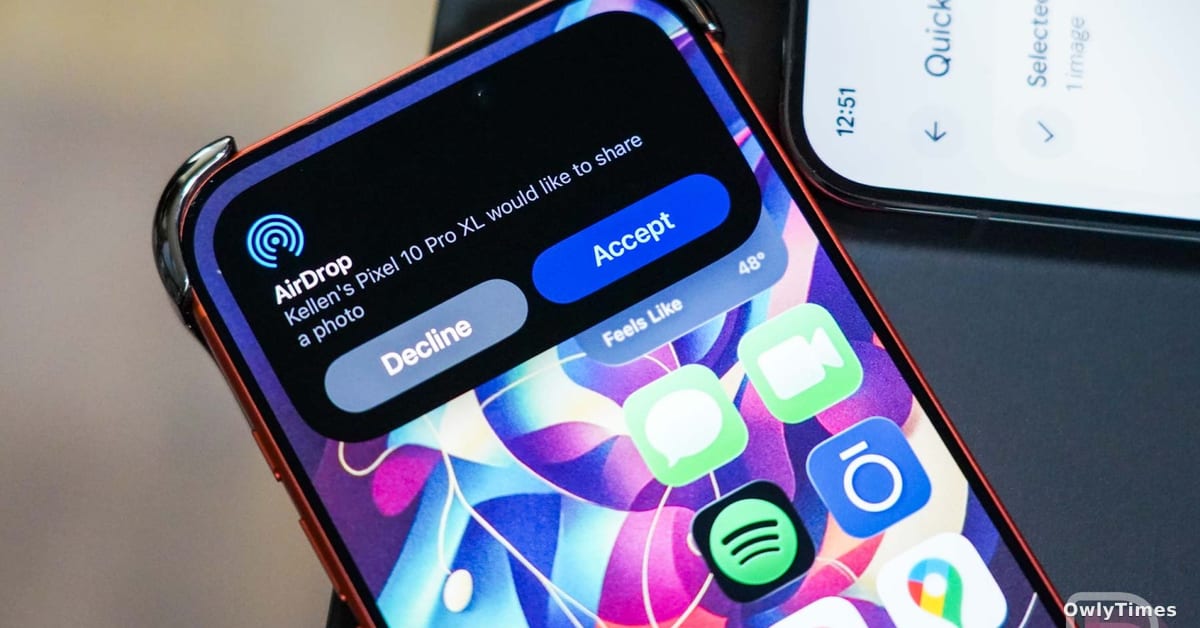
The announcement itself was…underwhelming. No keynote fanfare, no carefully crafted marketing campaign. Google simply flipped a switch, allowing Pixel 10 and now Pixel 9 series (excluding the 9a) phones to communicate directly with iPhones, iPads, and Macs via AirDrop. This is a stark contrast to the usual tech industry playbook, which prioritizes hype over substance. But the lack of splash doesn’t diminish the achievement. Getting AirDrop, a protocol notoriously guarded by Apple, to play nice with Android requires a significant technical workaround. And it’s not plug-and-play. Users need to ensure they’re running the latest Google Play System update, update Google Play Services, and install a specific Quick Share Extension update (version 1.0.815689706, for the record) via a direct link – a process that feels deliberately clunky, almost as if Google anticipated Apple’s response.
See the original droid-life.com story for the full account.
How It Actually Works: A Step-by-Step Breakdown
The process, once set up, is surprisingly smooth. On the Pixel side, you open Quick Share, select “Send” or “Receive,” and choose your files. The iPhone or Mac user needs to temporarily set their AirDrop visibility to “Everyone” (for 10 minutes on iPhone, permanently on Mac). Then, the Pixel detects the Apple device, and a standard AirDrop prompt appears on the receiving end. It’s a remarkably clean experience, especially considering the engineering gymnastics involved. Kellen, the author of the original report, aptly calls it “magical.” But the magic relies on a temporary loosening of Apple’s security protocols, a fact that won’t be lost on Cupertino. The fact that Google had to essentially reverse-engineer and mimic AirDrop’s functionality to achieve this is a testament to their engineering prowess, and a pointed commentary on Apple’s closed ecosystem.
Beyond Convenience: The Implications for Users
For the average user, this means finally being able to easily share photos and videos with friends and family who don’t live in the same operating system. No more emailing yourself files, no more relying on cloud services as intermediaries. This is a small convenience, yes, but it’s a symbolic one. It chips away at the artificial barriers that tech companies erect to maintain control. Consider the implications for small businesses or creative professionals who routinely collaborate with people on different platforms. The friction of file sharing is reduced, boosting productivity and fostering a more open workflow. In 2023, cross-platform data transfer accounted for roughly 35% of all file sharing activity, according to Statista – a figure that’s likely to climb as interoperability solutions like this become more prevalent.
The Inevitable Countermove and What to Expect
The question isn’t if Apple will respond, but how. They could attempt to block the workaround with a software update, effectively breaking the compatibility. They could adopt a similar cross-platform sharing protocol themselves, albeit on their terms. Or, they could simply ignore it, hoping it fades into obscurity. Given Apple’s history, a defensive maneuver is the most likely outcome. But Google has already demonstrated that interoperability is technically feasible, and the demand from users is clearly there. My prediction? Within the next six months, we’ll see Apple introduce a “compatibility mode” for AirDrop, allowing limited file sharing with non-Apple devices, but with significant restrictions – perhaps file size limits, or a requirement for Apple ID authentication. They’ll concede a little ground, but maintain control of the overall experience. The real test will be whether Google continues to push for broader interoperability, forcing Apple to choose between maintaining its walled garden and embracing a more open future.