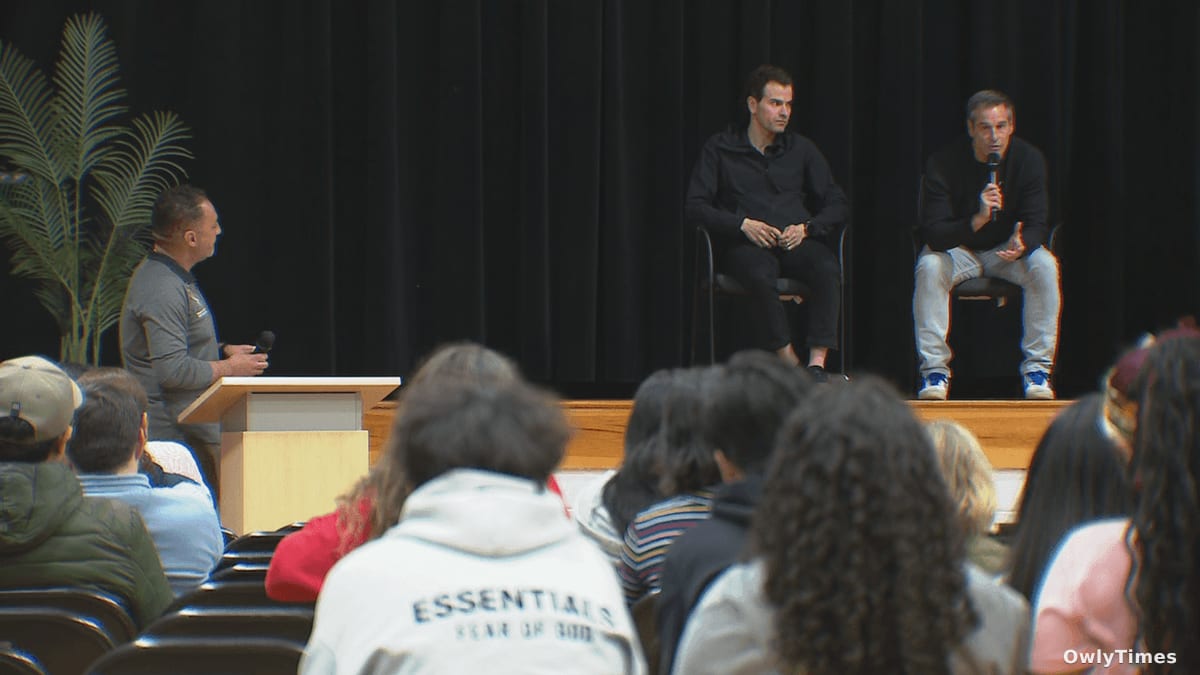

The image of the stoic athlete, pushing through pain and pressure, is deeply ingrained in our culture. But what happens when that pressure isn’t physical, but emotional? A recent event in Rockville, Maryland, hosted by Athletes for Hope on March 5, 2026, suggests a growing awareness – and a crucial shift in approach – to mental health support for young people, leveraging the influence of athletes to dismantle the stigma surrounding vulnerability. This isn’t simply about adding mental health awareness to existing programs; it’s about recognizing that the very qualities we admire in athletes – discipline, resilience, and a willingness to push boundaries – can be reframed as tools for navigating mental health challenges. The event, held at Parkland Magnet Middle School, signals a move beyond simply acknowledging a youth mental health crisis to actively modeling healthy coping mechanisms.
Beyond the Podium: Athletes as Mental Health Advocates
Athletes for Hope, a nonprofit connecting athletes with charitable causes, organized the panel discussion with a specific audience in mind: middle school students and their families. This age group is particularly vulnerable, navigating the complex social and academic pressures that often coincide with the onset of anxiety and depression. According to the CDC, rates of adolescent depression increased by 27% between 2019 and 2022, a trend that continues to concern public health officials. The choice to feature athletes isn’t accidental. The organization understands that these figures – individuals often held up as examples of peak performance – possess a unique platform to reach young people who might otherwise be resistant to traditional mental health messaging. Mo’ath Alkhawaldeh, an Olympic marathoner, articulated this dynamic, stating, “When you’re an athlete, sometimes people put you on a pedestal and whether it's fair or not fair. So accepting that pressure but also understanding what your role is you have an opportunity to connect with people.” This isn’t about denying the pressure, but normalizing the experience and demonstrating that even those perceived as “strong” grapple with internal challenges.
Drawn from wjla.com.
The Science of Influence: Why Athletes Resonate with Youth
The effectiveness of this approach rests on principles of social learning theory. Research consistently demonstrates that individuals are more likely to adopt behaviors and attitudes modeled by those they admire. Athletes, particularly at the elite level, often embody qualities like dedication, perseverance, and goal-setting – traits that can be directly applied to mental wellness practices. However, it’s crucial to understand what the event actually achieved versus what headlines might suggest. The panel wasn’t presenting a “cure” for mental illness, nor was it offering a comprehensive mental health intervention. Instead, it aimed to initiate a conversation, reduce stigma, and connect families with resources. The presence of John Harkes, a National Soccer Hall of Famer, alongside Mena Mirhom, a Sports Psychiatrist, was particularly strategic. Harkes provided relatable anecdotes about the pressures of competition, while Dr. Mirhom offered clinical expertise, grounding the discussion in scientific understanding. This combination of lived experience and professional insight is vital for building trust and credibility.
Limitations to Consider: Access and Long-Term Impact
While the event represents a positive step, several limitations must be considered. The reach of a single panel discussion is inherently limited. The families in attendance at Parkland Magnet Middle School represent a self-selected group, likely already engaged with their children’s well-being. Furthermore, the impact of a one-time event on long-term mental health outcomes is difficult to measure. Sustained engagement and ongoing support are crucial for fostering lasting change. Another factor is the potential for “inspiration without infrastructure.” Simply hearing an athlete discuss their struggles is helpful, but it’s insufficient without readily available access to qualified mental health professionals and affordable treatment options. Maryland currently ranks 27th in the nation for access to mental healthcare, according to the Mental Health America organization, meaning that even motivated families may face significant barriers to seeking help.
Charting a Course for Future Research and Action
The success of the Athletes for Hope event in Rockville raises a critical question: how can we systematically integrate athlete-led mental health initiatives into school curricula and community programs? Future research should focus on evaluating the long-term impact of these interventions, tracking changes in student attitudes towards mental health, and assessing the effectiveness of different athlete engagement strategies. Specifically, studies could compare the mental health outcomes of students exposed to athlete-led programs with those receiving traditional mental health education. Beyond research, policymakers should prioritize funding for mental health services in schools and communities, ensuring that all young people have access to the support they need. The conversation started in Rockville isn’t just about athletes sharing their stories; it’s about building a future where seeking help is seen as a sign of strength, not weakness, and where every young person feels empowered to prioritize their mental well-being. Will we see a widespread adoption of this model, or will it remain a localized effort? The coming years will reveal whether this approach can truly scale and make a lasting difference in the lives of young people.