
Beyond the Headlines: What Restaurant Inspection Reports Actually Tell Us
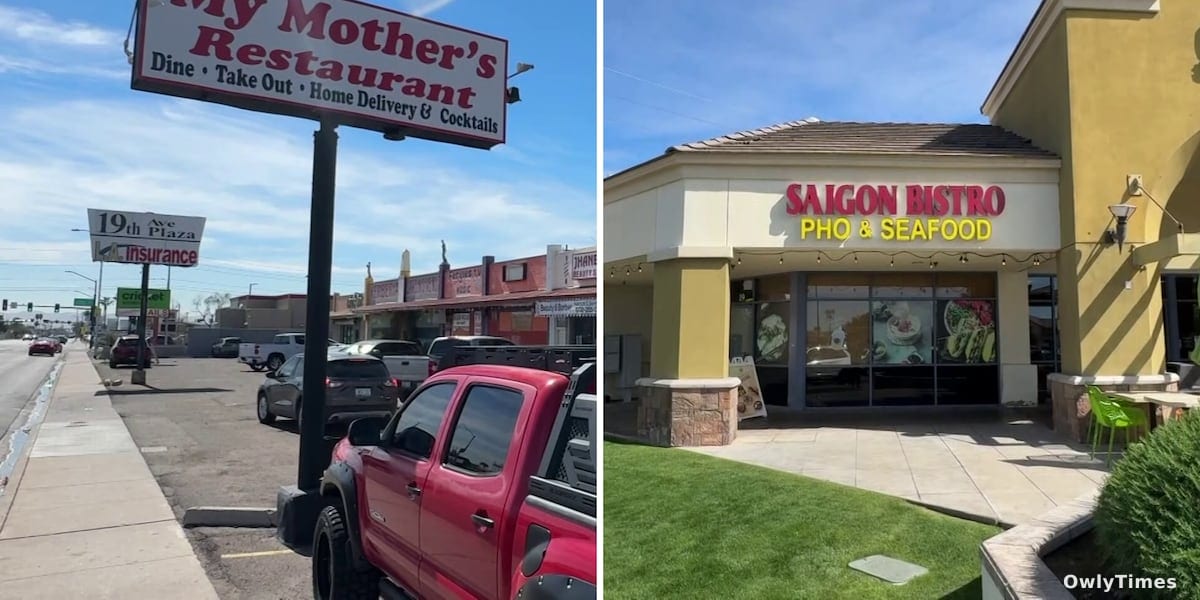
The weekly “Dirty Dining” reports from Arizona’s Family, detailing Maricopa County restaurant inspections, consistently generate public concern – and often, a degree of sensationalism. While the impulse to know where potential health risks lie is understandable, focusing solely on a list of violations risks obscuring the nuanced reality of food safety and the complex systems designed to protect diners. The February 25, 2026 report, highlighting issues at establishments like Saigon Bistro, My Mother’s Restaurant, and Good Fortune Chinese Restaurant, is a case in point. It’s not simply about “dirty” restaurants, but about identifying points of failure in operational procedures and assessing the effectiveness of preventative measures. This week’s report, like those preceding it, reveals a pattern of easily correctable, yet persistently observed, lapses in basic food handling practices.
The Specifics of Risk: What Constitutes a “Violation”?
The reports categorize issues as “risk factors,” defined by Maricopa County Environmental Services as major health code violations. This isn’t a subjective judgment call; inspectors follow a standardized scoring system, available on the county website, that prioritizes issues with the highest potential to cause foodborne illness. The violations observed at the five restaurants flagged this week – Native Grill & Wings and Sushi Ave joining the others – illustrate this prioritization. Instances like improper temperature control of potentially hazardous foods (beef broth, chicken, ranch dressing) at multiple locations, or the direct contamination of ready-to-eat foods with bare hands at Sushi Ave and My Mother’s Restaurant, represent significant risks. These aren’t matters of cleanliness alone; they directly impact the safety of the food served. It’s crucial to understand that a single violation doesn’t necessarily equate to a widespread outbreak risk, but it does indicate a breakdown in a critical control point within the restaurant’s food safety management system. The fact that three violations were common across multiple establishments suggests systemic issues, rather than isolated incidents.
Original reporting: azfamily.com.
A Tale of Two Lists: Perfect Scores and Persistent Problems
The simultaneous publication of a “Dean’s List” – recognizing restaurants with perfect inspection scores, including Panera Bread in Surprise and Ocho Rios Jerk Spot in Phoenix – highlights a critical tension. While the “Dirty Dining” report understandably draws attention, the existence of consistently high-performing establishments demonstrates that adherence to food safety standards is achievable. This begs the question: what differentiates these restaurants? Is it superior training, more robust internal monitoring, or simply a greater commitment to preventative measures? The contrast also underscores the limitations of a snapshot inspection. A perfect score on one day doesn’t guarantee continued compliance, and a few violations don’t necessarily condemn a restaurant indefinitely. The county’s website provides access to past inspection reports, allowing consumers to assess trends over time – a far more informative approach than reacting to a single headline.
Limitations to Consider: Inspections as a Partial Picture
It’s important to acknowledge the inherent limitations of relying solely on inspection reports. Inspections are, by necessity, unannounced and represent a single point in time. They assess compliance with a specific set of regulations, but cannot guarantee consistent adherence to best practices. Furthermore, the frequency of inspections varies depending on a restaurant’s risk category, meaning some establishments are scrutinized more closely than others. The reports also don’t capture the full spectrum of food safety risks. Factors like employee health and hygiene, which are difficult to assess during a brief inspection, can significantly impact food safety. Finally, the focus on “risk factors” may overshadow minor violations that, while not immediately dangerous, contribute to a less-than-ideal dining environment.
The Future of Food Safety: Predictive Analytics and Proactive Intervention
Looking ahead, the most promising developments in food safety lie in the realm of predictive analytics. Maricopa County Environmental Services is beginning to explore data-driven approaches to identify restaurants at higher risk of violations before an inspection is necessary. By analyzing historical inspection data, menu complexity, employee turnover rates, and other relevant factors, the department can target resources more effectively and proactively address potential problems. The next step is integrating real-time data from restaurants themselves – temperature logs, cleaning schedules, and employee training records – to create a more comprehensive and dynamic picture of food safety performance. The question now is whether restaurants will embrace these technologies, recognizing that transparency and proactive compliance are ultimately in their best interest, and whether the county can navigate the privacy and data security concerns inherent in such a system. Will we see a shift from reactive inspections to a system of continuous monitoring and preventative intervention? That’s the key indicator to watch in the coming years.





