
Are we really paying attention to why things are trending, or just that they are? CNN’s “Get Looped In” feature, a rapid-fire scroll of trending topics, feels less like journalism and more like a digital mood ring. Yes, Travis Kelce and Bill Cosby are grabbing headlines, and Sora’s AI videos are sparking debate. But buried within this list, a seemingly dry spike in crude oil prices following President Trump’s address on Iran, reveals a far more insidious story – one about the precariousness of global stability and the everyday financial squeeze on ordinary Americans. The real story here isn't the political posturing, it’s the predictable, and often painful, ripple effect on your next fill-up.
The Geopolitics of Your Gas Tank
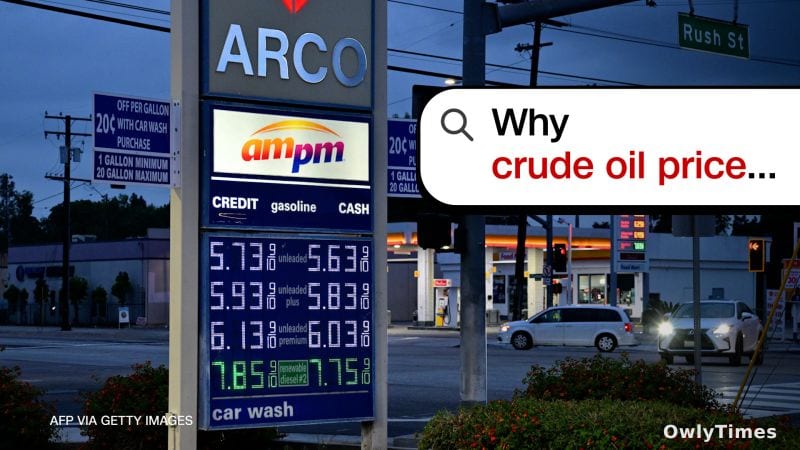
The report states oil prices spiked after the President’s address “did little to calm investors’ fears on an end to the Iran war.” That’s a remarkably understated way of saying a potential escalation in the Middle East immediately translates to higher costs at the pump. It’s a pattern as old as oil itself. But the speed with which these anxieties translate into price increases is what’s truly concerning. We’re not talking about gradual market adjustments; we’re talking about knee-jerk reactions driven by speculation and fear. According to AAA, the national average for a gallon of regular gasoline currently sits at $3.53 as of today, February 29th, 2024 – a 15-cent increase from last month. While not catastrophic, that adds up quickly for families already grappling with inflation.
Beyond Headlines: The Illusion of Control
The problem isn’t just the price itself, it’s the feeling of helplessness. We’re told to conserve energy, to drive less, to buy more fuel-efficient vehicles. These are all reasonable suggestions, but they feel like band-aids on a gaping wound when the underlying issue is geopolitical instability largely outside of our control. The narrative often focuses on supply and demand, but ignores the deliberate manipulation of markets through political rhetoric and military posturing. John Towfighi of CNN explains the impact on the gas pump, but the explanation feels…incomplete. It’s a technical breakdown of a symptom, not a diagnosis of the disease.
Source material: CNN.
Trending Topics as Distraction?
Consider the broader context of CNN’s trending list. Alongside the oil price increase, we have updates on celebrity relationships (Travis Kelce), legal battles (Bill Cosby, Meta lawsuit), and viral videos (Sora). These aren’t inherently unimportant, but their prominence alongside a critical economic indicator feels…calculated. It’s a classic media strategy: bury the potentially unsettling news beneath a deluge of entertainment and social chatter. The algorithm prioritizes engagement, and outrage over Kid Rock’s latest comments will always outperform a nuanced discussion about the complexities of Iranian oil policy. This isn’t to accuse CNN of malice, but to point out the inherent limitations of a “trending topics” framework.
The Price of Attention
The focus on what’s currently trending actively discourages long-term thinking. We react to immediate crises, but fail to address the systemic vulnerabilities that create them. The oil price spike isn’t an isolated incident; it’s a recurring symptom of our reliance on fossil fuels and our entanglement in volatile regions. The fact that this news is sandwiched between updates on a pop star and a viral AI tool speaks volumes about our collective attention span. We’re being trained to respond to fleeting moments of outrage, rather than grapple with enduring challenges.
Here’s what to watch for: over the next six months, pay close attention to whether the Biden administration attempts to replenish the Strategic Petroleum Reserve. A significant drawdown, coupled with continued geopolitical tensions, will signal a clear acknowledgement that these price spikes aren’t temporary, and that the era of cheap oil is definitively over. And that, unlike a trending hashtag, is a reality we all need to prepare for.