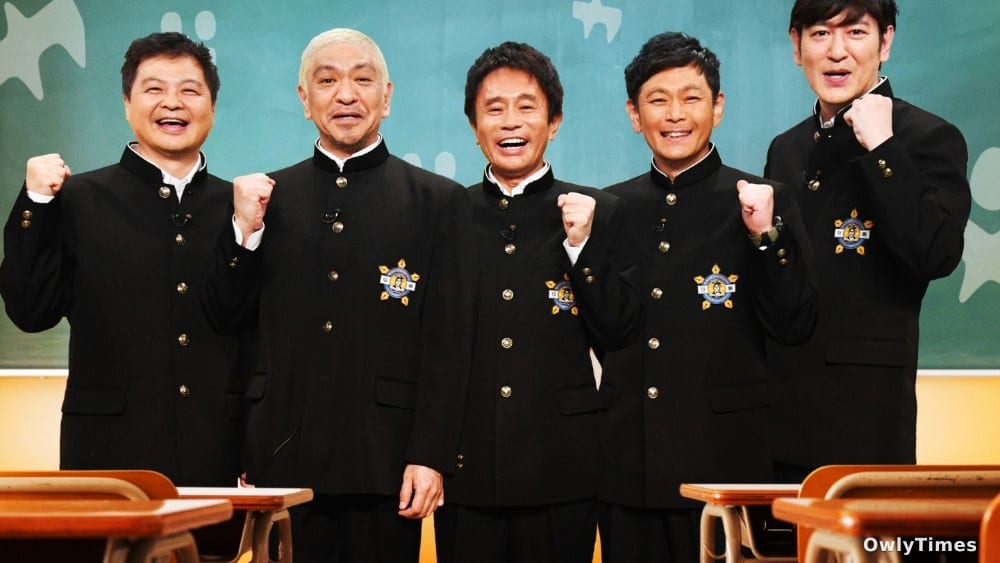

The air in the control room crackled with a nervous energy, a silent battle waged between seasoned comedians and the sheer force of will required to not laugh. On a soundstage outside Tokyo, a dozen performers were nearing the 20-hour mark of “You Laugh You Lose,” each one a carefully constructed character teetering on the brink of collapse. A rogue pigeon, a meticulously timed pratfall, a surprisingly earnest mime – the gauntlet of absurdity was relentless. This isn’t just a game; it’s a masterclass in comedic endurance, and now, thanks to a new partnership between Banijay Entertainment and Yoshimoto Kogyo, that endurance test is poised to go global.
The Global Hunger for Japanese Formats
The deal, announced this week, grants Banijay Entertainment global format rights to the long-running Japanese series, with plans to adapt it across their 23 territories. While “LOL: Last One Laughing” – also originating from Yoshimoto Kogyo – has already proven the international appetite for Japanese comedic concepts, this acquisition feels different. “LOL” relies on celebrity recognition and a relatively simple premise. “You Laugh You Lose,” debuting in 2006 on Nippon TV, is a far more intricate beast, demanding a deeper understanding of comedic timing, character work, and the art of suppressing a giggle for an entire day. It’s a gamble, but one that speaks to a broader trend: the increasing influence of Asian formats on the global entertainment landscape. For years, Western television largely dictated the flow of ideas. Now, producers are actively seeking out innovative concepts from around the world, and Japan, with its uniquely refined sense of humor, is proving to be a particularly fertile ground.
See the original variety.com story for the full account.
The timing is also crucial. The streaming wars have created an insatiable demand for content, and unscripted formats, particularly those with high concept appeal, are increasingly valuable. “You Laugh You Lose” offers a compelling alternative to the often-formulaic reality TV landscape. James Townley, chief content officer of development at Banijay Entertainment, described the show as “playful, unpredictable, and packed with international potential.” He’s right. The 24-hour timeframe, the escalating tension, and the immediate comedic penalty – a hallmark of the show – create a uniquely compelling viewing experience. But it’s not just about the format itself; it’s about the cultural context. Japanese comedy often relies on a subtle blend of physical humor, awkwardness, and a willingness to embrace the absurd.
Beyond the Giggles: A Test of Cultural Translation
The success of “You Laugh You Lose” outside of Japan hinges on its adaptability. Can the core premise – the relentless pursuit of suppressing laughter – translate across cultures? Will audiences connect with the specific brand of Japanese humor, or will adaptations need to be heavily localized? Hiroshi Fujiwara, director and vice president of Yoshimoto Kogyo, expressed confidence in Banijay’s ability to navigate these challenges, stating they are “honored to be working with…one of the world’s largest production networks, to drive the international expansion.” But the history of format adaptations is littered with cautionary tales. Shows that thrive in one country can fall flat in another, often due to cultural nuances that are difficult to anticipate. The instant penalty gag, for example, might need to be adjusted to suit different sensibilities. What’s considered hilarious in Japan might be perceived as offensive or simply confusing elsewhere.
This isn’t merely a question of comedic taste; it’s a reflection of broader cultural differences. Japan’s emphasis on politeness and social harmony, for instance, might influence the way comedians approach the challenge. The show’s success will depend on finding a balance between preserving the original spirit of the format and adapting it to resonate with local audiences. Helen Greatorex, head of format acquisitions at Banijay Entertainment, clearly understands this, carefully curating a lineup for London Screenings 2026 that includes “You Laugh You Lose” alongside other international formats like “Werewolves” and “Ninja Warrior.” This strategic mix signals a commitment to diversifying their portfolio and tapping into global creative trends.
The Stakes for Banijay and the Format Industry
This acquisition isn’t just about adding another show to Banijay’s roster; it’s about solidifying their position as a leading player in the global format market. The company already boasts a strong portfolio of unscripted hits, and the addition of “You Laugh You Lose” further strengthens their hand. With the streaming services constantly searching for the next big thing, Banijay is well-positioned to capitalize on the growing demand for innovative formats. The deal also highlights the increasing importance of strategic partnerships. By collaborating with Yoshimoto Kogyo, Banijay gains access to a wealth of creative expertise and a proven track record of success. This collaborative approach is likely to become more common as the entertainment industry becomes increasingly globalized.
But beyond the financial implications, this moment matters because it challenges the long-held assumption that comedy is universally understood. “You Laugh You Lose” forces producers to confront the complexities of cultural translation and to think critically about what makes something truly funny. Will we see a wave of adaptations that faithfully recreate the original Japanese format, or will we see heavily localized versions that prioritize accessibility over authenticity? And, perhaps more importantly, will audiences around the world embrace the uniquely Japanese brand of comedic endurance that makes “You Laugh You Lose” so compelling? The next two years, leading up to the London Screenings 2026, will be a crucial testing ground. We’ll be watching closely to see if the world can handle 24 hours of suppressed laughter.