
A 400% Staff Increase Signals Bedford County’s Healthcare Expansion
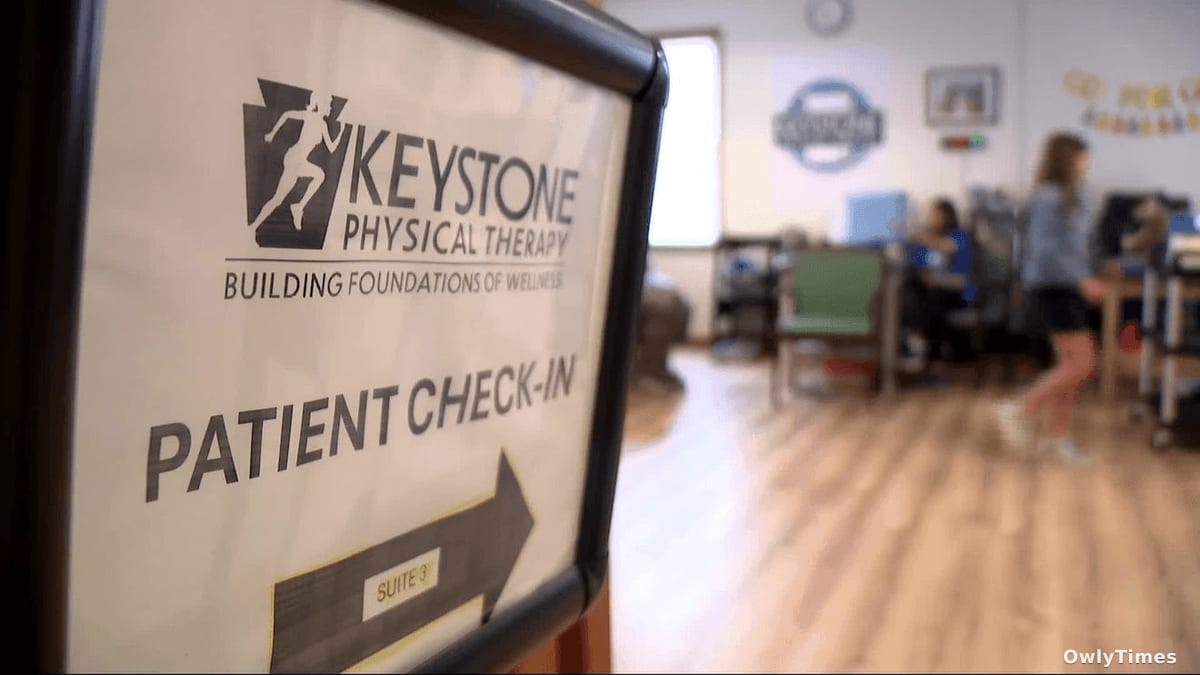
A four-person clinical staff – a 400% increase in just two years – doesn’t typically accompany a ribbon-cutting for a physical therapy clinic. But the expansion of Keystone Physical Therapy LLC in Bedford County, marked by a Thursday morning event at its new location on West Pitt Street, speaks to a broader, and largely overlooked, trend: the localized boom in demand for specialized healthcare services in rural Pennsylvania. While national attention focuses on hospital consolidation and the flight of physicians to urban centers, Bedford County is experiencing a counter-current, driven by demographic shifts and a growing emphasis on preventative and rehabilitative care. Robyn Isgan, owner of Keystone Physical Therapy, now oversees a team of a physical therapist, two physical therapist assistants, and additional clinical staff, a significant jump from her initial solo practice.
The Demographic Pressure Point in Bedford County
Bedford County’s population, currently at approximately 48,300, has seen a modest but consistent increase of 0.8% annually since 2020, according to data from the U.S. Census Bureau. More importantly, the county is aging. The 65+ demographic now represents 22.5% of the population, up from 19.2% in 2020 – a 17.2% increase in that age bracket. This aging population directly correlates with increased demand for physical therapy services, particularly for conditions like back pain, knee pain, and vertigo, all of which Isgan specifically cites as common treatments at Keystone. Nationally, the physical therapy industry is projected to grow by 18% between 2024 and 2034, according to the Bureau of Labor Statistics, but Bedford County’s localized growth appears to be outpacing that national average. The key difference? Bedford doesn’t have the existing infrastructure to absorb that demand without new entrants like Keystone expanding.
This article draws on reporting from wjactv.com.
Beyond Sports Injuries: The Rise of Preventative Rehabilitation
The narrative around physical therapy often centers on sports injuries, but Isgan’s emphasis on treating conditions like vertigo and general back/knee pain reveals a shift towards preventative and rehabilitative care. This is not accidental. The Centers for Medicare & Medicaid Services (CMS) have increasingly incentivized preventative care through reimbursement models, and a growing body of research demonstrates the cost-effectiveness of physical therapy in managing chronic conditions. This creates a financial incentive for both patients and providers to prioritize physical therapy before conditions escalate to the point of requiring more expensive interventions like surgery. Keystone’s one-on-one approach, as highlighted in their business model, is particularly valuable in this context. While larger, corporate-owned physical therapy chains often prioritize volume, Keystone’s model allows for personalized treatment plans tailored to individual needs, potentially leading to better outcomes and reduced long-term healthcare costs.
The “Willingness to Help” Factor: Filling a Critical Gap
Isgan’s statement – “We want to make sure every person is getting what they need, and if that's not through us, you know, we're willing to try and see what we can do to help people” – is deceptively significant. In rural areas, access to specialized healthcare is often fragmented. Patients may face long wait times, limited provider options, or difficulty navigating the healthcare system. Keystone’s commitment to facilitating access to appropriate care, even if it means referring patients elsewhere, positions them as a crucial point of coordination within the Bedford County healthcare ecosystem. This is particularly important given the county’s relatively limited public transportation options, which can create significant barriers to accessing care. The willingness to act as a healthcare navigator, combined with the expansion of clinical staff, suggests Keystone is actively addressing a critical gap in local service provision.
What this means for your wallet: The Cost of Access
The expansion of Keystone Physical Therapy is a positive sign for Bedford County residents, but it also raises questions about affordability. While the demand for services is increasing, the supply of qualified physical therapists remains relatively constrained. This could lead to upward pressure on prices. Consumers should proactively inquire about insurance coverage and out-of-pocket costs before initiating treatment. More importantly, watch for whether Keystone’s success attracts larger, corporate-owned physical therapy chains to Bedford County. While increased competition could potentially drive down prices, it could also lead to a shift towards volume-based care, potentially compromising the personalized approach that currently distinguishes Keystone. The key question for Bedford County residents is: will the expansion of healthcare access come at the cost of individualized care and affordability?