
Beyond Subsidies: A Rural Healthcare Access Debate in Western North Carolina
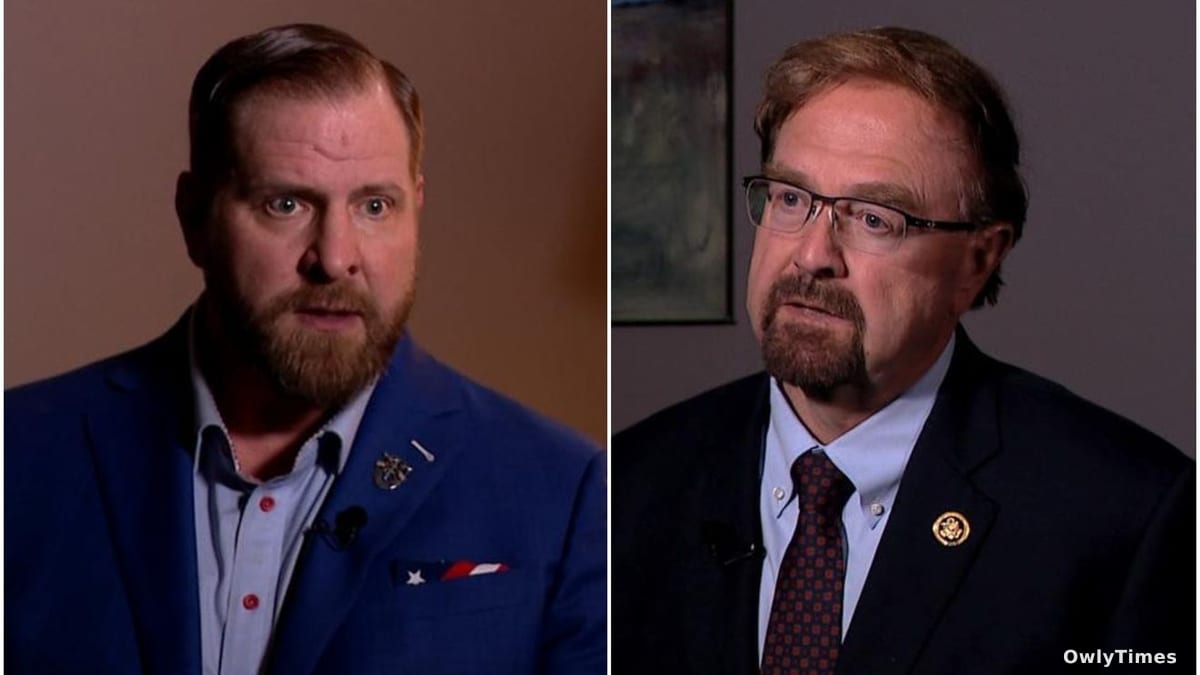
The upcoming primary election in North Carolina’s 11th congressional district isn’t simply a contest between incumbent Chuck Edwards and challenger Adam Smith; it’s a microcosm of the ongoing, and often obscured, tension between ideological purity and pragmatic solutions to a deeply fractured healthcare system. While national headlines focus on broad debates over the Affordable Care Act (ACA), the specific exchange between these candidates reveals a more nuanced struggle: how to address healthcare access in a region demonstrably underserved, and whether direct financial assistance or systemic reform offers a more viable path forward. The core disagreement isn’t if healthcare needs fixing, but how, and the implications of that “how” are particularly acute for western North Carolina.
The Case Against Intervention: Smith’s Focus on Market Forces
Adam Smith’s position on healthcare is rooted in a conviction that federal intervention, specifically through ACA subsidies, actively worsens the problem of rising costs. He frames these subsidies not as consumer relief, but as a distortion of the market, allowing insurance companies to inflate prices knowing the government will foot the bill. This isn’t a novel argument – concerns about moral hazard and the unintended consequences of subsidies have been raised since the ACA’s inception – but Smith’s emphasis on “bloated subsidies” and the potential for private industry to “profit…while relying on taxpayer dollars” is particularly pointed. He proposes a direct-to-consumer approach, channeling financial assistance directly to individuals to empower them in a competitive marketplace. The logic is straightforward: increased consumer purchasing power, coupled with reduced reliance on insurers, will drive down costs through competition. However, this model assumes a functioning, competitive market exists – a condition not necessarily met in many rural areas, including parts of western North Carolina, where provider consolidation and limited options are the norm.
This piece references the wlos.com report.
Edwards’ Call for Systemic Adjustments and Regional Focus
Chuck Edwards’ response offers a different diagnosis. He doesn’t explicitly defend or condemn the ACA subsidies, instead focusing on the need to “restructure” the system through regulatory reform and increased transparency. This is a strategically different approach, sidestepping the highly polarized debate over the ACA itself and focusing on areas where bipartisan agreement might be possible. His emphasis on reducing regulation to “incentivize more providers” directly addresses a critical issue in western North Carolina: access. The region faces documented shortages of healthcare professionals, leaving residents with limited choices and potentially delayed care. Edwards argues that a more streamlined regulatory environment will attract providers, expanding access and, by extension, increasing competition. He also rightly points out the limitations of a “one-size-fits-all” approach, suggesting plans should be tailored to individual and family needs. This resonates with the reality of rural healthcare, where unique demographic and geographic factors demand customized solutions.
What the Candidates’ Positions Reveal About Rural Healthcare Realities
The contrast between Smith and Edwards isn’t simply ideological; it reflects a fundamental disagreement about the root causes of healthcare challenges in rural areas. Smith’s market-based solution assumes that removing government interference will unleash competitive forces, benefiting consumers. This assumes consumers have choices, and that those choices are affordable. Edwards, on the other hand, acknowledges the existing barriers to access – the lack of providers – and proposes addressing those barriers directly through regulatory changes. It’s worth noting that both candidates’ proposals, while distinct, aren’t mutually exclusive. Increased transparency and reduced regulation could theoretically complement a direct-to-consumer assistance model. However, the candidates haven’t articulated how these approaches would integrate. The current framing presents voters with a choice between fundamentally different philosophies, rather than a comprehensive plan.
Limitations to Consider and Future Research Directions
It’s crucial to acknowledge the limitations of drawing broad conclusions from a single campaign exchange. Both candidates’ statements are, by necessity, concise and focused on appealing to primary voters. A deeper dive into their specific policy proposals would be necessary to fully assess their potential impact. Furthermore, the effectiveness of either approach – direct subsidies or regulatory reform – is contingent on a complex interplay of factors, including state-level policies, insurance market dynamics, and the evolving needs of the population. Looking ahead, research should focus on quantifying the impact of specific regulatory changes on provider recruitment in rural areas. Simultaneously, studies are needed to assess the effectiveness of direct-to-consumer assistance programs in markets with limited competition. Specifically, will direct payments truly empower consumers, or simply inflate prices in the absence of viable alternatives? The outcome of this primary, and the subsequent implementation of the winning candidate’s vision, will serve as a real-world experiment with significant implications for healthcare access in western North Carolina and beyond.





