
The Quiet Metric of Rural Healthcare Leadership: Why Ann Quillen’s Departure Matters
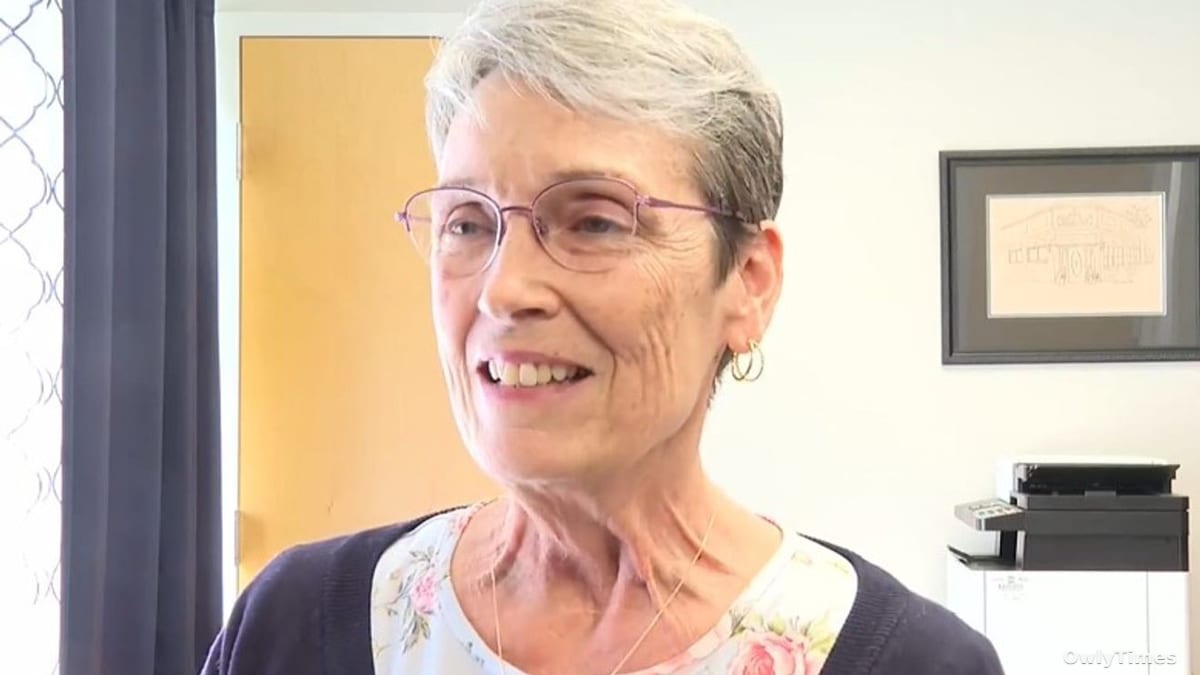
The announcement that Ann Quillen will step down as health director of the Ohio Valley Health Center on June 30th isn’t simply a personnel change; it’s a signal of a broader, often overlooked, challenge in rural healthcare: sustaining leadership. While national attention focuses on hospital closures and physician shortages, the consistent, dedicated work of administrators like Quillen – individuals who build trust, secure funding, and navigate complex community needs – frequently goes unacknowledged. Her decision to leave a demonstrably “healthy” clinic, as she describes it, isn’t a sign of failure, but a deliberate act of strategic foresight, and one that deserves closer examination. It raises the question: what conditions allow for graceful transitions of leadership in communities where institutional memory is a vital resource?
This article draws on reporting from wtov9.com.
Quillen’s tenure began in 2008, with a return engagement in 2020 specifically requested during the COVID-19 pandemic. This isn’t a story of someone simply fulfilling a job description. The fact that she was asked back during a period of national crisis speaks to a deep level of community trust and a recognized ability to stabilize a critical resource. Her stated enjoyment of “sharing patient stories and providing treatment plans” reveals a commitment extending beyond administrative duties – a willingness to connect directly with the individuals the clinic serves. This is particularly crucial in smaller communities where the lines between professional and personal relationships are often blurred, and a director’s visibility directly impacts patient confidence. The clinic’s current stability – “funding is in place, and the center has a wonderful team of providers” – isn’t accidental; it’s the result of thirteen years of focused effort.
Beyond Grant Writing: The Multifaceted Role of a Rural Health Director
The official description of the open position – “writing grants, raising funds, and communicating the clinic’s story” – feels almost reductive given the context of Quillen’s leadership. While these tasks are undeniably essential, they represent only the visible portion of the job. Successful rural health administration requires a nuanced understanding of local politics, a sensitivity to cultural norms, and the ability to advocate for a population often marginalized in broader healthcare policy discussions. The Ohio Valley, like many Appalachian regions, faces unique health challenges – higher rates of chronic disease, limited access to specialists, and a historical distrust of medical institutions. Building a clinic that patients want to use, not just one that exists, demands a skillset far beyond financial management.
Dr. Charn Nandra, the clinic’s medical director, highlights the importance of finding a candidate who is “community oriented and compassionate,” someone who understands “the needs of the patients” and will treat them “with respect and dignity.” This isn’t simply about bedside manner; it’s about recognizing the social determinants of health – factors like poverty, housing instability, and food insecurity – that profoundly impact patient outcomes. A director lacking this awareness will struggle to secure the necessary resources and build the collaborative relationships needed to address these complex issues. The emphasis on a candidate who feels like a “part of the staff” also suggests a desire to maintain the clinic’s existing culture, a valuable asset in a region where continuity of care is paramount.
The Risk of “Fresh Ideas” Without Institutional Knowledge
Quillen’s rationale for stepping down – “Good leadership means knowing when it's time to step down and let someone else come in with fresh ideas and new energy” – is a sentiment often lauded in business literature, but it carries a particular risk in the context of rural healthcare. “Fresh ideas” are valuable, but they must be grounded in a deep understanding of the community’s history, needs, and existing resources. A new director unfamiliar with the Ohio Valley’s specific challenges could easily implement initiatives that are well-intentioned but ultimately ineffective, or even detrimental. The six-month transition period, during which Quillen will work alongside her successor, is a crucial safeguard against this outcome. It provides an opportunity to transfer institutional knowledge and ensure a smooth handover of responsibilities.
What Happens After June 30th? A Question of Succession Planning
The Ohio Valley Health Center’s search for a new director is a microcosm of a larger problem facing rural healthcare systems nationwide. There’s a growing need for proactive succession planning – identifying and mentoring future leaders before current administrators reach retirement age or decide to move on. This requires investment in leadership development programs, opportunities for cross-training, and a commitment to fostering a culture of mentorship within the organization. The clinic’s success in attracting a qualified candidate will likely depend not only on the salary and benefits offered, but also on its ability to demonstrate a strong commitment to supporting the new director’s professional growth and integrating them into the community. The question now isn’t just who will lead the Ohio Valley Health Center, but how will the clinic ensure a sustainable future for its leadership, and by extension, for the health of the community it serves? Will the next director prioritize deepening existing community ties, or will they pursue a more radical restructuring of services? That trajectory will be worth watching closely.