
Is it possible for a city’s most vibrant celebration of freedom to be dismantled in an instant by a single, violent malfunction of infrastructure? When we look at the integration of massive public gatherings and urban safety, we often treat security as an invisible background process—like the operating system on your phone that you only notice when it crashes.
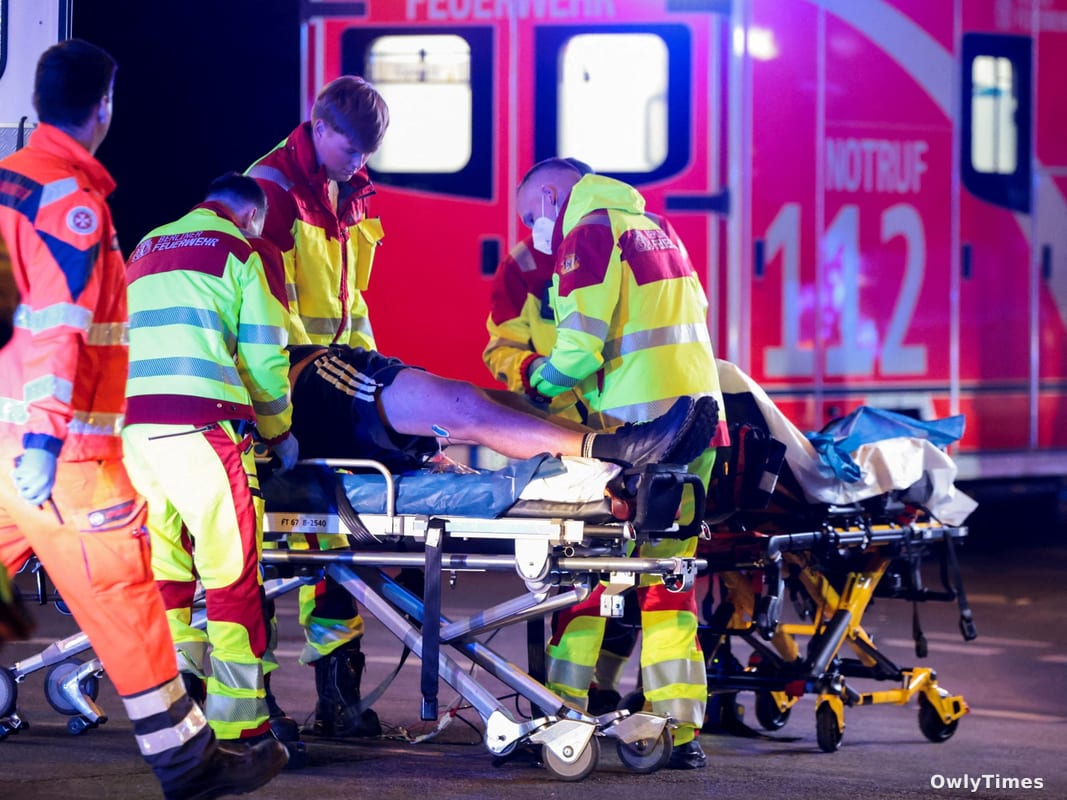
The real story here isn’t just the tragedy at Berlin’s Christopher Street Day parade; it’s how quickly a peaceful, open-source celebration of identity was forced into a hard reboot by a targeted act of violence. On Saturday, July 25, 2026, a white van drove into a crowd in Berlin’s Tiergarten park, near the route of the city’s massive LGBTQ+ pride march, before colliding with a tree. According to Al Jazeera, one person has died, and while police initially reported 16 injuries, The Independent later updated the figure to at least 17 wounded.
The confusion in the immediate aftermath highlights the friction between real-time emergency response and verified information. While ABC News reported that police called off the event shortly after the incident without providing specific details, CBS News confirmed that the cancellation occurred around 10:15 p.m. local time, interrupting a live band performance at the Brandenburg Gate. The disparity in reporting the number of victims—16 versus 17—serves as a grim reminder that during a chaotic event, even official sources are often piecing together a mosaic of data in real-time.
Beyond the numbers, the investigation has taken a sharp turn. Al Jazeera and CBS News both report that police spokesperson Florian Nath confirmed the suspect is a Berlin local known to authorities for his ties to “Islamic circles.” The Independent adds a chilling layer of detail: authorities have now issued a wanted notice for a 21-year-old identified as Abdul B. and are investigating reports that some victims may have suffered stab wounds in addition to the injuries caused by the vehicle.
The scale of the security failure is notable given the resources deployed. According to Al Jazeera and The Independent, more than 2,200 police officers were on duty to protect the parade, which featured roughly 80 floats. For the average attendee, like Julian Miethig, who spoke to CBS News, the shift from a celebratory atmosphere to an emergency zone felt like a sudden, jarring disconnect from the safety they assumed was guaranteed.
German Chancellor Friedrich Merz and Berlin Mayor Kai Wegner have both publicly condemned the act, with Wegner framing it as an attack on a “free and cosmopolitan society.” As investigators continue to sift through the digital and physical evidence, the next major hurdle for the city is the apprehension of the suspect. The authorities have explicitly warned the public to avoid direct contact with Abdul B., signaling that the immediate security threat remains active until the fugitive is in custody.