
A Foot of Snow, and a Billion-Dollar Question for the Northeast Corridor
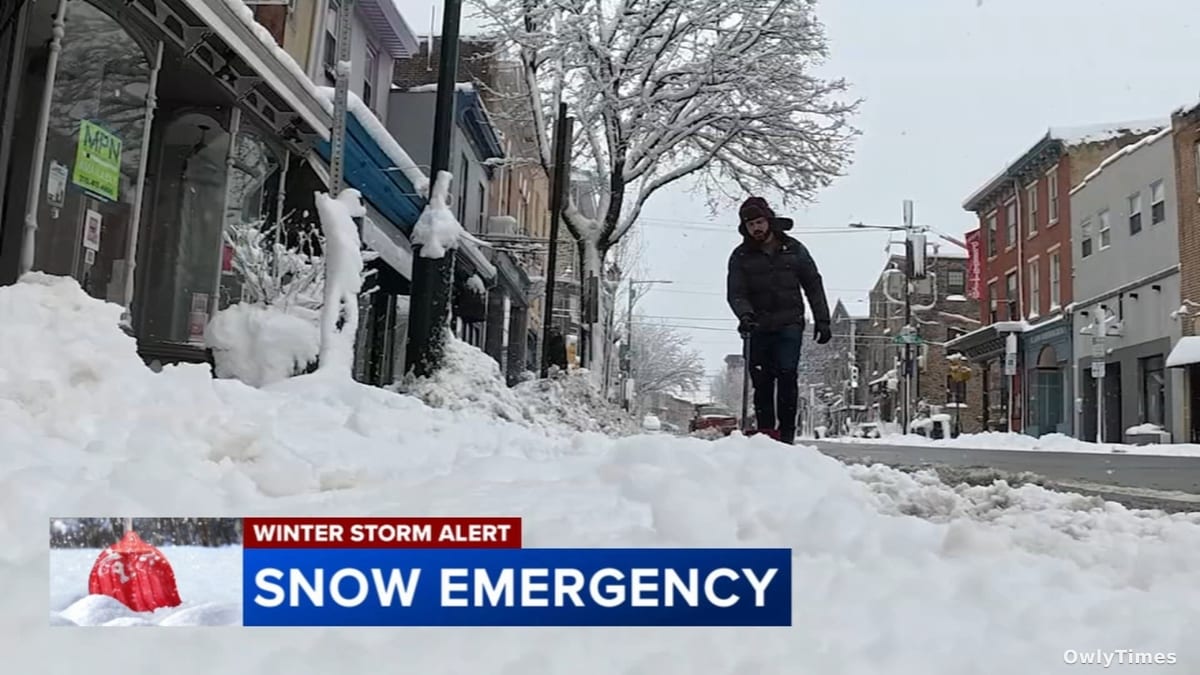
$1.2 billion. That’s the estimated daily economic impact of a major winter storm on the Philadelphia-New York-Boston corridor, according to a 2022 study by the Northeast Corridor Infrastructure Council – and the region just experienced one. While headlines focus on snow totals exceeding a foot in Atlantic City and ongoing “Snow Emergencies” in Philadelphia as of February 23, 2026, the real story isn’t the disruption itself, but the escalating cost of managing disruption in a region increasingly vulnerable to extreme weather. This storm, while significant, isn’t an outlier; it’s a data point in a rapidly accelerating trend that demands a reevaluation of infrastructure investment and risk assessment.
Drawn from 6abc.com.
The Rising Cost of “Normal” Winter Weather
The current storm follows a pattern of increasingly frequent and intense winter events. Comparing this February 2026 storm to the January 2022 blizzard that paralyzed the same region reveals a concerning shift. The 2022 storm, while dropping comparable snowfall amounts, triggered an estimated $2.8 billion in economic losses over three days. Preliminary estimates suggest this week’s impact could approach that figure, despite improved preparedness measures. This isn’t necessarily a failure of those measures, but a signal that the baseline for “normal” winter weather is shifting upwards in terms of severity and frequency. AccuWeather’s warning of a refreeze tonight isn’t just about treacherous roads; it’s about extending the economic downtime, adding to the mounting costs of lost productivity, delayed supply chains, and emergency response. The fact that a “Snow Emergency” remains in effect for Philadelphia four hours after initial snowfall underscores the challenge.
Beyond Snowplows: The Hidden Costs in Delaware and Beyond
The impact extends beyond major metropolitan areas. Delaware’s ongoing cleanup efforts, reported just one hour ago, highlight the vulnerability of smaller economies reliant on regional transportation networks. While the immediate costs are visible – road clearing, power restoration – the ripple effects are less so. Consider the trucking industry, responsible for roughly 70% of freight movement in the Northeast. A single day of road closures can create bottlenecks that take weeks to resolve, impacting everything from grocery store shelves to manufacturing output. The incident at the Coast Guard Training Center Cape May, where a swastika was found in a bathroom amidst the storm response, adds a layer of complexity, diverting resources and raising questions about security protocols during emergency situations. This isn’t simply a matter of vandalism; it’s a demonstration of how societal tensions can be exacerbated during periods of stress and disruption.
Infrastructure Investment vs. Reactive Spending
The focus consistently returns to reactive spending – emergency declarations, snow removal contracts, overtime pay for public works employees. While necessary, this approach is demonstrably less cost-effective than proactive investment in resilient infrastructure. The Northeast Corridor Infrastructure Council’s 2022 report specifically advocated for upgrades to power grids, transportation networks, and stormwater management systems to mitigate the impact of extreme weather events. Yet, funding allocations have largely favored short-term fixes over long-term solutions. The current storm, and the likely billion-dollar economic hit it will deliver, should serve as a stark reminder that every dollar spent on reactive measures is a dollar not spent on preventing the damage in the first place. Leland Pinder’s reporting from WPVI-TV consistently highlights the immediate impacts, but the larger financial narrative is one of escalating risk and insufficient preventative action.
What this means for your wallet: The Price of Preparedness
The immediate impact for consumers is clear: potential delays in deliveries, increased heating costs due to power outages, and disruptions to daily routines. But the long-term consequences are more insidious. The continued reliance on reactive spending will inevitably lead to higher taxes and insurance premiums. More importantly, it will stifle economic growth by creating an environment of uncertainty and vulnerability. The question investors should be asking isn’t if another storm like this will hit, but when – and whether regional governments will finally prioritize proactive infrastructure investment over perpetually cleaning up the mess. Watch for the upcoming budget proposals in Pennsylvania, New Jersey, Delaware, and New York; are they allocating significant funds to climate resilience, or simply budgeting for more snowplows? The answer will tell you a lot about the future economic health of the Northeast Corridor.