
Can we really claim to be masters of our environment when a stiff breeze and a dry patch of brush can effectively bring an entire nation’s infrastructure to a standstill? We treat the climate crisis like a distant, abstract forecast, but the reality is that our modern systems—from the high-speed logistics of elite sport to the basic safety of our homes—are far more brittle than we’d like to admit.
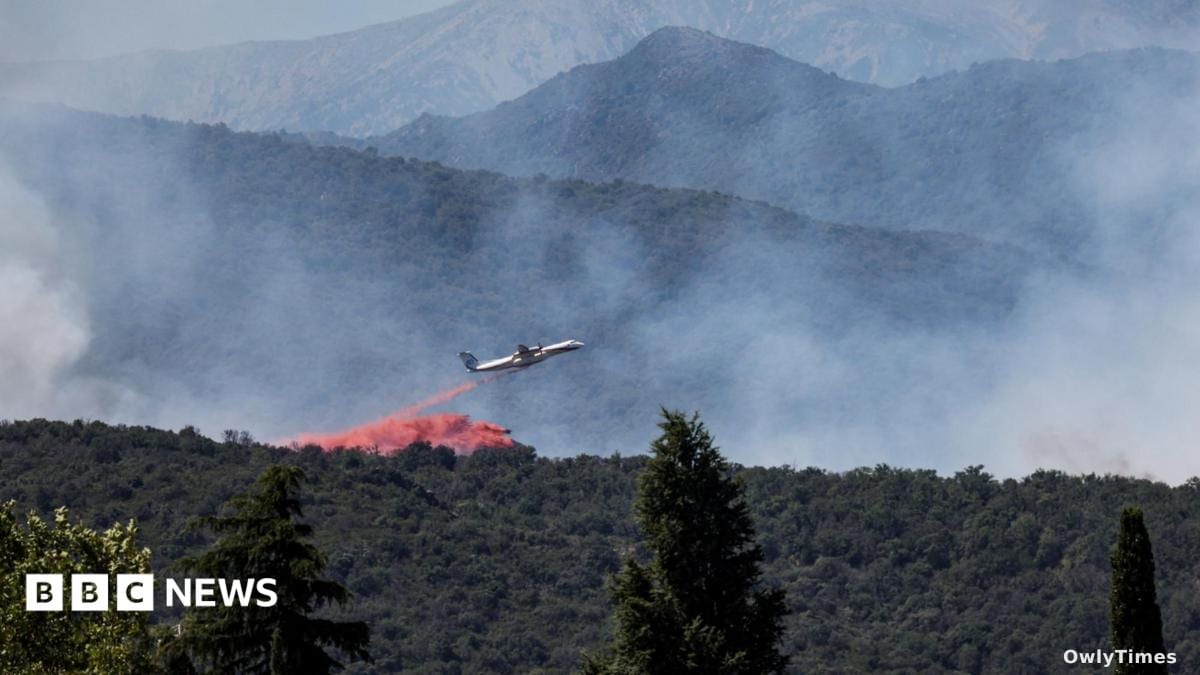
The real story here isn't the disruption of a bike race; it’s the dangerous intersection of ecological volatility and human hubris. As the BBC and The Independent confirm, a massive wildfire in the French Pyrenees has forced the evacuation of over 10,000 people across more than a dozen towns and villages. The fire, centered near Trévillach, has scorched approximately 4,600 hectares of land. While the reports are largely aligned on the scale of the human displacement, The Independent adds a layer of grim detail: the blaze has already resulted in 16 injuries, including four firefighters, underscoring that this is a crisis of immediate physical safety, not just property loss.
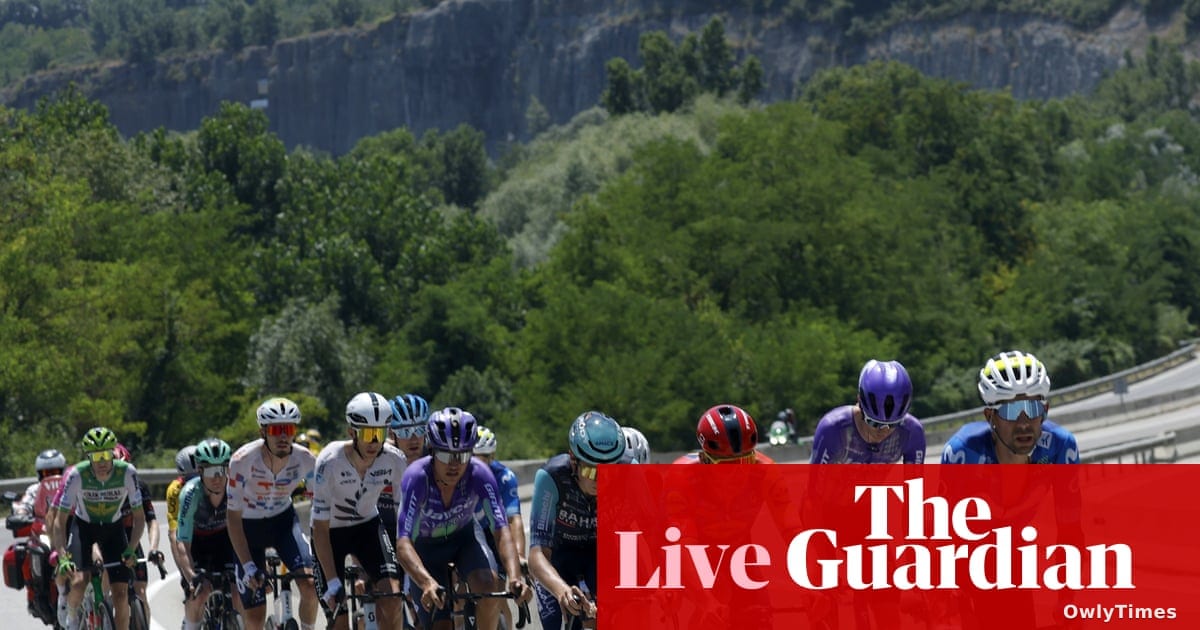
For those watching the Tour de France, the wildfire serves as an intrusive reminder that the natural world doesn't pause for entertainment. Race officials were forced to ban spectators from the conclusion of the third stage on Monday to ensure emergency vehicles could reach the front lines. Race director Christian Prudhomme described the situation as "exceptional," leading to a strict limitation on the race’s iconic motorcade. It’s a sobering contrast to the typical pageantry of the sport, where the focus is usually on the raw physical power of athletes like 19-year-old rising star Paul Seixas, as detailed in The Guardian. While cycling fans debate the merits of a new French champion, those in the Pyrenees-Orientales region are left debating how to contain a landscape that has become a tinderbox.
The technical reality behind these fires is just as unforgiving as the wind. According to the Copernicus Climate Service cited by the BBC, Europe is warming at twice the global average. This isn't just "hot weather"—it's a fundamental shift in the regional baseline that makes extreme events the new standard. The Independent further notes that the European Union has had to mobilize cross-border support, dispatching four water-bombing aircraft from Cyprus and Sweden to assist the local effort. If you need a real-world analogy, think of it like a computer processor running at 200% capacity; eventually, the cooling systems fail, and the whole machine starts to melt down.
The human element, however, remains as unpredictable as ever. The Independent reports that police have arrested a contractor employee suspected of sparking the blaze with an angle grinder. It is a stark reminder that in a landscape already parched by record-breaking heatwaves—which saw temperatures climb above 40C—a single spark is all it takes to overwhelm the most sophisticated emergency response networks.
As for what happens next, we are looking at a week of high-stakes atmospheric tension. With temperatures in southwest France forecast to hit 40C (104F) again this week, the primary indicator to watch is the stability of the wind. Local authorities have warned that strong gusts could continue to fan the flames, making the full containment of the Trévillach fire the single most important metric for the region in the coming days. Until the winds shift or a significant weather front moves in, the "exceptional measures" currently in place are likely to become the standard operating procedure.