
The orc statue at the heart of Blizzard Entertainment’s Irvine campus seems to stand a little straighter these days, a silent sentinel overseeing a company attempting a delicate rebuild. It’s not just the impending 35th anniversary prompting the subtle shift in posture; it’s the weight of recent history, and the ambitious climb ahead. Johanna Faries, newly appointed president, sat in her office on January 20th and told Variety the announcements coming the following week were “the amalgamation of so much hard work and collaboration.” But beneath the carefully crafted messaging lies a story far more complex than a simple celebration of milestones – it’s a reckoning with a fraught past, a gamble on a Microsoft-owned future, and a desperate attempt to recapture the magic that made Blizzard a cultural force.
For a company synonymous with immersive worlds and devoted fans, Blizzard has spent the last several years battling a very real-world crisis of confidence. The shadow of a $35 million settlement over allegations of widespread misconduct, coupled with a long-standing “frat boy” workplace culture, has undeniably tarnished the brand. This isn’t just a PR headache; it’s a fundamental challenge to the very identity Blizzard has cultivated. How do you sell escapism when the reality behind the curtain is deeply unsettling? Faries, arriving from Activision and the NFL, represents a deliberate attempt to steer the ship away from those troubled waters, but the currents are strong. Her background, steeped in the highly commercialized worlds of sports and Call of Duty, raises questions about whether she can truly understand – and champion – the artistic soul of Blizzard.
Reporting from variety.com informs this analysis.
The “Showcase” presentations – the rebranding of “Overwatch 2” to simply “Overwatch,” the expansion of in-game housing in “World of Warcraft,” and plans for “Diablo’s” 30th anniversary – weren’t the finish line, Faries insists, but the starting gun for a larger race. The real test comes this September with the return of BlizzCon, the first iteration under Microsoft’s ownership after a two-year hiatus. This isn’t just about unveiling new content; it’s about demonstrating that Blizzard can still feel like Blizzard, that the creative spark hasn’t been extinguished by corporate restructuring and legal battles. The fact that much of the “Showcase” material was originally slated for BlizzCon speaks volumes – it’s a strategic pre-emptive strike, a way to build momentum and manage expectations before the main event.
But the shadow of Phil Spencer’s departure as Microsoft Gaming CEO, and the arrival of Asha Sharma from CoreAI, adds another layer of uncertainty. Consistency is paramount in the gaming world, and a leadership shift at the parent company inevitably raises concerns about shifting priorities. Faries is acutely aware of this, emphasizing the importance of nurturing Blizzard’s homegrown talent – the “icons and leaders in the artist community” who, she believes, are the key to maintaining the “Blizzard polish” that fans demand. This isn’t just about protecting intellectual property; it’s about preserving a unique creative DNA. The company is actively working to recruit and train the next generation of artists, recognizing that its legacy depends on it.
Beyond the games themselves, Faries envisions a broader “Blizzard Entertainment” – one that extends beyond the screen and into film, television, and music. The ambition is to tap into new audiences and expand the reach of its beloved IPs. The timing is particularly interesting given the recent struggles of “Highguard,” a competitor to “Overwatch,” which launched just as Blizzard announced its revamped roadmap. While Faries rightly points to competition as a healthy motivator, the contrast is stark: “Overwatch’s” ambitious narrative expansion generating positive buzz, while “Highguard” flounders. This isn’t simply luck; it’s a testament to the power of established franchises and the enduring appeal of Blizzard’s world-building.
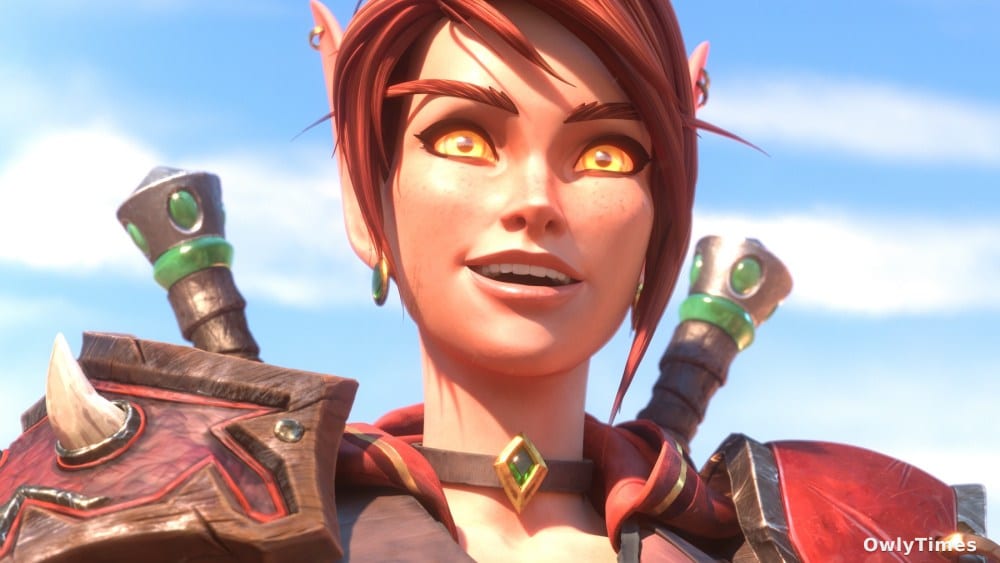
The “Overwatch” team, led by general manager Walter Kong, is betting big on storytelling, recognizing that fans crave deeper engagement with the characters and lore they’ve come to love. The cinematic trailer released alongside the update has already sparked conversations about a potential TV or film adaptation, a testament to the franchise’s cultural resonance. Similarly, the “Diablo IV” team, under executive producer Gavian Whishaw, is focusing on granular improvements and responding directly to player feedback, adding a much-requested “skill tree” to the paladin class and retroactively updating other classes as well. This iterative approach, prioritizing player agency and community engagement, is a crucial step in rebuilding trust.
But perhaps the most telling example of Blizzard’s attempt to balance innovation with tradition comes from the “World of Warcraft” team, led by executive producer Holly Longdale. The long-awaited housing update, initially hampered by bugs that allowed players to make their houses float, was ultimately embraced by the developers. Instead of patching the glitch, they allowed it to remain, recognizing that players were having fun and creating unique experiences. This willingness to embrace player creativity, even when it defies design intentions, speaks to a fundamental shift in mindset – a recognition that the community is an integral part of the “WoW” experience.
Faries confidently asserts that Blizzard has “the best IP in entertainment,” but that claim will only hold weight if the company can deliver on its promises. The next 35 years won’t be defined by nostalgia, but by innovation, inclusivity, and a genuine commitment to its fans. The question isn’t just whether Blizzard can survive under Microsoft’s ownership, but whether it can rediscover its soul and once again become a beacon of creativity in a rapidly evolving industry. Will BlizzCon 2026 be a triumphant return to form, or a carefully orchestrated illusion masking deeper problems? That’s the question everyone – from Irvine to Redmond – is anxiously waiting to answer.